language
  Español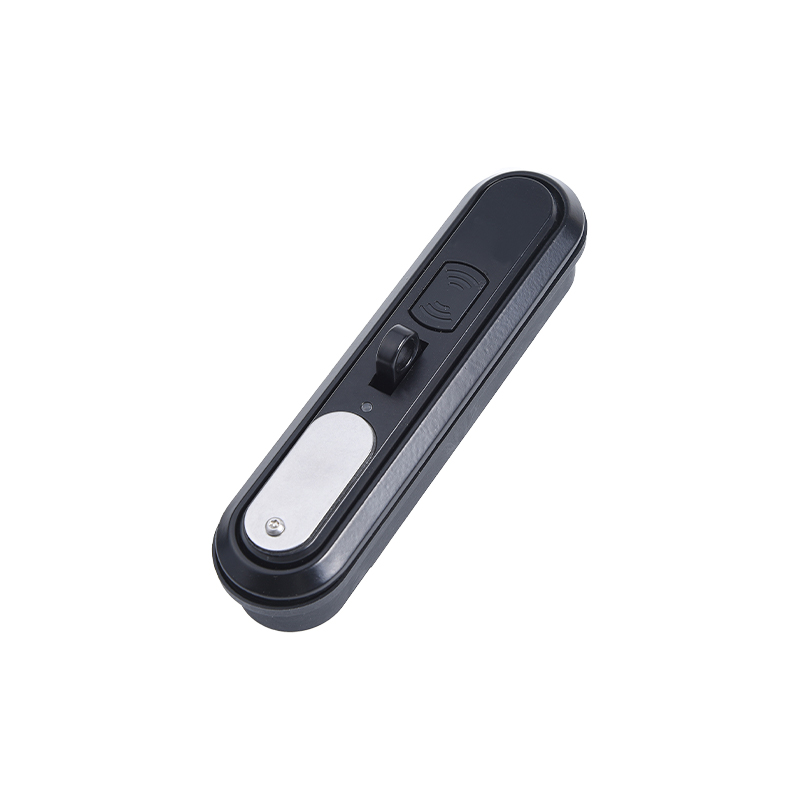

A field service engineer arrived at an outdoor communication cabinet with an electronic door lock that had been installed three weeks earlier. The lock had a mobile app, a fingerprint reader, and a polished housing. What it did not have was a mechanical override the engineer could use on his own; the manager who held the emergency credential was two hours away. The cabinet stayed locked for the rest of the day.
That failure was avoidable. Electronic door locks for industrial enclosures are specified differently from residential smart locks, and the difference shows up before anyone compares app features. The evaluation should start with the lock's operating architecture, then move to access methods, environmental protection, and mechanical integration. This article explains those four areas and closes with a checklist you can use before placing an order.
The First Decision: Active or Passive Electronic Door Locks
Choose the lock architecture first. Every other specification — access methods, connectivity, event logging, and power consumption — depends on whether the lock is active or passive.
Active Electronic Locks
An active electronic door lock carries its own power supply and control electronics. Because it is powered continuously, the lock can be programmed directly, connected to a management platform, and configured for functions such as mobile app unlocking, remote wireless unlocking, and WeChat-based temporary authorization. It can also log opening events and respond to commands in real time, which suits cabinets where access rights change frequently or where an audit trail is required.
Active locks make sense when the enclosure has a reliable power source and you need centralized control over every door. The DS7126 active electronic lock with electronic key unlocking is a straightforward example: it provides electronic credential verification while keeping a key-based workflow that technicians already understand.
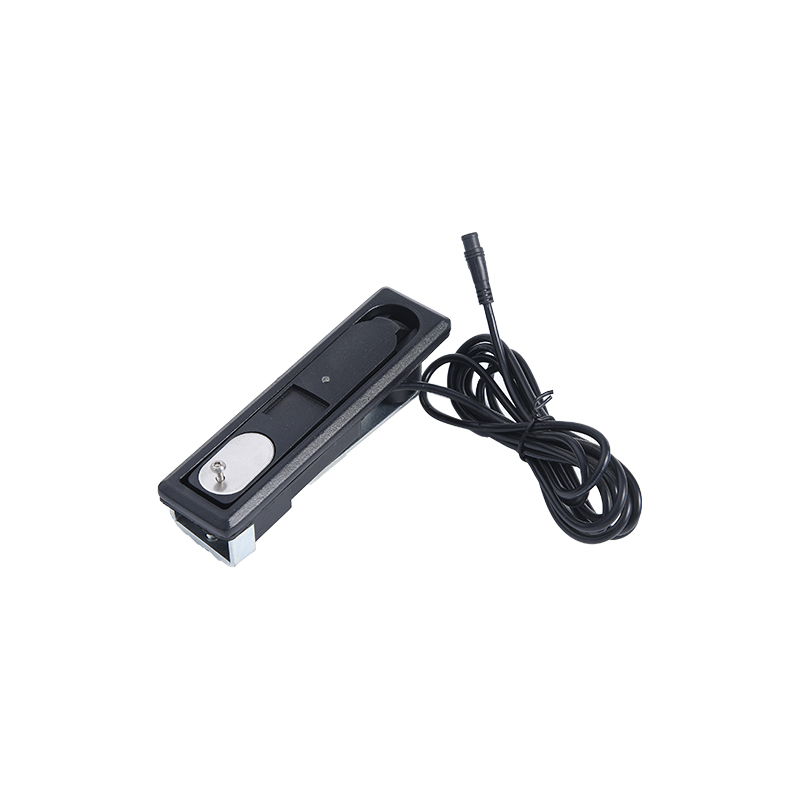 Wholesale DS712-6 Electronic Key UnLock Active Electronic Locks Factory, SupplieNingbo Oubao Technology Co., Ltd is top China wholesale DS712-6 Electronic Key UnLock Active Electronic Locks suppliers and factory,Elect...View Product →
Once a lock carries its own power and connectivity, the way access rights are managed changes. Our review of active electronic lock implementation describes how that shift affects security procedures and daily operations.
Passive Electronic Locks
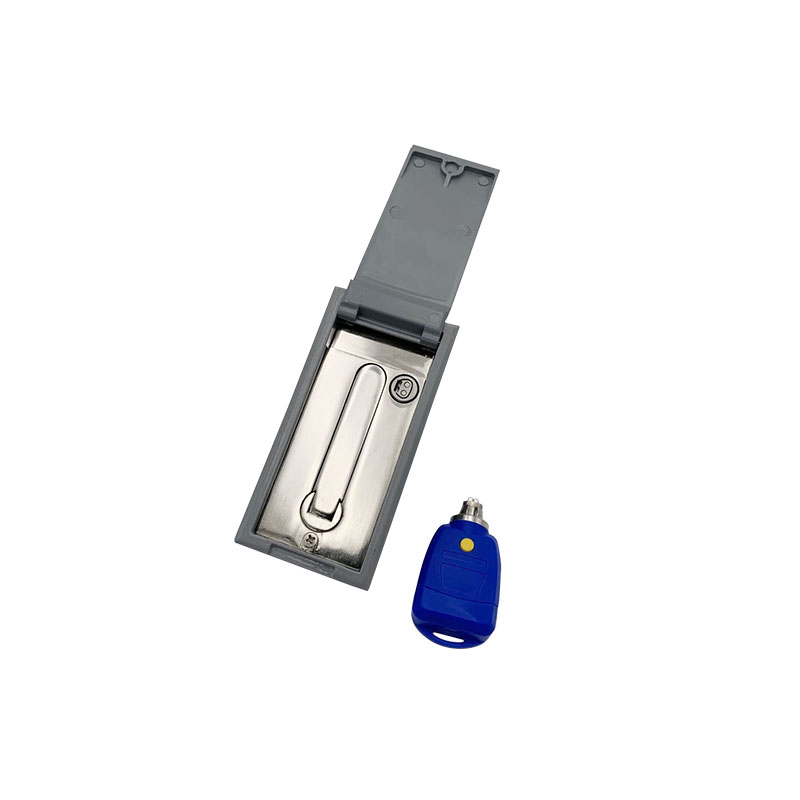
A passive electronic door lock has no built-in power source. The electronic key supplies power when inserted, the lock verifies the credential, and the latch releases. There is no wiring, no battery in the lock, and no standby current — three factors that make passive locks attractive for retrofit projects, distributed outdoor sites, and cabinets where running power to every door is impractical.
Maintenance is simpler as well. The electronic key is the only powered element, and issuing a spare key does not require touching the lock. The DS7052M passive electronic lock with electronic key unlock is a typical implementation: compact, installable into standard cutouts, and free of the wiring work an active system requires.
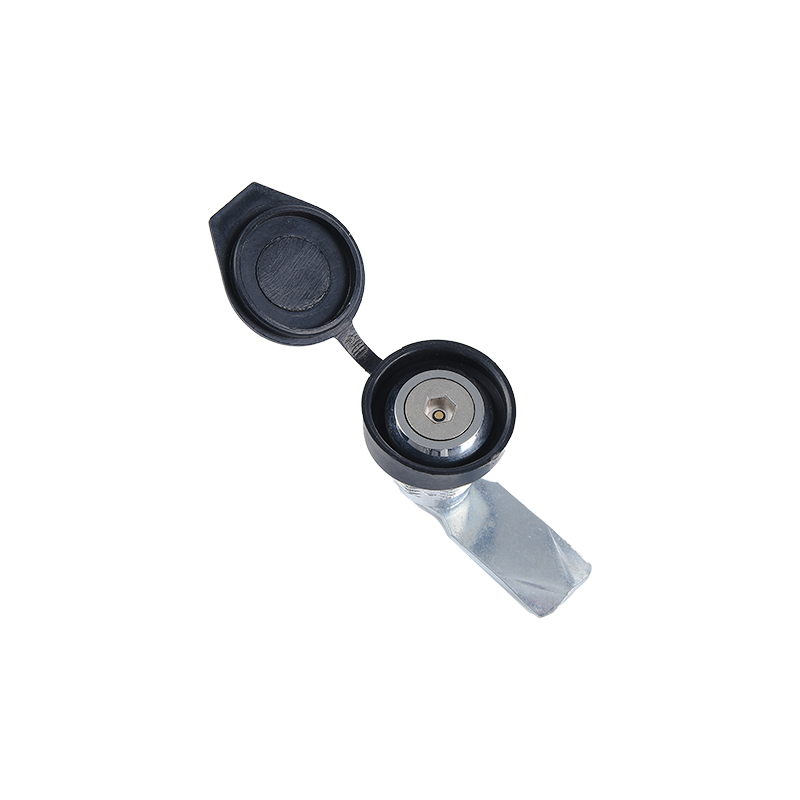 Wholesale DS705-2M Passive Electronic Locks With Electronic Key UnLock Factory, Ningbo Oubao Technology Co., Ltd is top China wholesale DS705-2M Passive Electronic Locks With Electronic Key UnLock suppliers and factory,View Product →
In short, choose active locks when power and centralized management are available; choose passive locks when installation cost, field reliability, and simple credential distribution matter more.
Match Access Methods to How Your Team Actually Works
With the architecture fixed, the next question is how people will open the door in daily operation. Industrial environments typically need several access paths:
- Electronic key. One key can be issued to multiple technicians and programmed to open a defined group of locks. Useful when the same crew services the same cabinets on a regular route.
- QR code. A temporary code can be generated for a contractor, inspector, or delivery driver and allowed to expire. No physical key to recover, no credential to revoke later.
- Mobile app and remote unlock. A manager can grant access from another building or another city, revoke it immediately, and review opening history.
- Bluetooth copper key or mechanical override. A backup path that works without software, without power, and without a network connection. Every electronic lock specification should include one.
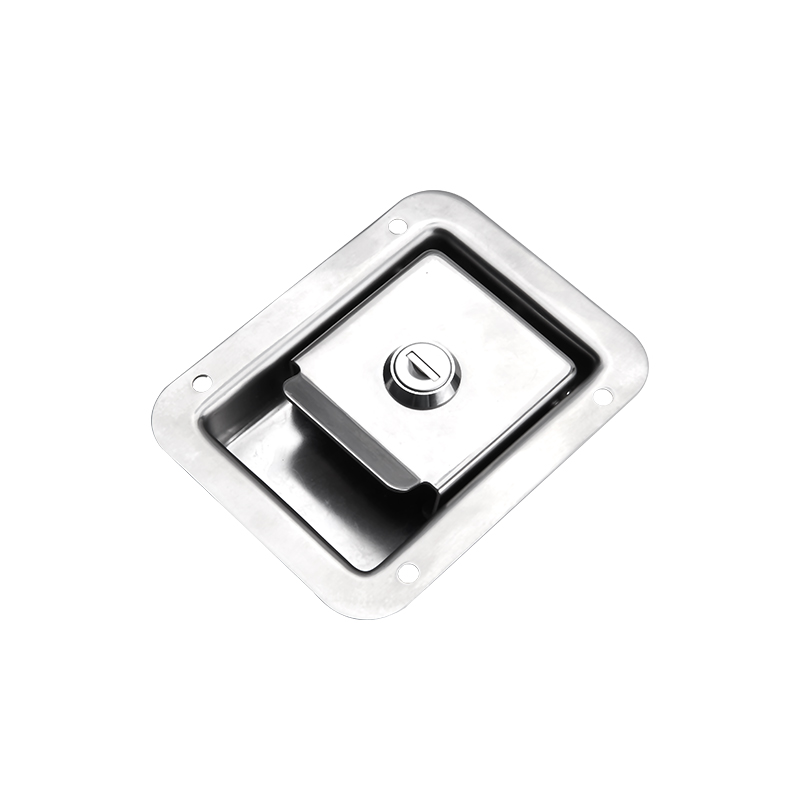
The DS8642P active electronic lock with multiple unlocking methods combines several of these options in one housing, which helps when a single cabinet type serves different teams with different workflows. For a deeper view of how mechanical backup interacts with electronic control, our white-paper-level review of mechanical security in industrial access control provides a useful risk framework.
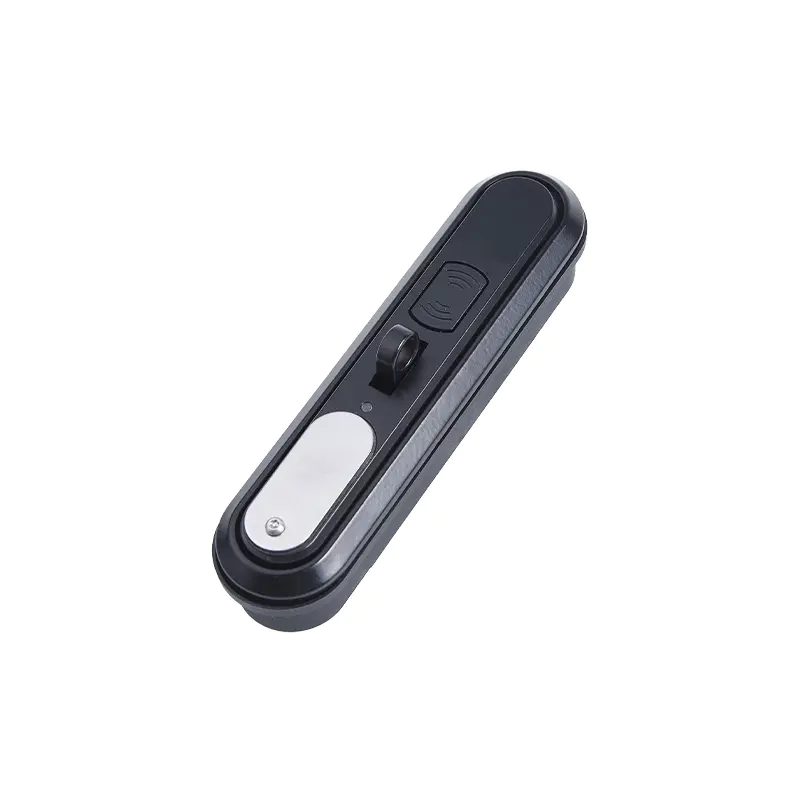 Wholesale DS864-2P Active Electronic Locks With Multiple Unlocking Methods FactoNingbo Oubao Technology Co., Ltd is top China wholesale DS864-2P Active Electronic Locks With Multiple Unlocking Methods suppliers and fa...View Product →
Environmental Durability Is a Specification, Not an Upgrade
Industrial electronic door locks see conditions that residential locks never encounter: wide temperature swings, condensation, dust, salt-laden air, and direct rain splash. Moisture entering the housing is the most common failure cause, followed by corrosion of the latch mechanism.
Start with sealing. A waterproof box-type design with gaskets on every seam is the minimum for outdoor cabinets, and a protective cover or recessed installation keeps water away from the keyhole and electronics. Design expectations for this product class are examined in our review of SUS304 waterproof box-type transformer lock standards.
Material selection is just as important. SUS304 and SUS316 stainless steel resist rust in coastal and chemically aggressive environments, while zinc alloy bodies with a quality plating finish are adequate for dry indoor equipment rooms. Specifying a painted carbon steel lock for an outdoor cabinet usually means planning a replacement within a year.
Mechanical Integration: The Part Residential Reviews Ignore
An electronic door lock does not work alone on an industrial enclosure. It shares the door with hinges, a handle, possibly a connecting rod, and often a multi-point latching system. If the lock does not match the door construction, the installation fails even when the electronics are perfect.
Verify three mechanical details before committing to a model:
- Door thickness and mounting cutout. Cabinet doors are built from 1.5 to 3 mm sheet metal, not the 35 to 45 mm solid wood of a residential door. Lock body depth, cam length, and screw positions must match the actual panel.
- Three-point locking and connecting rods. Tall doors flex under pressure, so a single latch is rarely enough. A lock that drives a connecting rod and engages top and bottom bolts offers better security and gasket compression. The DS8303D zinc-alloy three-point locking passive electronic lock exists specifically for this requirement.
- Padlock or emergency provisions. If maintenance staff need to apply a physical padlock during service or transport, the lock must have a compatible hasp. An emergency mechanical key should be reachable without dismantling the lock.
A lock is only as reliable as the door system around it. Pairing the electronic lock with correctly rated industrial hinges and folding supports eliminates most field complaints about sagging doors and poor alignment.
A Practical Selection Checklist
Work through the table below in the order shown. A lock that passes all six checks will perform reliably in the field; a lock chosen purely for its feature list usually fails on one of the last three.
| Consideration | What to verify | Why it matters |
|---|---|---|
| Architecture | Active or passive operation | Determines wiring, power supply, standby consumption, and management capability |
| Access methods | Electronic key, QR code, app, remote unlock, mechanical override | Must match the daily workflow of technicians, contractors, and managers |
| Mechanical override | Bluetooth copper key or conventional key backup | Provides emergency access when electronics or software fail |
| Environmental protection | Waterproof housing, gaskets, protective covers | Prevents moisture and dust from causing early lock failure outdoors |
| Material and finish | SUS304/SUS316 stainless steel, zinc alloy, plating quality | Determines corrosion resistance in coastal, chemical, and humid environments |
| Mechanical fit | Door thickness, cutout, cam length, three-point locking, connecting rod compatibility | Ensures correct installation and reliable latching on the actual door |
One more point worth emphasizing: manufacturing depth matters in electronic locks because the product spans two disciplines. A supplier that controls die casting, CNC machining, surface treatment, and electronic assembly — rather than buying finished lock bodies and adding a third-party module — can react faster when you need a different cam length, a stainless steel body, or a modified cutout. That is the difference between ordering a product and solving a problem.
Electronic door locks deliver real advantages on industrial cabinets: remote management, temporary access, audit trails, and less dependence on physical keys. Those advantages appear only when the lock is matched to the environment, the door construction, and the people who open it. Start with active versus passive, align the access methods with your workflow, and confirm the mechanical details before placing the order.