What Are Pre Hung Doors? A Practical Guide for Industrial Enclosure Design Wholesale

Home / News / Industry News / What Are Pre Hung Doors? A Practical Guide for Industrial Enclosure Design

What Are Pre Hung Doors? A Practical Guide for Industrial Enclosure Design

If you have ever stood on a jobsite holding a loose door leaf, a frame in three pieces and a bag of screws, you already understand why pre hung doors exist. The format moves most of the fiddly work off the site and back to the factory, where hinge pockets, lock bores and frame joints can be cut accurately and repeated on every unit.

The same idea drives industrial enclosure design. A cabinet door, a transformer box lid or a switchgear panel is functionally a small pre hung door: it swings on hinges, seals against a gasket and closes with a latch that has to line up every single time. This guide explains what pre hung doors are, what a complete unit contains, and how that logic carries over into industrial hardware.

What Are Pre Hung Doors?

A pre hung door is a complete door assembly delivered with the leaf already mounted on its own frame. The hinges are mortised into the leaf and the jamb, the frame is assembled and squared, and the preparation for the lock, latch and handle is normally finished before the unit leaves the factory. On site, the installer lifts the whole assembly into the rough opening, shims it until it is plumb and level, and fastens it in place.

The alternative is a slab door, which is simply the bare leaf. Someone then has to fit it to an existing or new frame, cutting hinge pockets, drilling the lock bore, mortising the strike and adjusting the leaf until the gaps look even. That work is skilled, slow and difficult to repeat across dozens of openings.

What the Factory Usually Handles

  • Squaring and assembling the frame, head and jambs
  • Mortising hinge pockets in both the leaf and the jamb
  • Fitting and adjusting hinges so the leaf swings freely
  • Drilling the lock bore and cutting the latch mortise
  • Fitting the latch, strike plate and, on many units, the handleset
  • Adding weatherstrip or a gasket where sealing matters

Not every supplier ships the same package. Some pre hung units include the handleset and trim, while others arrive hung and prepared but with the trim loose in a bag. Confirming what is included avoids surprises during installation.

Pre Hung vs Slab: What Actually Changes On Site

The difference is not only about speed. It is about who controls the tolerances. In a pre hung unit, the frame, hinge positions and lock height are fixed by a jig at the factory, so every door in a run swings and closes the same way. With a slab, those tolerances depend on the person holding the chisel.

The practical differences between a pre hung unit and a bare slab, from delivery through final adjustment.
Point of Comparison Pre Hung Door Slab Door
Delivered as Leaf, frame and hardware preparation in one unit Bare leaf only
Hinge fitting Mortised and adjusted at the factory Cut and fitted on site
Lock preparation Bore, latch and strike usually pre-made Drilled and mortised on site
Installation time Often an hour or less per opening Longer, and heavily dependent on frame condition
Skill required Basic carpentry and a level Experienced carpentry
Gap consistency Even, because the frame is squared in a jig Variable across openings
Best suited to New openings and repeat layouts Replacing a leaf in a sound existing frame

Handing, Swing and Sizing: Where Most Mistakes Happen

Two details decide whether a pre hung door works: handing and opening size. Handing describes which side the hinges sit on when you face the door from the side it opens toward. Get it wrong and the door swings into the wrong space or shuts against the frame rather than into it. Inswing and outswing are equally important, and so is the required opening angle: a door that must clear a service panel usually needs a wider swing than a standard room door.

Sizing is a separate trap. The rough opening is rarely identical to the frame dimensions, and walls are rarely straight. The reliable method is to measure the opening at the top, the middle and the bottom, then work from the smallest figure. The same discipline applies to frame depth against wall thickness, and to the leaf thickness the hinges were designed for.

Why Industrial Enclosure Doors Follow the Same Logic

Walk along a row of switchgear, telecom cabinets or box-type transformer enclosures and you are looking at a wall of pre hung doors. Each leaf carries its own hinges, its own gasket line, its own handle and its own locking point, and each one has to align with a fixed frame that was punched and welded in a fixture. When a cabinet builder specifies the hardware, they are effectively choosing what kind of pre hung door they are shipping.

That is the area our factory works in every day. The problem is never simply a hinge or a latch; it is how the hinge axis, the gasket compression and the lock engagement behave together after thousands of open and close cycles, outdoors in the rain or inside a dusty plant room.

Choosing Hinges, Seals and Locks for a Pre Hung Cabinet Door

Start With the Hinge

The hinge decides the swing, the gap and how long the door stays true. Cassette hinges sit in a routed pocket so the leaf finishes nearly flush with the frame, and a 180-degree opening model gives service technicians unobstructed access to the interior. Where corrosion or load is a concern, stainless steel bodies and thicker pins are the safer specification.
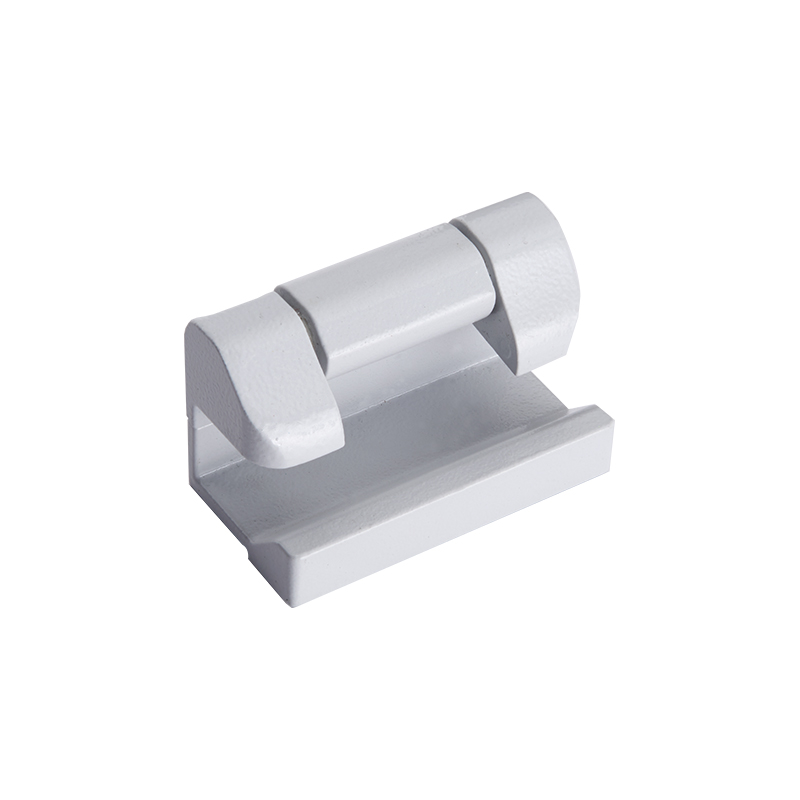
CL213-7 Spray-Molded Zinc Alloy 180° Cassette HingeCL213-7 Spray-Molded Zinc Alloy 180° Cassette HingeFor flush cabinet doors needing 180° access, this zinc alloy cassette hinge offers spray-molded black finish and high static load ratings.View Product →

If you are still mapping out which family fits your door design, our hinge range is organised by mounting style, from built-in and cassette types to exterior and stainless steel versions.

Then the Sealing and Closing Action

An enclosure door has the same sealing duty as an exterior door with weatherstrip: the leaf has to press the gasket evenly, all the way around. A compression latch does exactly that, pulling the door inward as the handle turns so the seal compresses instead of just touching. On tall or wide doors, a single latch cannot hold the gasket line, which is where three-point rod systems earn their place by locking at the top, the centre and the bottom at once.

Finally, the Access Method

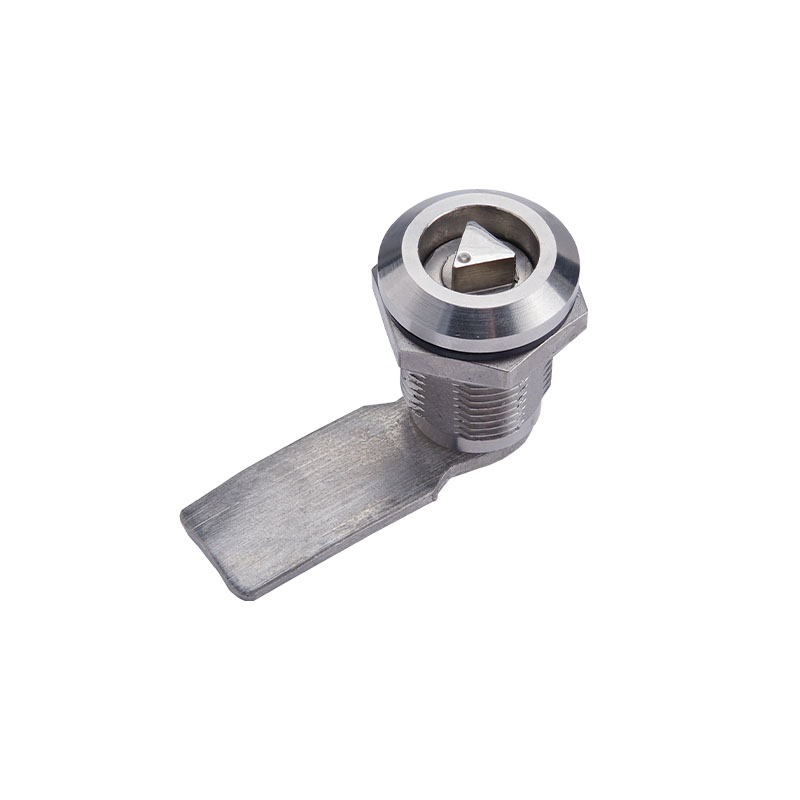
Mechanical locks remain the default, and cylinder lock selection usually comes down to keyway shape, material and whether a dust cover is needed. If you want a clearer view of how those variants differ, this overview of cabinet cylinder lock types and their uses is a useful starting point.

For cabinets that need access records, passive electronic locks with an integrated handle allow key-based electronic unlocking without a separate power feed to the door, which keeps the pre hung assembly simple to install.
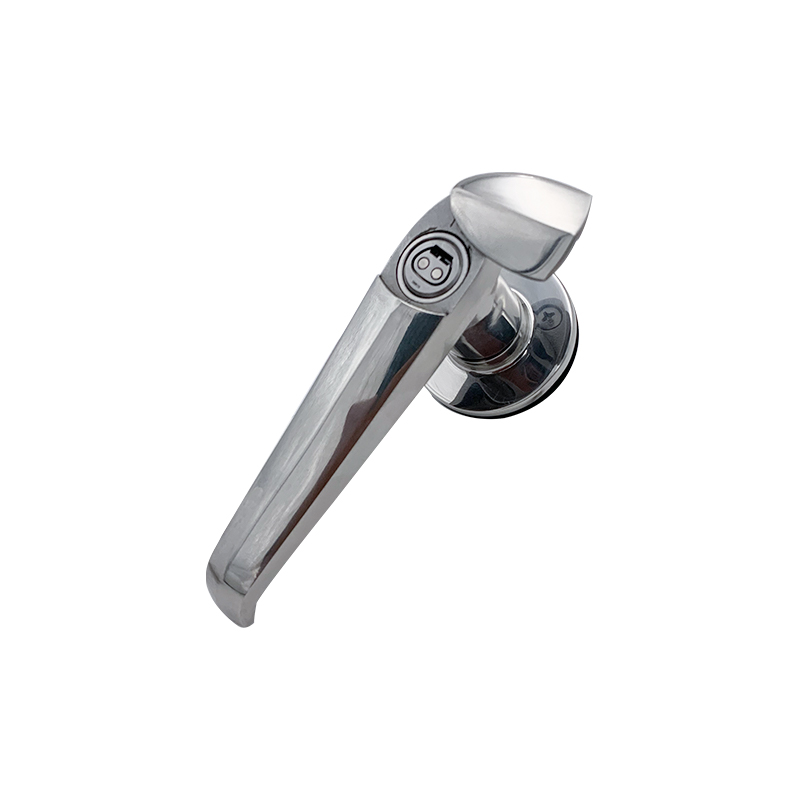
DS317-S Passive Electronic Lock with Stainless Steel HandleDS317-S Passive Electronic Lock with Stainless Steel HandleFor cabinets needing access records, this passive electronic lock combines an electronic-key cylinder, 200,000 unlocks, and a stainless steel handle.View Product →

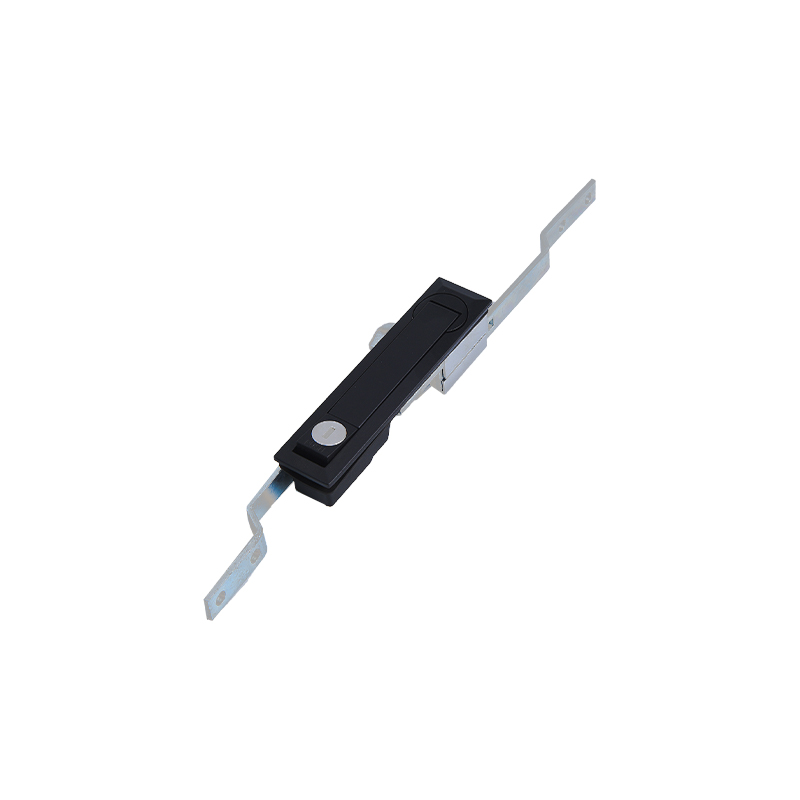
Where a door needs several locking points linked to one operating handle, a three-point connecting rod lock lets a single rotation drive the rods through the gasket line without racking the leaf.
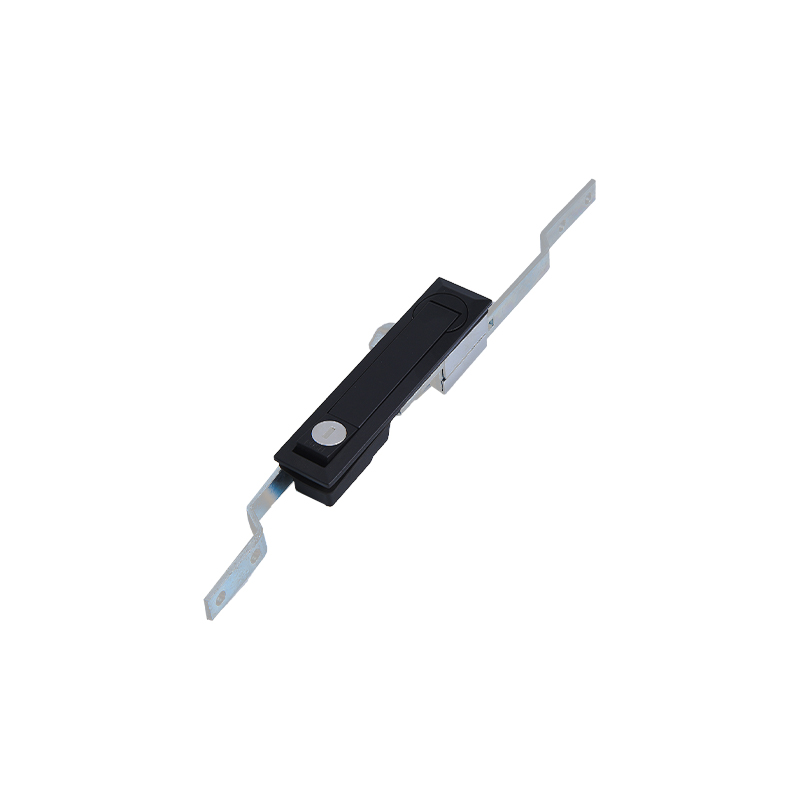
MS731 Zinc Alloy Three-Point Locking Connecting Rod LockMS731 Zinc Alloy Three-Point Locking Connecting Rod LockFor multi-point cabinet locking, this three-point connecting rod lock uses a 90° handle rotation and zinc alloy construction to drive rods without racking.View Product →

Common Questions About Pre Hung Doors

Do pre hung doors cost more than slabs?

The unit itself usually costs more, because it includes the frame and hardware. The installed cost is often lower, since the labour saved on fitting and adjustment is typically greater than the price difference.

Can a pre hung door be cut down to fit?

Trimming is possible within limits. Narrowing the frame or shortening a jamb can affect hinge positions and lock alignment, so it is better to order the correct size than to rebuild a unit on site.

Is the handle and lock always included?

Not always. Many suppliers ship the door hung with lock preparation complete but the trim loose. Always confirm the scope before the order is placed.

Does the same principle apply to industrial cabinets?

Yes. Cabinet manufacturers assemble the leaf, hinges, gasket, latch and rod system as one tested unit, which is why hardware selection happens early in the design stage rather than at the end.

The Practical Takeaway

Pre hung doors are a factory answer to a site problem: assembly, alignment and preparation are done once, under controlled conditions, instead of being repeated by hand at every opening. Whether the door is a timber leaf for a corridor or a steel leaf on a transformer enclosure, the questions are the same ones. Which way does it swing, how does it seal, and how does it lock?

Answer those three questions before the frame is built, and the door will still close properly years later.

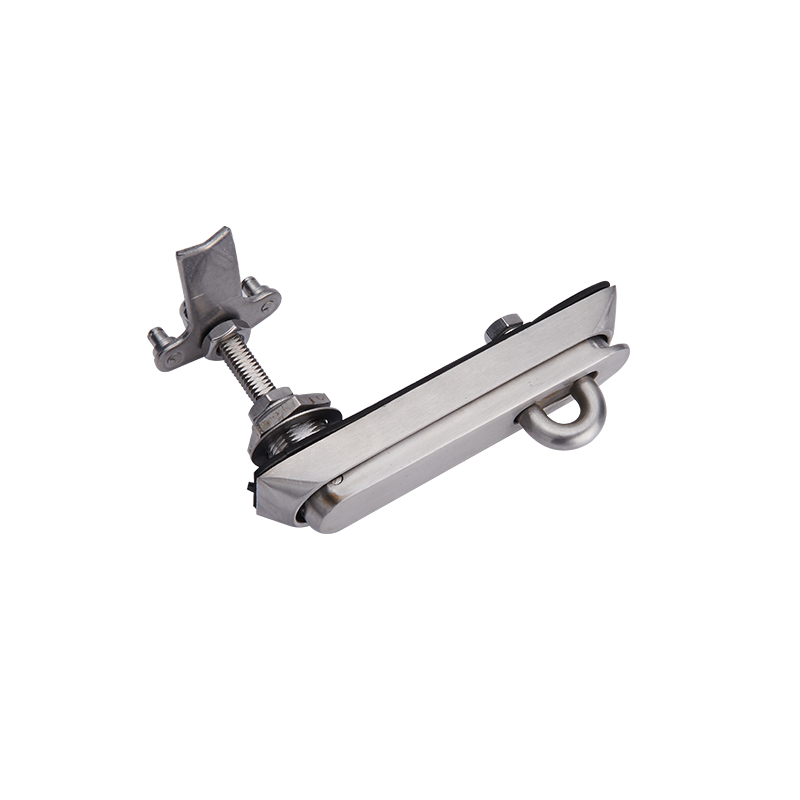
Product Description

OUR COMPANY

We are a high-quality manufacturer specializing in
R&D, production and sales of industrial locks.

Ningbo Oubao Technology Co., Ltd.

As China What Are Pre Hung Doors? A Practical Guide for Industrial Enclosure Design Suppliers and What Are Pre Hung Doors? A Practical Guide for Industrial Enclosure Design Factory, Ningbo Oubao Technology Co., Ltd. specializes in the production of high and low voltage switch cabinet locks, chassis cabinet locks, instrument cabinet locks, communication cabinet locks electronic locks and hinges, handles, limit devices, cabinet lock accessories and other products, which are widely used in industrial cabinets, engineering Machinery, network, communication, computer industry, automobile industry, navigation, high-speed rail, rail transportation, machinery and equipment and other industries. In order to adapt to the development of the market, Oubao has developed more than ten types of electronic lock product models, which have various functions such as APP unlocking, WeChat temporary authorized unlocking, remote wireless unlocking, and Bluetooth copper key emergency unlocking. Survive, honest service and development" business purpose. Committed to providing you with high-quality products and high-quality services. There is a professional and dedicated design management team, from product design, mold making, product die-casting, sprinting, hardware CNC machining, surface treatment, to assembly, every link and process has been strictly tested and controlled. In recent years, the company has continuously Introduce advanced technology and equipment to optimize production efficiency.

News

Contact

Please complete the form below and one of our team will get back to you as soon as possible.

News

Home / News / Industry News / What Are Pre Hung Doors? A Practical Guide for Industrial Enclosure Design

What Are Pre Hung Doors? A Practical Guide for Industrial Enclosure Design

If you have ever stood on a jobsite holding a loose door leaf, a frame in three pieces and a bag of screws, you already understand why pre hung doors exist. The format moves most of the fiddly work off the site and back to the factory, where hinge pockets, lock bores and frame joints can be cut accurately and repeated on every unit.

The same idea drives industrial enclosure design. A cabinet door, a transformer box lid or a switchgear panel is functionally a small pre hung door: it swings on hinges, seals against a gasket and closes with a latch that has to line up every single time. This guide explains what pre hung doors are, what a complete unit contains, and how that logic carries over into industrial hardware.

What Are Pre Hung Doors?

A pre hung door is a complete door assembly delivered with the leaf already mounted on its own frame. The hinges are mortised into the leaf and the jamb, the frame is assembled and squared, and the preparation for the lock, latch and handle is normally finished before the unit leaves the factory. On site, the installer lifts the whole assembly into the rough opening, shims it until it is plumb and level, and fastens it in place.

The alternative is a slab door, which is simply the bare leaf. Someone then has to fit it to an existing or new frame, cutting hinge pockets, drilling the lock bore, mortising the strike and adjusting the leaf until the gaps look even. That work is skilled, slow and difficult to repeat across dozens of openings.

What the Factory Usually Handles

  • Squaring and assembling the frame, head and jambs
  • Mortising hinge pockets in both the leaf and the jamb
  • Fitting and adjusting hinges so the leaf swings freely
  • Drilling the lock bore and cutting the latch mortise
  • Fitting the latch, strike plate and, on many units, the handleset
  • Adding weatherstrip or a gasket where sealing matters

Not every supplier ships the same package. Some pre hung units include the handleset and trim, while others arrive hung and prepared but with the trim loose in a bag. Confirming what is included avoids surprises during installation.

Pre Hung vs Slab: What Actually Changes On Site

The difference is not only about speed. It is about who controls the tolerances. In a pre hung unit, the frame, hinge positions and lock height are fixed by a jig at the factory, so every door in a run swings and closes the same way. With a slab, those tolerances depend on the person holding the chisel.

The practical differences between a pre hung unit and a bare slab, from delivery through final adjustment.
Point of Comparison Pre Hung Door Slab Door
Delivered as Leaf, frame and hardware preparation in one unit Bare leaf only
Hinge fitting Mortised and adjusted at the factory Cut and fitted on site
Lock preparation Bore, latch and strike usually pre-made Drilled and mortised on site
Installation time Often an hour or less per opening Longer, and heavily dependent on frame condition
Skill required Basic carpentry and a level Experienced carpentry
Gap consistency Even, because the frame is squared in a jig Variable across openings
Best suited to New openings and repeat layouts Replacing a leaf in a sound existing frame

Handing, Swing and Sizing: Where Most Mistakes Happen

Two details decide whether a pre hung door works: handing and opening size. Handing describes which side the hinges sit on when you face the door from the side it opens toward. Get it wrong and the door swings into the wrong space or shuts against the frame rather than into it. Inswing and outswing are equally important, and so is the required opening angle: a door that must clear a service panel usually needs a wider swing than a standard room door.

Sizing is a separate trap. The rough opening is rarely identical to the frame dimensions, and walls are rarely straight. The reliable method is to measure the opening at the top, the middle and the bottom, then work from the smallest figure. The same discipline applies to frame depth against wall thickness, and to the leaf thickness the hinges were designed for.

Why Industrial Enclosure Doors Follow the Same Logic

Walk along a row of switchgear, telecom cabinets or box-type transformer enclosures and you are looking at a wall of pre hung doors. Each leaf carries its own hinges, its own gasket line, its own handle and its own locking point, and each one has to align with a fixed frame that was punched and welded in a fixture. When a cabinet builder specifies the hardware, they are effectively choosing what kind of pre hung door they are shipping.

That is the area our factory works in every day. The problem is never simply a hinge or a latch; it is how the hinge axis, the gasket compression and the lock engagement behave together after thousands of open and close cycles, outdoors in the rain or inside a dusty plant room.

Choosing Hinges, Seals and Locks for a Pre Hung Cabinet Door

Start With the Hinge

The hinge decides the swing, the gap and how long the door stays true. Cassette hinges sit in a routed pocket so the leaf finishes nearly flush with the frame, and a 180-degree opening model gives service technicians unobstructed access to the interior. Where corrosion or load is a concern, stainless steel bodies and thicker pins are the safer specification.

CL213-7 Spray-Molded Zinc Alloy 180° Cassette HingeCL213-7 Spray-Molded Zinc Alloy 180° Cassette HingeFor flush cabinet doors needing 180° access, this zinc alloy cassette hinge offers spray-molded black finish and high static load ratings.View Product →

If you are still mapping out which family fits your door design, our hinge range is organised by mounting style, from built-in and cassette types to exterior and stainless steel versions.

Then the Sealing and Closing Action

An enclosure door has the same sealing duty as an exterior door with weatherstrip: the leaf has to press the gasket evenly, all the way around. A compression latch does exactly that, pulling the door inward as the handle turns so the seal compresses instead of just touching. On tall or wide doors, a single latch cannot hold the gasket line, which is where three-point rod systems earn their place by locking at the top, the centre and the bottom at once.

Finally, the Access Method

Mechanical locks remain the default, and cylinder lock selection usually comes down to keyway shape, material and whether a dust cover is needed. If you want a clearer view of how those variants differ, this overview of cabinet cylinder lock types and their uses is a useful starting point.

For cabinets that need access records, passive electronic locks with an integrated handle allow key-based electronic unlocking without a separate power feed to the door, which keeps the pre hung assembly simple to install.

DS317-S Passive Electronic Lock with Stainless Steel HandleDS317-S Passive Electronic Lock with Stainless Steel HandleFor cabinets needing access records, this passive electronic lock combines an electronic-key cylinder, 200,000 unlocks, and a stainless steel handle.View Product →

Where a door needs several locking points linked to one operating handle, a three-point connecting rod lock lets a single rotation drive the rods through the gasket line without racking the leaf.

MS731 Zinc Alloy Three-Point Locking Connecting Rod LockMS731 Zinc Alloy Three-Point Locking Connecting Rod LockFor multi-point cabinet locking, this three-point connecting rod lock uses a 90° handle rotation and zinc alloy construction to drive rods without racking.View Product →

Common Questions About Pre Hung Doors

Do pre hung doors cost more than slabs?

The unit itself usually costs more, because it includes the frame and hardware. The installed cost is often lower, since the labour saved on fitting and adjustment is typically greater than the price difference.

Can a pre hung door be cut down to fit?

Trimming is possible within limits. Narrowing the frame or shortening a jamb can affect hinge positions and lock alignment, so it is better to order the correct size than to rebuild a unit on site.

Is the handle and lock always included?

Not always. Many suppliers ship the door hung with lock preparation complete but the trim loose. Always confirm the scope before the order is placed.

Does the same principle apply to industrial cabinets?

Yes. Cabinet manufacturers assemble the leaf, hinges, gasket, latch and rod system as one tested unit, which is why hardware selection happens early in the design stage rather than at the end.

The Practical Takeaway

Pre hung doors are a factory answer to a site problem: assembly, alignment and preparation are done once, under controlled conditions, instead of being repeated by hand at every opening. Whether the door is a timber leaf for a corridor or a steel leaf on a transformer enclosure, the questions are the same ones. Which way does it swing, how does it seal, and how does it lock?

Answer those three questions before the frame is built, and the door will still close properly years later.