language
  Español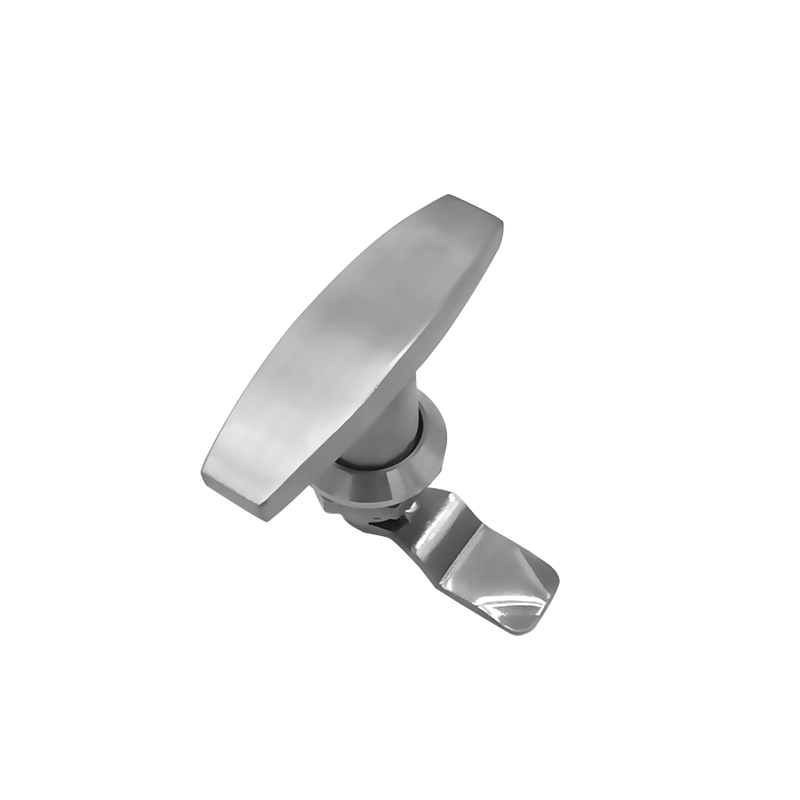

Understanding the Essential Role of Stainless Steel Cabinet Locks in Modern Security
The security of personal belongings, sensitive documents, and hazardous materials often rests on the integrity of a single point of failure: the cabinet lock mechanism itself. In the vast and evolving realm of architectural hardware, stainless steel cabinet locks represent the absolute pinnacle of mechanical reliability, metallurgical engineering, and material science. Unlike traditional locking systems made from softer, more porous alloys, a stainless steel cabinet lock is specifically engineered to withstand not only the physical rigors of attempted forced entry and high-torque tampering but also the gradual chemical degradation caused by persistent environmental exposure and corrosive atmospheres.
In modern architecture and sophisticated interior design, the fundamental concept of the cabinet has evolved significantly. It has transitioned from a simple wooden storage box into complex, multi-functional storage systems integrated into smart homes, high-tech research laboratories, and heavy-duty industrial workstations. Consequently, the hardware securing these units must evolve at a parallel pace. The adoption of stainless steel cabinet locks is no longer a luxury reserved exclusively for high-security government facilities; it has become a standard requirement for any residential or commercial user seeking a permanent install and forget security solution. The inherent molecular strength of the steel provides a high level of torque resistance, ensuring that the lock cylinder remains structurally intact even when subjected to significant prying force or mechanical stress from external tools.
The Evolution of Cabinetry Hardware
Historically, cabinet locks were primarily viewed as decorative accents, often manufactured from thin stamped brass, brittle pig iron, or low-grade die-cast metals. However, as the intrinsic value of stored items increased ranging from expensive consumer electronics and luxury goods to proprietary business data and controlled substances the demand for a more robust material led to the widespread industrial use of stainless steel. Stainless steel cabinet locks effectively bridge the gap between heavy-duty industrial-grade security and the sleek, refined aesthetic look required for high-end residential furniture and modern professional environments. This evolution marks a shift from purely functional barriers to sophisticated security assets that enhance the longevity of the furniture they protect.
Why Choose Stainless Steel for Cabinet Locks?
Choosing the right material for security hardware involves a complex process of balancing several critical factors: long-term longevity, structural strength, aesthetic maintenance, and environmental resistance. Stainless steel cabinet locks excel in every measurable category, making them the demonstrably superior choice over zinc, brass, aluminum, or plastic alternatives that often fail under duress.
Unrivaled Durability and Corrosion Resistance
The primary technical advantage of a stainless steel cabinet lock lies in its unique chemical composition. Stainless steel is a specialized alloy of iron with a minimum of 10.5% chromium. This chromium content reacts naturally with oxygen in the surrounding atmosphere to form a microscopic, transparent, and self-healing layer of chromium oxide. This passive film is the secret to the metal's endurance.
Self-Healing Properties: If the surface of a stainless steel cabinet lock is deeply scratched or abraded during heavy use, the protective chromium oxide layer reforms instantly in the presence of oxygen, preventing oxidation or rust from ever reaching the underlying iron core. Corrosion Resistance: This chemical stability makes stainless steel cabinet locks indispensable in harsh, moisture-heavy environments. In a residential kitchen, they resist the corrosive effects of acidic food vapors, steam, and cleaning moisture. In a clinical laboratory or hospital setting, they can withstand frequent, daily contact with harsh disinfectants and sterilizing agents without pitting or discoloring.
Superior Security and Hardness
Security is fundamentally a measurement of time to breach. A stainless steel cabinet lock provides significantly more protection than its counterparts by increasing the difficulty of every known bypass method:
Drill Resistance: The high density and work-hardening nature of the steel make it exceptionally difficult for standard high-speed steel drill bits to penetrate the cylinder or the plug. This forces an intruder to use specialized, expensive bits, often creating enough noise and delay to deter the attempt entirely.
Shear Strength: The internal cam and bolt mechanisms within stainless steel cabinet locks are designed to withstand much higher levels of rotational torque. This means the lock will not snap or shear off if someone attempts to force the cabinet door open with a large screwdriver or a crowbar, a common failure point in zinc-based locks.
Wear Resistance: Because the metal is significantly harder than brass or zinc, the internal pins, wafers, and springs of the stainless steel cabinet lock do not wear down as quickly from the friction of the key. This maintains the precision of the keyway and the shear line over tens of thousands of cycles, preventing the lock from becoming loose or easy to jiggle open.
Technical Material Comparison: Grade 304 vs. Grade 316
When selecting stainless steel cabinet locks for a specific project, it is vital to understand the metallurgical grade of the metal used in production. Not all stainless steel is created equal, and the wrong choice can lead to premature surface staining in specific environments.
| Feature | Grade 304 Stainless Steel | Grade 316 Stainless Steel |
| Common Name | 18/8 Stainless Steel | Marine-Grade Stainless Steel |
| Chemical Composition | 18% Chromium, 8% Nickel | 16% Chromium, 10% Nickel, 2% Molybdenum |
| Corrosion Resistance | High (Excellent for standard indoor and protected use) | Superior (Highly resistant to chlorides, salt, and acids) |
| Best Application | Residential kitchens, standard offices, general storage units | Coastal areas, outdoor lockers, medical labs, chemical plants |
| Tensile Strength | Approx. 515 MPa (Standard) | Approx. 580 MPa (Enhanced) |
| Economic Value | More affordable for large-scale projects | Premium pricing for extreme environments |
Modern Aesthetics and Hygiene
Beyond the core requirements of security, stainless steel cabinet locks offer a clean, professional, and timeless appearance that appeals to modern design sensibilities. The neutral metallic tone of the steel complements almost any color palette, from natural wood grains and stone veneers to modern high-pressure laminate finishes. Furthermore, the non-porous nature of the metal surface effectively prevents the growth and harbor of bacteria, mold, and pathogens. In environments where hygiene is a critical operational factor, such as medical clinics, dental offices, or food preparation areas, the ability to aggressively sanitize a stainless steel cabinet lock without fearing finish degradation or structural weakening is a major operational benefit that reduces long-term replacement costs.
Technical Deep-Dive: Mechanical Integrity of Stainless Steel Cabinet Locks
To truly appreciate the engineering value of a stainless steel cabinet lock, one must look closely at the internal mechanical engineering and machining processes. The precision with which these locks are manufactured directly determines their resistance to professional bypass techniques such as picking, bumping, or impressioning.
The Cylinder and Plug Design
In a high-quality stainless steel cabinet lock, the cylinder housing and the internal plug are machined to incredibly tight tolerances, often measured within 0.05mm. This extreme precision ensures that only the correctly cut key can align the internal pins at the exact shear line required for rotation. Because stainless steel does not deform easily under the pressure of the pins and springs, these tolerances remain remarkably consistent even after twenty years of heavy daily use. In softer metals, the holes for the pins eventually become oval-shaped, making the lock vulnerable to picking; stainless steel cabinet locks remain circular and secure.
Torque and Pull Force Parameters
When engineers evaluate the structural strength of stainless steel cabinet locks, they focus on two primary physical parameters that define the lock's failure point:
Maximum Torque Resistance: This measures exactly how much rotational force can be applied to the lock plug before the internal locking cam or the cylinder wall fails. High-grade stainless steel cabinet locks typically handle between 15–20 Nm of torque, which is double the capacity of standard residential-grade hardware.
Pull Strength: This measures the linear force required to pull the entire lock cylinder straight out of the cabinet door face. Due to the use of heavy-duty stainless steel spur washers and high-tensile retaining nuts, these locks often exceed 2,000 Newtons of pull-out resistance, ensuring the lock stays in the door even during a violent break-in attempt.
Diverse Types of Stainless Steel Cabinet Locks
Selecting the appropriate stainless steel cabinet lock requires a nuanced understanding of the different mechanical configurations available on the market today. Each specific type is designed to address unique spatial constraints, varying security levels, and specific user interaction requirements in the field.
Stainless Steel Cam Locks
The cam lock is the most ubiquitous and versatile form of the stainless steel cabinet lock found in modern furniture. It consists of a base cylinder body and a rotating metal arm known as the cam. When the key is inserted and turned, the cam rotates typically between 90 and 180 degrees to latch securely behind the cabinet frame or a strike plate.
Key Features: High versatility, ease of installation, and simple replacement. Ideal For: Standard desk drawers, metal filing cabinets, and small wooden storage chests. Technical Variations: Available in Key Retaining versions, which are essential for safety because they prevent the user from removing the key while the lock is in the open position, ensuring the cabinet is never accidentally left unlocked. Non-Key Retaining versions allow for the key to be removed regardless of the bolt position.
| Parameter | Standard Stainless Steel Cam Lock | Heavy-Duty Stainless Steel Cam Lock |
| Cylinder Diameter | 18mm - 19mm (Standard cut) | 22mm - 25mm (Industrial cut) |
| Cylinder Lengths | 10mm, 16mm, 20mm, 25mm, 30mm | 35mm, 40mm, 50mm, 60mm |
| Cam Thickness | 2.0mm (Standard) | 3.0mm - 4.0mm (Reinforced) |
| Rotation Angle | 90° or 180° (Switchable) | 90° Fixed (For high security) |
| Material Grade | SUS 304 | SUS 316 |
Stainless Steel Deadbolt Locks
Unlike the simple rotating action of a cam lock, a stainless steel cabinet lock of the deadbolt variety utilizes a solid, rectangular or cylindrical bolt that extends vertically or horizontally into a reinforced strike plate. This provides a much higher level of physical security against prying.
Mechanism: The bolt is moved linearly through a geared or direct-drive system by the rotation of the cylinder plug. Security Advantage: Because the bolt is thick and square-edged, it is significantly harder to bypass by shimming (using a thin piece of metal to retract the bolt) or prying the door away from the frame. Common Applications: High-value jewelry display cases, narcotics cabinets in pharmacies, and heavy-duty staff lockers.
Stainless Steel Magnetic Locks
Modern high-end cabinetry often demands a hardware-free or minimalist look where no keyholes or handles are visible on the exterior face. The magnetic stainless steel cabinet lock fulfills this aesthetic and functional role perfectly.
Operation: A powerful, coded magnetic key is placed against a specific spot on the outside of the cabinet door to release a spring-loaded stainless steel latch mechanism hidden on the inside. Child Safety: These are considered the gold standard for child-proofing homes, as they remain completely hidden from view and cannot be operated by small children without the specific magnetic trigger. Durability: Since the internal mechanical components are often encased in a protective stainless steel housing, they are shielded from the environmental wear and cleaning chemicals typical of kitchen or bathroom cabinets.
Stainless Steel Combination Locks
For environments where carrying a physical metal key is inconvenient or poses a loss risk, the combination-style stainless steel cabinet lock offers a high-security keyless solution. These are typically available in 3-digit or 4-digit mechanical dial configurations.
Resettability: Most high-quality stainless steel cabinet locks allow the authorized user to change the combination code in a matter of seconds without requiring any specialized tools or disassembly. Environmental Resilience: Unlike zinc-based combination locks which often seize up due to internal oxidation, the stainless steel version uses internal stainless springs and dials that do not corrode, ensuring the dials turn smoothly even after years of neglect in dusty or damp conditions. Technical Specifications: Codes Available: 1,000 (for 3-digit) to 10,000 (for 4-digit). Emergency Access: These units are often equipped with a Manager Override Key to reset forgotten codes or allow administrative access during emergencies.
Stainless Steel Latch and Slam Locks
Often used in mobile environments or high-traffic utility areas, the slam-style stainless steel cabinet lock allows the user to simply push the cabinet door shut, automatically engaging the locking bolt without using a key.
Mechanical Action: A spring-loaded, beveled bolt retracts upon impact with the strike plate and then snaps back into the locked position once the door is fully closed. Vibration Resistance: Essential for vehicles like RVs, boats, and ambulances, these locks are engineered so that constant road or engine vibrations will not cause the bolt to vibrate out of the locked position, keeping equipment secure during transit.
Technical Comparison: Stainless Steel Cabinet Locks vs. Other Materials
When procuring hardware for large projects, it is often tempting to opt for cheaper alloys to save on initial costs. However, a side-by-side technical and financial analysis clearly demonstrates why the stainless steel cabinet lock is the most cost-effective and secure solution over its entire lifecycle.
| Performance Metric | Stainless Steel (SUS 304/316) | Zinc Alloy (Die-Cast) | Brass (Solid) | Plastic (Industrial Polymer) |
| Tensile Strength | High (515+ MPa) | Moderate (250-300 MPa) | Moderate (340 MPa) | Low (40-80 MPa) |
| Rust Resistance | Excellent (Self-healing layer) | Low (Requires constant plating) | Good (But will tarnish/green) | Total (But degrades in UV) |
| Fire Resistance | High (Melting pt: 1400°C) | Low (Melting pt: 420°C) | Moderate (Melting pt: 900°C) | None (Melts/Burns/Toxic) |
| Anti-Pick Rating | High (Harder, precise metal) | Moderate (Softer tolerances) | Moderate (Wears over time) | Very Low (Easily bypassed) |
| Typical Lifespan | 20+ Years | 3-5 Years | 10-15 Years | 1-2 Years |
Why Plated Locks Fail Where Stainless Steel Succeeds
Many budget-friendly steel-look locks are actually manufactured from a base of zinc alloy with a very thin electroplated layer of chrome or nickel to provide a shiny appearance. Over time, the constant friction of the key entering and exiting the keyway wears away this protective plating. Once the base zinc metal is exposed to the oxygen and moisture in the air, it begins to undergo a process of rapid oxidation, leading to pitting, surface bubbling, and internal corrosion that eventually seizes the lock. In contrast, a stainless steel cabinet lock is solid through its entire cross-section. There is no plating to wear off, scratch, or peel. In fact, the more a stainless steel cabinet lock is used, the more the surface remains naturally polished and functional, as the key action helps keep the internal surfaces clean.
Applications of Stainless Steel Cabinet Locks
The remarkable versatility and environmental resistance of the stainless steel cabinet lock make it suitable for a vast range of sectors. Understanding these applications helps in determining the necessary Grade and Type for your specific installation project.
Residential and Home Use
Kitchen Safety: Modern kitchens are high-moisture zones. Stainless steel cabinet locks are essential for securing under-sink cabinets containing hazardous cleaning supplies and sharp cutlery. The humidity from cooking demands the rust-proof nature of a stainless steel cabinet lock to prevent the mechanism from sticking over time.
Home Office: With more people working from home, protecting sensitive tax documents, legal papers, and high-end computer hardware is critical. A deadbolt-style stainless steel cabinet lock offers the necessary physical barrier against unauthorized access by guests or contractors.
Outdoor Kitchens and BBQ Islands: Outdoor entertainment areas are exposed to rain, dew, and varying temperatures. For these applications, only Grade 316 stainless steel cabinet locks can survive constant exposure to the elements without seizing or developing unsightly surface rust.
Commercial and Office Use
Shared Workspaces and Hot-Desking: In modern flexible offices, keyless combination stainless steel cabinet locks allow multiple employees to utilize the same lockers on different days without the logistical nightmare and cost of managing hundreds of physical metal keys. This enhances office efficiency and reduces the overhead of locksmith services.
Retail Displays and Luxury Goods: In retail environments, appearance is everything. High-visibility, polished stainless steel cabinet locks provide robust security for luxury goods like watches and electronics while perfectly matching the premium aesthetic of glass, LED lighting, and metal display cases.
Industrial and Healthcare Use
Medical Facilities and Clinics: In hospitals and dental offices, equipment and furniture must be sanitized daily with aggressive bleach or alcohol solutions. The chemical resistance of a stainless steel cabinet lock ensures that the intricate internal locking mechanism does not degrade or corrode under a strict sterilization regimen, ensuring patient safety and regulatory compliance.
Industrial Tool Chests and Workshops: These locks must be able to withstand heavy mechanical impacts, grease, and vibrating machinery. The high torque resistance and impact strength of a stainless steel cabinet lock prevents heavy drawers from being forced open or the lock body from being shaken loose in high-traffic, vibration-heavy workshops.
How to Install Stainless Steel Cabinet Locks
The physical security provided by a stainless steel cabinet lock is only as effective as the quality of its installation. Even the highest-grade SUS 316 lock will eventually fail if the mounting hole is oversized, the material is too thin, or the alignment is off by even a few millimeters. Proper installation ensures that the immense physical strength of the stainless steel is fully integrated into the structural integrity of the cabinet unit.
The Pre-Installation Measurement Phase
Before you begin the drilling process, you must accurately identify three critical dimensions of your stainless steel cabinet lock to ensure a perfect fit: Cylinder Diameter: Most standard stainless steel cabinet locks require a precision 19mm (3/4 inch) hole. Cylinder Length: The cylinder must exceed the thickness of your cabinet door by at least 5mm to allow for the thickness of the retaining nut and the cam to be secured. Distance to Edge (Backset): This measurement determines where the cam will strike the cabinet frame; if this is incorrect, the door will either not lock at all or will rattle significantly when closed.
| Component | Measurement Consideration | Tolerance Level |
| Hole Diameter | Match exactly to the cylinder outer diameter | Strict +0.5mm / -0mm |
| Door Thickness | Check material (Wood, Metal, or Glass) | Standard Max 28mm for most locks |
| Cam Length | Distance from the cylinder center to the strike point | Must overlap the frame by at least 8mm |
| Strike Plate Gap | The empty space between the door back and frame | Ideal 2.0mm - 4.0mm range |
Essential Tools for Installation
To install a stainless steel cabinet lock to a professional standard, you must gather the following specialized tools: Forstner Bit: This is specifically used for wood cabinets to ensure a clean, flat-bottomed hole that does not splinter. Step Drill Bit: This is essential for installing a stainless steel cabinet lock into metal lockers or thin-gauge steel enclosures. Center Punch: A small tool used to create a starting point to prevent the drill bit from wandering on the smooth stainless steel or laminate surface. Square and Marking Gauge: Used for ensuring the perfectly vertical and horizontal alignment of the strike plate.
Step-by-Step Installation Guide
Phase 1: Marking the Position. Carefully identify the center point where the stainless steel cabinet lock will reside. Typically, for aesthetic and functional reasons, this is located 25mm - 40mm from the opening edge of the door. Use your center punch to create a small, permanent indentation to guide your drill bit.
Phase 2: Drilling the Cylinder Hole. For Wood: Start drilling from the front face until the very tip of the bit just pokes through the back surface, then immediately stop and finish the hole by drilling from the back. This prevents the unsightly blowout or splintering of the wood grain. For Metal: Use a step drill bit with a bit of cutting oil. Since the stainless steel cabinet lock is often harder than the cabinet material itself, you must ensure the hole is perfectly circular to prevent the lock from wobbling over time.
Phase 3: Inserting and Securing the Lock Body. Insert the stainless steel cabinet lock cylinder through the hole from the front. On the backside of the door, slide the spur washer (often called a star washer) over the cylinder. This washer is vital because its sharp metal teeth bite into the cabinet material, preventing the entire lock body from spinning when the key is turned forcefully. Thread the heavy hex nut and tighten it with a wrench; do not over-tighten on soft wood as it may compress the fibers and cause the lock to sit crooked or fail to operate smoothly.
Phase 4: Attaching the Cam and Adjusting the Strike. Place the metal cam (the locking arm) onto the rear end of the cylinder. Most stainless steel cabinet locks utilize a specialized double-D hole pattern on the cam which allows for 4-way positioning (up, down, left, right) depending on your cabinet design. Secure the cam firmly with the screw or C-clip provided in the kit.
Maintenance and Care for Stainless Steel Cabinet Locks
While the term stainless implies a high immunity to environmental damage, stainless steel cabinet locks are precision mechanical devices that still require periodic, routine maintenance to ensure the internal pin-tumbler or wafer mechanism operates without friction or jamming.
Cleaning Protocols for Different Environments
The attractive finish of a stainless steel cabinet lock is physically protected by a thin chromium oxide layer. If this layer is covered in a thick layer of grime, oil, or salt, the metal cannot breathe or interact with oxygen, which may lead to localized surface staining.
Standard Home/Office Environments: Simply wipe the lock face once a month with a soft, clean microfiber cloth and warm, slightly soapy water. High-Hygiene Environments (Labs/Hospitals): Use a 70% isopropyl alcohol solution to disinfect. Always avoid using any cleaners that contain bleach (sodium hypochlorite), as aggressive chlorides can cause pitting corrosion even in high-grade stainless steel cabinet locks. Coastal and Marine Environments: Rinse the exterior face of the lock with fresh water once a week to remove the salt deposits that can lead to tea staining (a brownish surface discoloration that does not affect structural integrity but looks like rust).
Strategic Lubrication
The single biggest mistake users make when maintaining a stainless steel cabinet lock is using common oil-based lubricants (like standard WD-40 or machine oil) inside the keyway. Oil is a magnet for dust and pocket lint, which creates a thick sludge that eventually jams the tiny internal pins and springs.
Dry Graphite Powder: This is the globally preferred choice for stainless steel cabinet locks. Simply puff a small amount of the dry powder into the keyway and work the key in and out several times to distribute the lubricant. PTFE (Teflon) Sprays: These are excellent for high-moisture or outdoor areas because they provide a dry, non-stick protective film that does not attract contaminants and lasts for several months.
Troubleshooting Common Issues
| Mechanical Issue | Likely Root Cause | Recommended Solution |
| Key is hard to insert or pull out | Internal dust buildup or a small metal burr on the key edge | Clean the key with a soft wire brush; apply a puff of dry graphite to the keyway |
| The whole lock body rotates when turning | The rear retaining nut has vibrated loose over time | Tighten the rear hex nut with a wrench; ensure the spur washer is biting the surface |
| The cam does not reach the strike plate | The cabinet door is warping or the frame has shifted | Adjust the strike plate position slightly or swap to a deep-offset stainless cam arm |
| The key goes in but will not turn | Internal pin misalignment or a bent key blade | Check the key for straightness; use a vibrating tool to help settle the internal pins |
Safety Precautions During Installation and Use
When working with high-strength stainless steel cabinet locks, physical safety should be the top priority to protect both the person installing the hardware and the delicate finish of the cabinetry itself. Eye Protection: When drilling into metal for a stainless steel cabinet lock installation, the resulting metal shards (known as swarf) are extremely sharp, hot, and can fly at high speeds. Always wear safety goggles. Burr Removal: After drilling the mounting hole, always use a deburring tool or a small round file on the edges of the hole. Sharp metal edges can easily cut fingers during the assembly of the stainless steel cabinet lock components. Torque Limits: Under no circumstances should you use a high-power impact driver to tighten the mounting nuts. The threads on a stainless steel cabinet lock are precision-machined; cross-threading or over-torquing with power tools can permanently ruin the cylinder threads.
Technical Comparison: Stainless Steel Cabinet Locks vs. Other Materials
The global market for cabinetry hardware is saturated with various cheap alloys, each claiming to offer long-term strength and durability. However, when these materials are subjected to standardized industrial stress tests, the stainless steel cabinet lock consistently and significantly outperforms all alternatives in every metric.
Stainless Steel vs. Zinc Alloy (Die-Cast)
Zinc alloy, often referred to in the trade as pot metal or zamac, is the most common competitor to the stainless steel cabinet lock primarily due to its extremely low production cost. Zinc can be easily cast into complex, decorative shapes, making it a popular choice for budget-friendly furniture.
Structural Integrity: Zinc is a naturally brittle metal. Under high levels of torque (such as a forced entry attempt with a large flat-head screwdriver), a zinc lock cylinder is prone to cracking or shat-tering into pieces. In contrast, a stainless steel cabinet lock possesses high ductility and immense tensile strength; it will actually deform slightly under extreme pressure rather than snapping, maintaining the security of the locked enclosure. Surface Degradation: Zinc relies entirely on its external electroplating for its appearance. Once a key or a tool scratches the internal keyway, the base zinc metal is exposed to oxygen, leading to a process called white rust, which manifests as a powdery corrosion that quickly clogs the lock's movement. A stainless steel cabinet lock is homogeneous; the metal on the inside is exactly the same as the metal on the outside, ensuring no risk of plating failure or hidden corrosion.
Stainless Steel vs. Solid Brass
Brass is often favored in high-end design for its traditional aesthetic and its natural antimicrobial properties. However, it falls short of the performance of the stainless steel cabinet lock in industrial and high-traffic security settings.
Hardness: Brass is a relatively soft metal. Over several years of frequent use, the mechanical friction of a hard steel key against a softer brass cylinder will wear down the internal pins and the critical shear line. This leads to a condition called key play, where the lock becomes increasingly easy to pick or can be operated with a severely worn or incorrect key. Stainless steel cabinet locks are significantly harder, resisting this type of frictional wear for tens of thousands of additional locking cycles. Tarnish Resistance: Brass naturally oxidizes into a dull green or dark brown patina unless it is frequently polished or treated with a lacquer that can eventually flake off. Stainless steel cabinet locks maintain their bright or brushed factory finish with almost no intervention, even in humid or salt-heavy environments.
Comprehensive Material Performance Matrix
| Metric | Stainless Steel (SUS 304/316) | Zinc Alloy (Chrome Plated) | Solid Brass (Polished) | Aluminum Alloy |
| Tensile Strength (MPa) | 515 - 580 (Superior) | 250 - 280 (Weak) | 300 - 340 (Average) | 200 - 300 (Low) |
| Mohs Hardness | 5.5 - 6.0 (High) | 3.5 - 4.0 (Low) | 3.0 (Soft) | 2.5 - 3.0 (Very Soft) |
| Melting Point | 1400°C (Fire Resistant) | 420°C (Melts easily) | 900°C (Average) | 660°C (Low) |
| Salt Spray Resistance | 500+ Hours (Excellent) | 24 - 48 Hours (Poor) | 96 Hours (Moderate) | 120 Hours (Moderate) |
| Elastic Modulus (GPa) | 193 (Very Rigid) | 96 (Flexible) | 105 (Average) | 69 (Soft) |
Advanced Security Features of Stainless Steel Cabinet Locks
Beyond the inherent strength of the material itself, the sophisticated internal engineering of a premium stainless steel cabinet lock incorporates several defense-in-depth features designed to thwart even the most sophisticated bypass and picking attempts.
Anti-Drill Shielding
Because stainless steel is inherently difficult and time-consuming to drill, manufacturers of high-security stainless steel cabinet locks often incorporate an additional free-spinning faceplate over the cylinder. If a burglar attempts to use a high-speed power drill on the lock, the faceplate spins freely with the drill bit rather than allowing the bit to bite into the metal. This, combined with the hardness of the steel, significantly increases the time and noise required for a successful breach, often causing the intruder to abandon the attempt.
Anti-Pick Pin Technology
Within the cylinder of a high-end stainless steel cabinet lock, the internal pins are often machined with specific spool, serrated, or mushroom shapes. These unique shapes create what are known as false sets for someone attempting to pick the lock. When a picking tool is used, these pins give the illusion that the lock is about to open when it is actually becoming more securely trapped, making it nearly impossible for anyone without professional locksmith training and specialized tools to gain unauthorized entry.
High-Security Keyways
Many specialized stainless steel cabinet locks utilize patented or restricted keyways with side-milling or telescopic pin features. Unlike standard house keys or cabinet keys, these high-security keys cannot be duplicated at a local hardware store or on an automated key-cutting machine. This ensures that the owner of the stainless steel cabinet lock maintains absolute and total control over exactly how many keys exist in circulation and who possesses them at all times.
FAQ about Stainless Steel Cabinet Locks
Can I use a Grade 304 stainless steel cabinet lock for an outdoor locker near the ocean?
While Grade 304 is excellent for general outdoor use in most environments, coastal environments (typically within 5 miles of the ocean) contain high levels of airborne salt and chlorides. For these specific areas, a Grade 316 stainless steel cabinet lock is strongly recommended, as its added molybdenum content specifically prevents pitting and the brownish tea staining caused by salt-air exposure.
Are stainless steel cabinet locks fireproof?
No material is truly fireproof in an absolute sense, but stainless steel cabinet locks are exceptionally fire-resistant compared to other metals. With a melting point of approximately 1400°C, they will remain structurally sound and keep a cabinet locked long after zinc, aluminum, or plastic locks have melted into liquid, which can be critical for maintaining the seal on fire-rated document cabinets and preventing oxygen from feeding a fire.
How do I know if a lock is truly stainless steel or just a plated imitation?
A simple magnet test can often provide a quick clue, though it is not 100% definitive as some stainless steels can become slightly magnetic after the machining process. A better method is to check the weight; a true stainless steel cabinet lock feels significantly heavier, denser, and more solid than a zinc alloy counterpart. Additionally, reputable manufacturers will often have SUS 304 or SUS 316 laser-etched onto the side of the lock body for easy identification.
Can I Master Key a set of stainless steel cabinet locks?
Yes, absolutely. Many professional stainless steel cabinet lock systems are specifically designed to be Keyed Alike (where one single key opens all locks in a set) or Master Keyed (where individual users have keys for their own locks, but a manager has one master key that opens every lock in the facility). This is a highly effective security management strategy for office managers, school administrators, or facility directors.
Is there a specific lubricant I should avoid?
You should absolutely avoid any oil-based, grease-based, or wet lubricants like WD-40, silicone oil, or motor oil. While they may seem to work well initially, over time they will invariably gum up the precision-machined internal pins and springs of the stainless steel cabinet lock, attracting grit and leading to a total mechanical failure. Always stick to high-quality dry graphite powder or dry-film PTFE-based sprays for the best long-term results.