language
  Español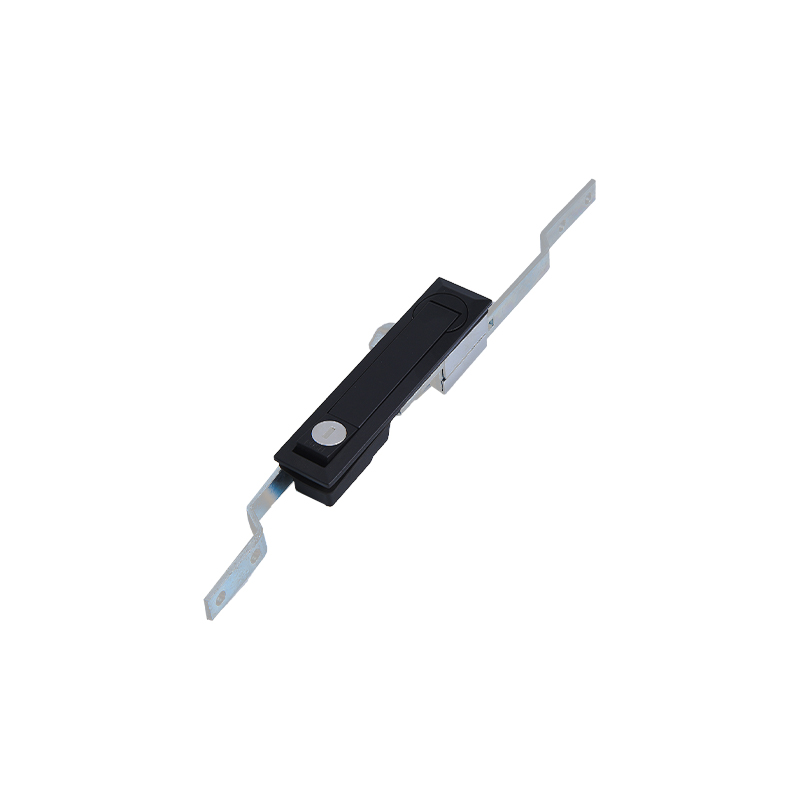

Introduction to Connecting Rod Locks
The relentless pursuit of power and durability in the realm of high-performance internal combustion engines hinges on the integrity of every component, particularly those subjected to the most violent mechanical stresses. At the core of the engine's dynamic operation lies the connecting rod, an assembly that must flawlessly translate the destructive force of combustion into usable rotational energy. The security of this crucial link is not left to chance; it is maintained by specialized, high-strength fasteners known as connecting rod locks, which are the unsung heroes responsible for upholding engine reliability under extreme duress.
The Role of Connecting Rods
The primary mechanical mission of the connecting rod is to act as the essential bridge between the reciprocating piston and the rotating crankshaft. The piston's linear movement, driven by successive combustion events, must be converted into circular motion to turn the flywheel and ultimately drive the vehicle. The connecting rod achieves this through a large end, which clamps around the crankshaft journal, and a small end, which pivots on the piston pin. This design demands that the rod itself be an exceptionally strong and dimensionally stable component. Its effectiveness is not just in its movement but in its structural rigidity, ensuring that every ounce of force generated in the cylinder is efficiently delivered to the crank without parasitic loss or deflection. In any performance application, from circuit racing to high-speed marine use, the fidelity of this conversion process directly correlates to maximized engine performance.
The connecting rod must endure colossal and rapidly alternating forces, a challenge few other mechanical components face. The rod is primarily tasked with managing two immense and opposing stresses: compression and tension. Compressive stress is applied during the power stroke, where the expanding gases force the piston downward, attempting to crush the rod. This force can escalate dramatically in turbocharged or supercharged engines. Conversely, the tensile stress is applied when the piston travels rapidly from Bottom Dead Center (BDC) back towards Top Dead Center (TDC) on the exhaust or intake strokes. Here, inertia, not combustion, is the enemy. The piston and the upper mass of the rod are accelerating away from the crankshaft, attempting to pull the rod assembly apart. This inertial pull tries to stretch the fasteners holding the rod cap in place. If the fasteners fail to resist this stretching, known as "rod stretch," the immediate consequence is catastrophic. Therefore, the connecting rod bolts or locks must possess a superior ultimate tensile strength and a high yield point to counteract these relentless inertial loads, which increase exponentially with engine speed.
The Necessity of Rod Locks
The necessity of specialized connecting rod locks or high-performance fasteners is rooted in the engineering requirement to maintain perfect engine integrity. These fasteners secure the rod cap to the main rod body, forming a single, incredibly strong unit that encircles the crankshaft journal. The fastener's key function is not merely to hold the parts together, but to create a clamping force, or preload, that is orders of magnitude greater than the maximum tensile load the engine will ever produce. This massive preload ensures that the rod and cap act monolithically, preventing any minute movement between the two mating surfaces. Any such movement, often referred to as fretting or cap walk, would compromise the crucial oil film between the bearing shell and the crankshaft, leading to friction, heat, and immediate bearing failure. The fasteners are the linchpin of the bearing assembly’s proper function, guaranteeing the precise geometry and crush required for optimal lubrication and heat dissipation, thus ensuring long-term engine reliability.
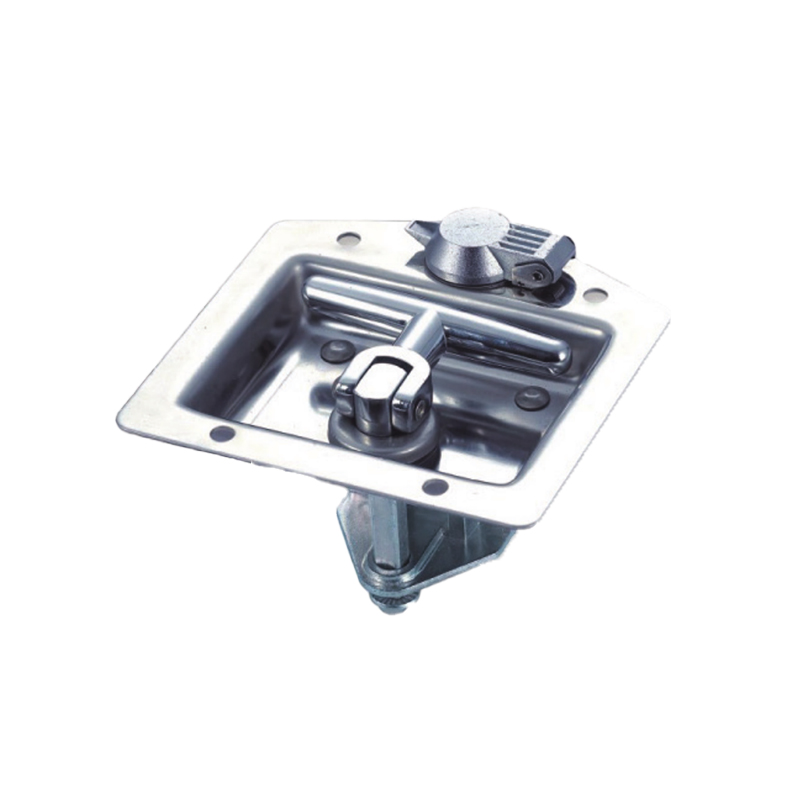
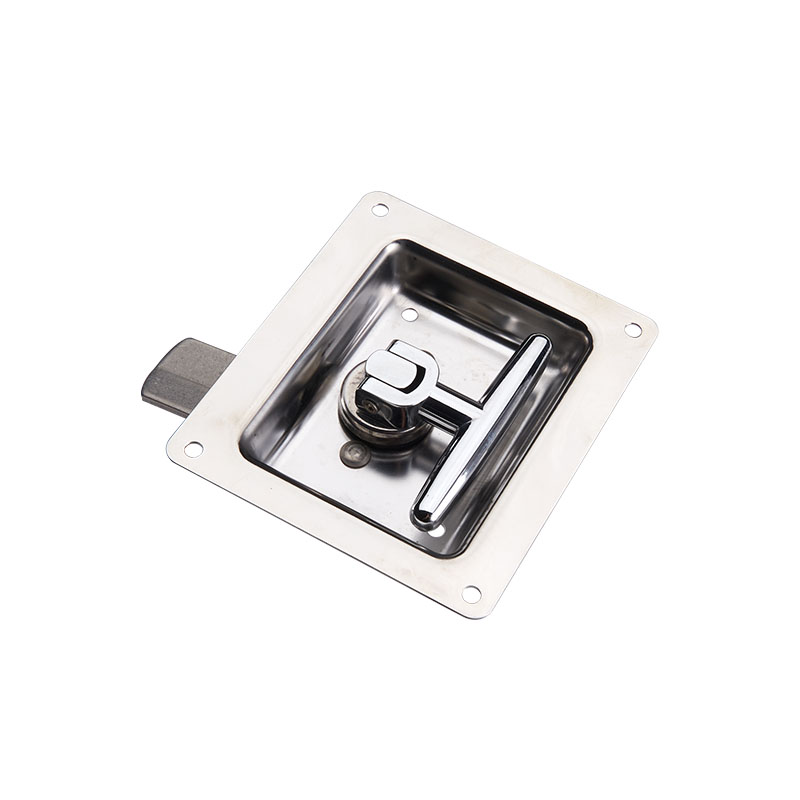
The consequences of fastener failure in this critical application are almost universally catastrophic. A loose or failed connecting rod bolt immediately releases the preload on the rod cap. This failure can initiate in several ways, such as improper torque specifications during connecting rod installation, material fatigue, or excessive stretching beyond the fastener's elastic limit. Once the preload is lost, the cap separates from the rod, leading to rapid bearing failure. If the bolt snaps entirely, the rod is instantly flung loose while the engine is running at high speed. The resulting impact, commonly described as "throwing a rod," involves the free end of the rod punching through the engine block or oil pan, leading to immediate, irreparable destruction of the engine assembly. The difference between a controlled high-revving engine and a pile of scrap metal often comes down to the quality and proper installation of the rod fasteners. While specific fasteners like the Zinc Alloy Three-Point Locking Connecting Rod Locks or a Galvanized Steel Steel Bolt Connecting Rod Lock might be used in lower-stress industrial or maintenance applications where locking mechanisms like a 90°Rotation Open or Lock Connecting Rod Lock are needed for quick assembly, they lack the necessary aerospace-grade material strength and precision required for the extreme tensile stresses within a performance combustion engine. For that environment, dedicated, high-strength bolts are essential.
Article Roadmap
This article aims to provide a comprehensive analysis of the fasteners that define high-performance internal combustion engine reliability. We begin with the foundational necessity of these components, examining the precise forces they must counteract. The subsequent sections will provide an in-depth breakdown of the different categories of fasteners, from standard factory connecting rod bolts to specialized, race-ready options like ARP connecting rod bolts. A significant portion of this analysis will be dedicated to the detailed selection criteria, focusing on material science, such as yield strength and fatigue resistance, which are crucial for ensuring high engine performance. Finally, we will delve into the critical aspects of connecting rod installation, detailing the necessity of accurate measurement techniques like bolt stretch, proper lubrication, and adhering strictly to manufacturer-provided torque specifications. This roadmap is designed to equip builders and enthusiasts with the knowledge necessary to choose and install the right connecting rod locks to protect their investment and maximize their engine’s durability. The final section will address connecting rod maintenance and inspection protocols to ensure longevity.
What are Connecting Rod Locks?
Definition and Components
The term connecting rod locks serves as a broad, often interchangeable descriptor for the high-precision fasteners used to secure the bearing cap to the main body of the connecting rod. While in a purely technical sense, the fasteners are high-strength connecting rod bolts or studs, the 'lock' emphasizes their critical function: to lock the cap and rod together under an immense, unyielding clamping load. In the context of performance engine reliability, a connecting rod lock is a highly engineered tension device designed to operate within its elastic limit across its service life, maintaining dimensional integrity of the rod's big end bore under the most violent cyclical loads. These specialized fasteners are distinctly different from general Galvanized Steel Steel Bolt Connecting Rod Locks or quick-release industrial mechanisms such as the Zinc Alloy Three-Point Locking Connecting Rod Locks or a lever-action 90°Rotation Open or Lock Connecting Rod Lock, which might be used on machinery where operational speed is low and joint security is achieved through physical locking rather than pure tensile preload. Automotive connecting rod locks rely entirely on the precise application of tension during connecting rod installation to achieve the necessary preload, making their material composition and manufacturing precision paramount. The core components of the lock system include the bolt or stud, the nut if a stud kit is used, the threads, and the seating surface under the bolt head or nut. Each element must be perfectly machined to distribute the stress evenly, preventing localized failure.
The rod cap assembly is a complex sub-system that demands perfect cooperation between multiple components. It consists of the connecting rod body itself, the detachable cap, two bearing shells, and the fasteners. The cap and rod are typically manufactured together and precision-machined as a pair, ensuring a perfect, non-fretting mating surface. When the fasteners are tightened according to strict torque specifications, the entire assembly forms a true circle around the crankshaft journal. The clamping force exerted by the connecting rod bolts creates "crush" on the bearing shells, which forces them securely into their bores, preventing them from spinning. This proper crush is essential, as any rotational movement of the bearing would instantly cut off the oil supply, leading to failure. The integrity of the rod cap assembly directly dictates the engine's capability to handle high rotational speeds and high cylinder pressures, underpinning the ultimate level of engine performance achievable. Any distortion of the cap's bore geometry due caused by inadequate preload or fastener stretching will destroy the bearing clearance and result in rapid engine destruction. Therefore, the lock is the critical component preserving the assembly's original geometric integrity against immense forces.
Mechanism of Security
How the fasteners create a clamping force to secure the connecting rods?
The mechanism by which these fasteners provide security is centered on generating and maintaining a specific, quantifiable clamping force, commonly referred to as preload. When a connecting rod bolt is tightened, it stretches, acting like an extremely stiff spring. The tension applied to the bolt creates an equal and opposite compressive force between the rod cap and the main rod body. For performance applications, this preload is calculated to be significantly higher than the maximum tensile load the rod will experience from inertial forces at peak RPM. For instance, if an engine is expected to pull 5,000 pounds of inertia, the bolt must be installed with a preload generating 7,000 to 8,000 pounds of clamping force. This buffer ensures that even at peak tensile stress, the clamping force never drops to zero, and the cap never lifts or separates. The ability of the rod fastener to sustain this high, constant load over millions of cycles is the key to lasting engine reliability.
The principle of bolt stretch and why it is critical for maintaining load
The principle of bolt stretch is arguably the single most critical factor in achieving the correct preload for high-performance applications. While torque is a measurement of the rotational force applied to the fastener, bolt stretch is the direct measure of the actual tension achieved inside the fastener, and is a far more accurate gauge of preload. A fastener is tightened to a specific length increase (stretch), which correlates exactly to the internal tension. High-performance fastener manufacturers like ARP connecting rod bolts provide highly precise stretch specifications. This method is preferred over a simple torque specification because friction variables in the threads and under the bolt head, influenced by lubrication, can make a simple torque reading wildly inaccurate. Two bolts torqued to the same foot-pounds may have vastly different preloads if one is dry and the other is well-lubricated. However, achieving the specified stretch guarantees the correct tension, regardless of friction variations, making it the gold standard for high-performance connecting rod installation. This mechanical spring action is the essential engine reliability feature of the lock system.
Connecting Rod Bolts vs. Locks
In general automotive vernacular, the terms connecting rod bolts and connecting rod locks are often used interchangeably, but both refer to the single-piece threaded fastener that generates clamping force. Historically, 'lock' might imply a mechanism beyond pure friction, such as a lock wire or tab, but modern high-performance usage primarily focuses on the bolt itself as the locking mechanism due to its superior material and design. The bolt’s role is to act as a resilient, high-tension spring. When installed correctly, the bolt’s intrinsic strength and elasticity provide the enduring, non-moving lock required to keep the rod assembly secure against cyclical forces. The precision of the bolt's threads and shank diameter are critical, as they distribute the enormous stress across the entire length of the fastener, maximizing its resistance to fatigue and failure. For this reason, builders rarely trust factory bolts in competition engines, opting instead for dedicated aftermarket fasteners to secure enhanced engine performance.
The material science and design inherent in the bolt are what truly determine its "locking" ability and its impact on engine reliability. Standard factory bolts are often torque-to-yield (TTY), designed to stretch permanently to achieve their required preload, making them single-use items. High-performance alternatives, such as the various series of ARP connecting rod bolts like the ARP2000 or Custom Age 625+, are manufactured from proprietary alloys that allow them to be stressed repeatedly within their elastic limit without permanent deformation. These materials, such as 8740 Chromoly steel, are typically rolled or cold-forged, a process that organizes the metal's grain structure to vastly improve tensile strength and fatigue life. Furthermore, performance bolts often feature a specialized radius under the head to improve stress distribution and a centerless grinding process to ensure perfect parallelism. This meticulous attention to material and geometric design is what elevates a simple bolt to a true high-performance connecting rod lock, capable of handling the extreme forces required for maximum engine performance and enduring years of rigorous connecting rod maintenance. The table below highlights the key differences in installation and reusability.
|
Feature |
Standard Factory Bolt |
ARP Connecting Rod Bolts (High-Performance) |
|---|---|---|
|
Material |
High-Tensile Steel (Often low-alloy) |
Aerospace-Grade Alloys |
|
Installation Method |
Torque-to-Yield (TTY) or Torque Angle |
Bolt Stretch (Preferred) or Strict Torque Specifications |
|
Reusability |
Single-Use (Must be replaced after one use) |
Multi-Use (Designed for repeated service) |
|
Yield Strength |
Lower (Designed to deform plastently) |
Significantly Higher (Operates within elastic limit) |
|
Primary Failure Mode |
Fatigue, Permanent Stretch |
Installation Error, Excessive Stress Beyond Design Limit |
|
Reliability Context |
Adequate for stock, low-stress daily driving |
Essential for high-RPM, boosted, or racing engine reliability |
Types of Connecting Rod Locks
Understanding the fundamental role of connecting rod locks paves the way for a crucial discussion on the variety of fasteners available, each tailored for a specific level of performance and durability. The choice between different types is rarely arbitrary; it represents a calculated decision based on the anticipated stresses, rotational speeds, and desired service life of the engine. The market is broadly divided into factory-standard bolts, which prioritize mass production and low cost, and specialized aftermarket solutions, which prioritize ultimate strength and precision to maximize engine performance and engine reliability.
Standard Connecting Rod Bolts
Description and Materials:
Standard, factory-installed connecting rod bolts are the baseline against which all other fasteners are measured. They are typically manufactured from a high-tensile carbon or low-alloy steel, often featuring grades such as 10.9 or 12.9, which offer adequate strength for the engine’s original, stock torque specifications and redline. These bolts are designed to meet the rigorous demands of original equipment manufacturers (OEMs) for long-term daily driving and routine operating conditions, balancing material cost with necessary strength. Their design is sufficient for the forces generated by an engine operating within its conservative design limits, where cyclical stress remains predictable and well below the fastener's ultimate yield strength. They are inherently reliable for their intended purpose, which is non-performance street use and ensuring the engine can withstand millions of low-stress cycles.
These standard bolts are perfectly suited for use cases involving stock, low-stress applications, or daily driver vehicles that will never see track duty, forced induction upgrades, or significant increases in engine speed. If an engine builder is performing a routine maintenance overhaul on a completely stock engine, utilizing new, OEM-specified bolts is often a cost-effective and perfectly acceptable approach, provided the original rod and cap components are in good condition. However, it is essential to understand that introducing even mild modifications, such as aggressive cam timing, higher compression ratios, or a simple tune that raises the rev limiter, immediately pushes these standard fasteners outside their design envelope, severely compromising engine reliability and demanding an upgrade to a superior fastening solution. Furthermore, industrial fasteners like the Galvanized Steel Steel Bolt Connecting Rod Lock or a simple threaded rod with a standard nut are entirely inappropriate for this high-stress, cyclical application, as their materials lack the required fatigue resistance and precise tolerance necessary to maintain bearing crush.
Single-Use vs. Reusable:
A key defining characteristic of many modern factory connecting rod bolts is the concept of Torque-to-Yield (TTY). These bolts are designed to be tightened past their elastic limit and into the plastic (yield) region during connecting rod installation. By permanently stretching, the TTY bolt provides a very consistent and high clamping force. While this method is highly effective for a single-use assembly on the production line, it renders the fastener unusable for reassembly. Once a TTY bolt is removed, it is permanently elongated and cannot be stretched again without high risk of immediate failure upon retightening. Therefore, these bolts must be replaced every time the rod cap is disassembled, a critical piece of connecting rod maintenance that must not be overlooked. This contrasts sharply with high-performance bolts, which are designed to be reusable within their elastic range. The single-use nature of TTY bolts underscores their difference from quick-release industrial mechanisms like the 90°Rotation Open or Lock Connecting Rod Lock, which is designed for multiple, non-critical quick operations.
ARP Connecting Rod Bolts
Description and Technology:
Automotive Racing Products, or ARP, is the industry standard bearer for high-performance fastening solutions, making ARP connecting rod bolts synonymous with maximum engine reliability in racing and highly modified street engines. ARP bolts are not simply standard fasteners made stronger; they represent a complete redesign and manufacturing process optimized for fatigue resistance and extreme tensile strength. ARP utilizes proprietary materials and manufacturing techniques that include specialized rolling of the threads after heat treatment, which vastly improves thread strength and fatigue life compared to standard cutting or rolling processes. The bolts are often centerless ground to ensure perfect concentricity and parallelism, minimizing stress risers and ensuring even load distribution during clamping. This technological edge provides the confidence needed to push an engine far beyond its original limits.
Key Benefits of ARP connecting rod bolts:
The key benefits of selecting ARP connecting rod bolts are directly tied to overcoming the limitations of standard factory hardware. Their superior strength and reliability allow engine builders to significantly increase the engine’s rotational speed, or RPM, which is the primary driver of inertial forces. By installing bolts with a tensile strength exceeding 200,000 psi, the builder ensures that the preload remains constant even under the violent high-RPM cycling that attempts to pull the rod assembly apart. This reduced risk of cap separation leads to improved bearing life and consistent oil film integrity, which are paramount to sustained engine performance. Furthermore, the material choice offers superior resistance to metal fatigue, the leading cause of bolt failure in race environments. The ability to disassemble and reassemble the engine multiple times without replacing the fasteners also makes ARP connecting rod bolts an economical choice in the long run for serious racers who engage in frequent connecting rod maintenance and inspection.
ARP offers several distinct series of fasteners, each tailored for a specific level of stress and application. The ARP connecting rod bolts range from the highly popular ARP2000, a heat-treated, low-alloy steel with a tensile strength around 220,000 psi, which is suitable for most high-boost and moderate racing applications, up to the formidable Custom Age 625+ series. The Custom Age 625+ material is an aerospace-grade alloy capable of exceeding 260,000 psi of tensile strength, making it the choice for professional top-tier racing environments like Formula 1, high-end drag racing, and extreme endurance applications where the engine is stressed beyond comprehension. Builders must adhere strictly to the specific torque specifications or, more accurately, the bolt stretch figures provided by ARP for the chosen series, as the installation method is crucial for unlocking the fastener’s maximum potential and securing optimal engine reliability.
Other Aftermarket Options
While ARP dominates the high-performance market, several other materials and design variations exist, offering builders alternative options for their specific needs. One common alternative material is Chrome Moly, specifically 8740 Chromoly Steel, which is widely used in high-strength fasteners. While 8740 is strong, it typically provides less tensile strength than ARP2000 but offers a good balance of strength and cost for mildly modified engines. For the absolute highest stress environments, materials like H11 Tool Steel, which is traditionally used in high-temperature dies and tooling, or the exotic Inconel, an aerospace-grade superalloy, offer even higher fatigue resistance and tensile strength, often in the 280,000 psi range. These exotic materials are extremely expensive and typically reserved for engines that spend their lives under peak combustion pressure, often requiring specialized machining and connecting rod installation procedures due to their hardness.
The primary design variation involves the use of stud kits versus traditional bolts. A traditional bolt is threaded into the rod itself, meaning the rod material takes the load of turning the bolt during tightening, which can wear out the threads in the rod over time. Stud kits utilize a stud that is permanently screwed into the rod, and a separate nut is used to apply the clamping force. This design offers two key advantages for connecting rod locks. First, it places the stress of torquing on the nut, not the rod threads, preserving the rod's integrity. Second, a stud naturally stretches in a cleaner, more uniform manner than a bolt, resulting in more accurate preload measurements when using the bolt stretch method. This superior accuracy greatly enhances engine reliability and is often the preferred choice for professional engine builders seeking to maximize engine performance. This high-precision hardware is a world away from low-spec hardware such as the Zinc Alloy Three-Point Locking Connecting Rod Locks, which rely on quick mechanical engagement rather than sophisticated material properties to secure a joint.
Why Use High-Performance Connecting Rod Locks?
The decision to invest in high-performance connecting rod locks is not merely an upgrade; it is a fundamental engineering necessity for any engine whose output exceeds factory specifications. These fasteners are the firewall against inertial destruction, ensuring that the engine’s quest for increased engine performance does not compromise its fundamental engine reliability. The justification for using superior connecting rod bolts is rooted in physics and the need to manage exponentially increasing forces generated by higher RPM and forced induction.
Enhanced Structural Integrity
The most immediate benefit of employing high-performance connecting rod locks is the vastly enhanced structural integrity of the entire rod assembly. These superior fasteners maintain a clamping force, or preload, far beyond what standard OEM bolts can sustain. This is crucial for preventing what is known as "cap separation" or "cap walk," which is the minute, cyclical movement between the rod cap and the main rod body under extreme high-RPM and high-load conditions. When a standard bolt is pulled close to its elastic limit by inertial forces, it stretches enough for the clamping load to momentarily drop. This drop allows the cap to shift, destroying the precision fit and leading to fretting damage on the rod's mating surface. A high-strength fastener, like an ARP connecting rod bolt, with its significantly higher yield strength, resists this stretching. It ensures the preload never drops to zero, keeping the cap locked monolithically to the rod body, preserving the bore's perfect circle geometry and maintaining the essential bearing crush. This unwavering mechanical lock is directly proportional to sustained engine reliability.
Furthermore, high-performance bolts are designed to mitigate the phenomenon of "rod stretch" more effectively than their standard counterparts. Rod stretch refers to the permanent elongation of the connecting rod assembly itself, a critical failure mode induced by extreme tensile forces, typically occurring at peak RPM. While the rod material itself bears the brunt of the load, the bolt is the weakest link and is the first component to fail through fatigue or permanent yielding. By utilizing advanced materials that feature exceptionally high ultimate tensile strength, such as those found in the ARP Custom Age 625+ series, the overall rod assembly's resistance to permanent deformation is dramatically increased. This resistance is vital not just for preventing immediate failure, but for maintaining the critical piston-to-head clearance. Even a few thousandths of an inch of permanent rod stretch can drastically alter the engine’s compression ratio and, in extreme cases, cause the piston to contact the cylinder head, resulting in engine destruction. Therefore, a superior connecting rod lock is essential for maintaining the precise dimensional stability required for maximizing engine performance.
Engine Durability and Safety
Reducing Risk of Catastrophic Failure:
The correlation between high-quality connecting rod bolts and overall engine durability is absolute. By maintaining the preload under all operational conditions, these fasteners directly reduce the risk of catastrophic failure, often referred to colloquially as "throwing a rod." This catastrophic event is almost always preceded by the loss of clamping force, which leads to bearing failure, followed by the complete separation of the rod cap and the rod body. The instantaneous result is the liberated rod destroying the crank, cylinder, and typically punching a hole through the engine block. The cost of a few dollars saved by using inadequate fasteners is directly juxtaposed against the thousands of dollars required to replace a damaged engine. High-performance connecting rod locks serve as an essential insurance policy, providing the mechanical margin of safety necessary when operating a high-output engine close to its physical limits.
High-Performance Assurance:
High-performance assurance is provided by these fasteners, particularly in applications involving forced induction, nitrous oxide injection, or significantly increased redlines. These modifications drastically increase both the compressive forces and the inertial tensile forces . A standard factory connecting rod bolt designed for 5,500 RPM might be subjected to forces requiring 8,000 RPM capability after tuning. The high-quality materials and precise manufacturing of fasteners like the ARP connecting rod bolts ensure that the fastener's ultimate strength and fatigue limit comfortably exceed the new operational loads. The builder can set the torque specifications or, more accurately, the bolt stretch to the required preload with confidence, knowing the fastener will hold this force across millions of cycles. This is entirely unlike low-strength, non-critical fasteners such as the Galvanized Steel Steel Bolt Connecting Rod Lock or a simple threaded industrial mechanism. High-performance connecting rod locks are a mandatory component for harnessing maximum engine performance safely and reliably.
Maintenance and Reusability
An often-underappreciated benefit of utilizing high-quality, non-torque-to-yield connecting rod locks is the significant advantage they provide in terms of maintenance and reusability. As discussed, most factory bolts are TTY and must be discarded after a single use due to permanent plastic deformation during connecting rod installation. In contrast, premium fasteners, such as those made by ARP, are explicitly designed to operate strictly within their elastic range when tightened to the specified stretch. This means the fastener can be disassembled, inspected, and reused multiple times, provided it remains within the manufacturer’s specified service life and has not exhibited any signs of fatigue or stretch beyond the design limit.
This reusable design translates directly into long-term cost savings and efficiency for racers and frequent engine tuners who engage in regular connecting rod maintenance. Engine builders often need to tear down engines for inspection, especially after demanding race events or when swapping components like pistons or crank journals. The ability to reuse the high-performance connecting rod bolts simplifies the teardown process, reduces the inventory cost of stocking numerous single-use bolts, and perhaps most importantly, maintains consistency. Using the same, proven fastener ensures that the established bolt stretch and clamping force properties are replicated during reassembly. This is a critical factor in maintaining consistency in engine reliability across multiple seasons of racing. While fasteners such as the Zinc Alloy Three-Point Locking Connecting Rod Locks or the 90°Rotation Open or Lock Connecting Rod Lock offer quick access in industrial contexts, the performance connecting rod locks offer repeatable, high-tension clamping force over many cycles, which is far more valuable in the automotive environment.
Factors to Consider When Choosing Connecting Rod Locks?
The selection of the appropriate connecting rod locks is a non-negotiable step in building a high-performance engine. It demands a scientific, data-driven approach that moves beyond brand loyalty to focus purely on the mechanical demands of the specific engine build. The choice of fasteners directly dictates the maximum safe RPM, the durability under forced induction, and the long-term engine reliability. Ignoring these factors is akin to building a house on sand.
Ultimate Tensile Strength and Yield Strength
The single most critical mechanical property of a connecting rod lock is its Ultimate Tensile Strength. This is the maximum stress the material can withstand before fracturing, and it is the key indicator of the fastener’s ability to resist the pulling forces generated by piston inertia at high RPM. High-performance engines, especially those with high redlines, demand fasteners with a UTS far exceeding that of standard bolts. For instance, while a standard bolt might offer a UTS of around 150,000 psi, an upgrade to ARP connecting rod bolts in the ARP2000 series is necessary to provide the required safety margin. This increased strength ensures that the fastener will not break when subjected to the peak tensile load of the operating engine.
Equally important is the Yield Strength, which represents the point at which the fastener begins to stretch permanently. For a reusable high-performance fastener, it is imperative that the clamping force applied during connecting rod installation keeps the bolt operating well below this yield point. The fastener must act purely within its elastic range, allowing it to stretch and return to its original length cycle after cycle. If the operating stress approaches or exceeds the yield strength, the bolt will permanently elongate, lose its critical preload, and lead to immediate cap separation and bearing failure. Builders must select a fastener whose published yield strength is substantially higher than the maximum anticipated inertial pull to guarantee sustained engine reliability and dimensional stability, ensuring the fastener can withstand frequent connecting rod maintenance without replacement. This focus on material properties is what separates a true performance lock from simple industrial hardware like the Galvanized Steel Steel Bolt Connecting Rod Lock.
Material Composition and Fatigue Resistance
The long-term durability of a connecting rod lock is defined by its Material Composition and Fatigue Resistance. The forces acting on the connecting rod assembly are cyclical and relentless; an engine turning at 8,000 RPM subjects the bolts to 8,000 tension and compression cycles every minute. Fatigue failure, which is the breakdown of the metal after millions of stress cycles, is the most common failure mode in a long-term racing environment. This necessitates the use of high-quality, specialized alloys and manufacturing processes. Common materials include:
8740 Chromoly Steel: A good entry-level performance material, offering improved strength over standard bolts.
ARP2000: A proprietary heat-treated steel, offering excellent strength and good fatigue life for most boosted and racing applications.
Beyond the raw material, the manufacturing process is critical. Processes like cold forging and thread rolling after heat treatment are essential because they align the metal's grain structure, eliminating microscopic weaknesses and stress risers, particularly at the thread roots. These manufacturing details drastically enhance the fastener's fatigue resistance, ensuring that the connecting rod lock can survive years of high-stress operation, thereby maximizing engine performance and providing exceptional engine reliability. Builders should always verify the manufacturing process when choosing between aftermarket suppliers.
Compatibility, Fitment, and Preload Method
The physical Compatibility and Fitment of the chosen connecting rod bolts is non-negotiable. The fastener must be an exact match for the rod's original thread size, pitch, and length. Using bolts that are too short or that have an incorrect thread pitch will lead to cross-threading, insufficient thread engagement, and immediate failure under load. While this seems basic, it is a frequent point of error. Engine builders must consult specific application charts provided by manufacturers to ensure a perfect match for the specific engine and connecting rod model. Furthermore, some high-end bolts or stud kits require a minor re-sizing of the connecting rod's big end bore after connecting rod installation to ensure the bore is perfectly round under the new, higher preload.
The Preload Method is the make-or-break element of the installation. High-performance fasteners are designed to achieve their peak performance using the bolt stretch method, not just a simple torque wrench setting. Friction variables can make a simple torque reading inaccurate by up to 30%, which translates directly into a dangerously inaccurate clamping force. The bolt stretch method, which measures the actual physical elongation of the fastener, provides a direct and accurate reading of the internal tension (preload). The manufacturer, like ARP, provides a precise target stretch figure. Adhering to this specification using a specialized bolt stretch gauge is the only way to guarantee the intended preload, which is fundamental to both maximizing engine performance and securing lasting engine reliability.