language
  Español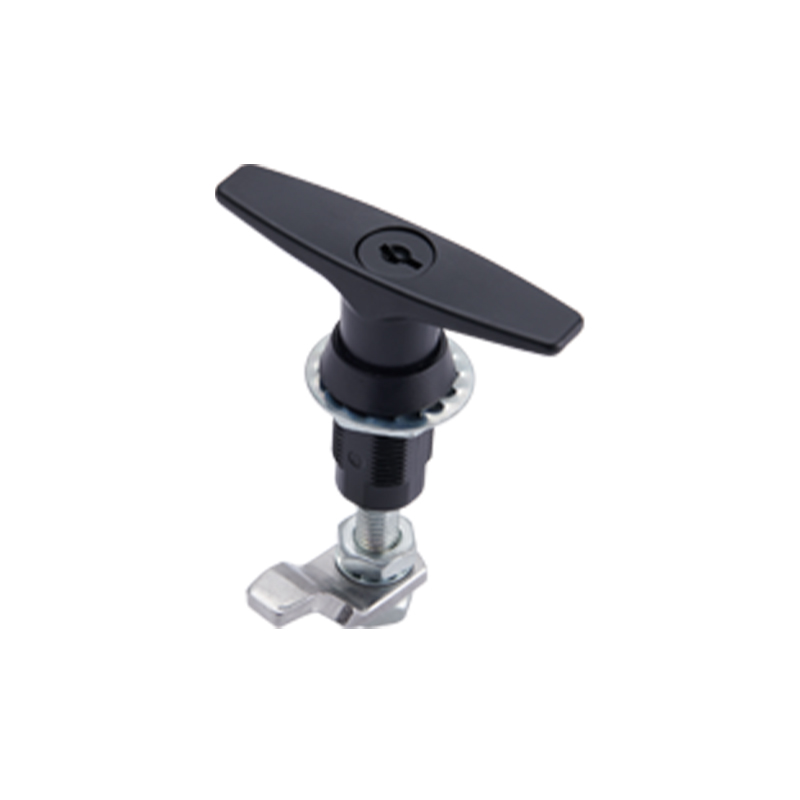

The Role of Compression Latch Locks in Improving Industrial Security
Industrial security is a critical concern for businesses across various sectors, from manufacturing and transportation to technology and energy. With the increasing complexity of industrial environments, ensuring the safety and protection of equipment, assets, and personnel is a priority. One often overlooked but essential component of industrial security is the locking mechanism used to secure enclosures, containers, and machinery. Among these, Compression Latch Locks stand out as a reliable and versatile solution. In this section, we will explore the role of compression latch locks in improving industrial security, how they function, and their benefits in various industrial applications.
What Are Compression Latch Locks?
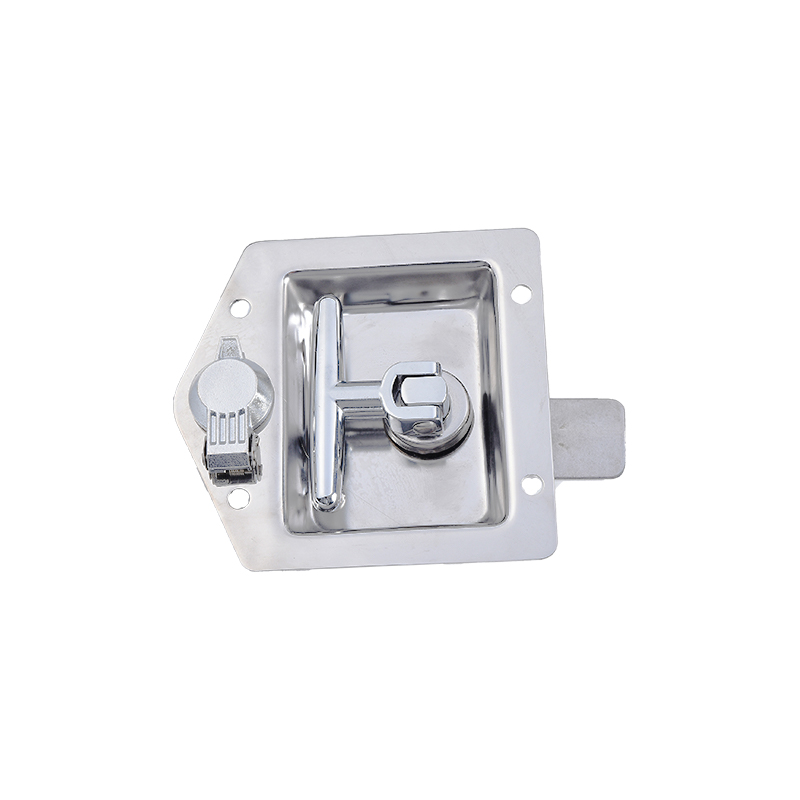
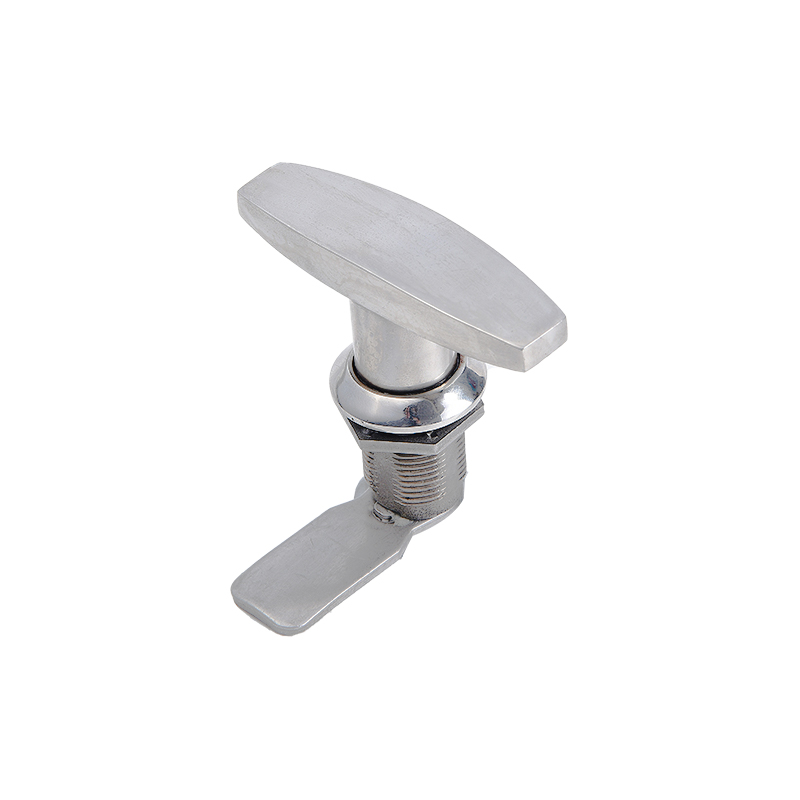
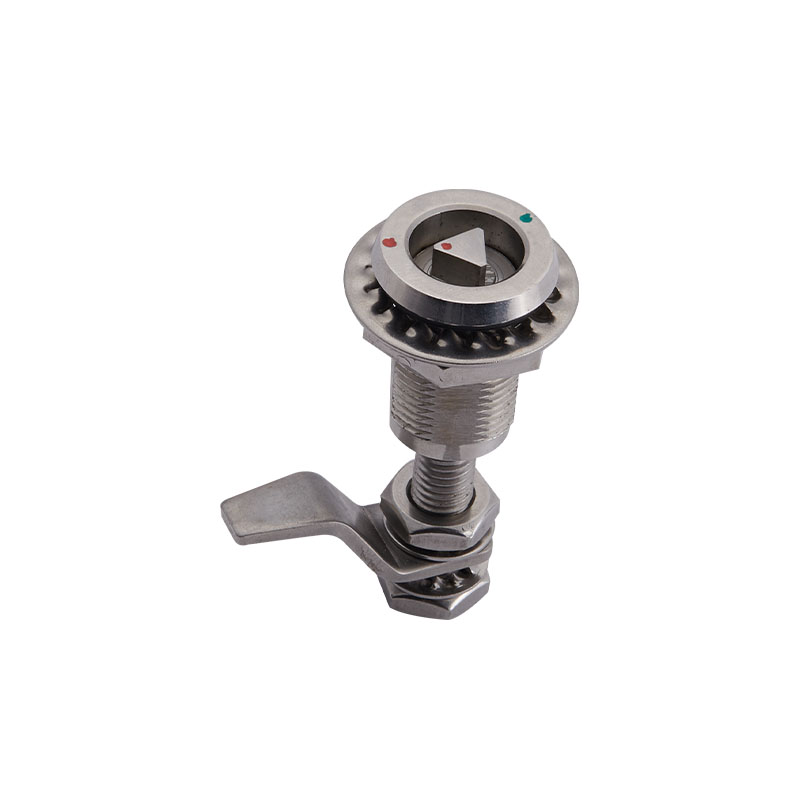
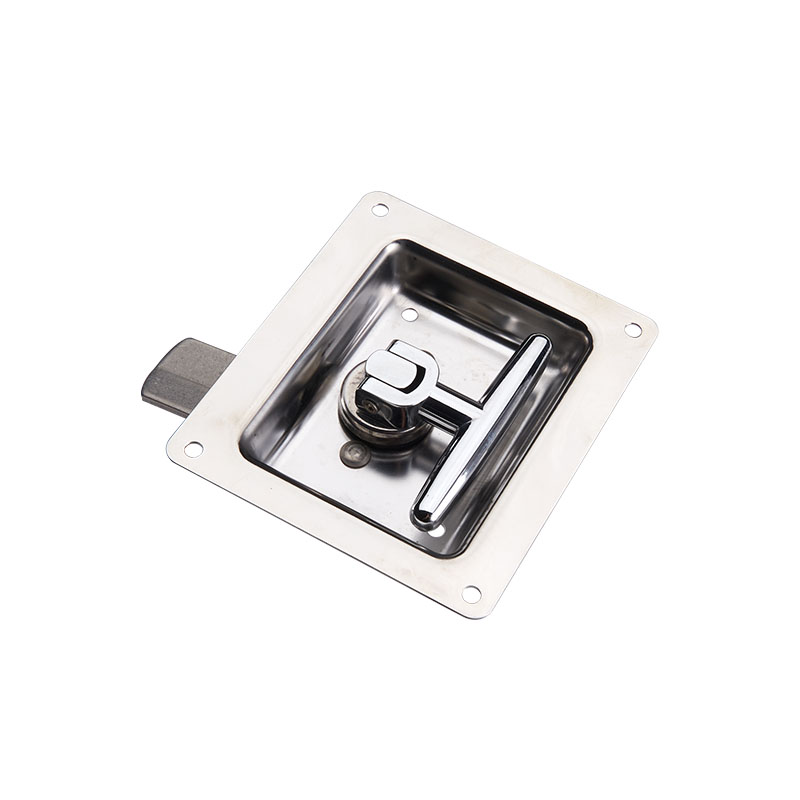
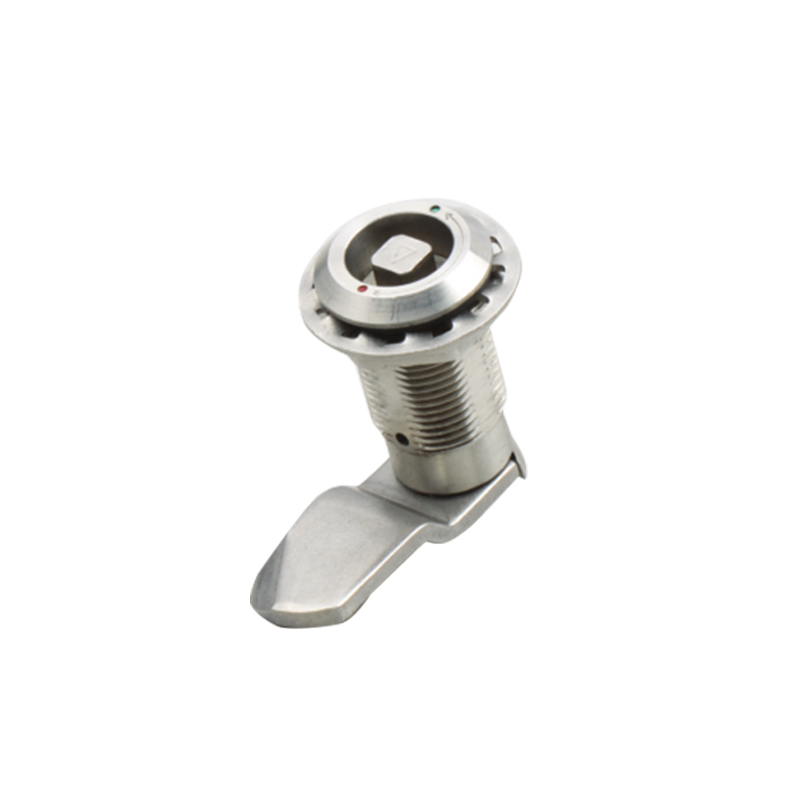
Compression latch locks are a specialized type of locking mechanism designed to provide both security and sealing properties. Unlike traditional locks, which typically only secure a door or hatch, compression latch locks apply a compressive force to the sealing mechanism, ensuring a tight closure. This unique feature makes them particularly suitable for environments where contamination, moisture, dust, and temperature changes are concerns.
The mechanism of compression latch locks involves a rotating handle or lever that engages a cam to apply pressure to a gasket or seal. This not only locks the enclosure but also compresses the seal, which helps create an airtight, waterproof, or dustproof barrier. Compression latch locks are often used in applications where protection against environmental factors is as important as security.
Improving Industrial Security with Compression Latch Locks
Industrial security isn't just about preventing unauthorized access; it also involves safeguarding critical equipment from damage, environmental factors, and external tampering. Compression latch locks offer several advantages in this regard:
1. Enhanced Protection Against Unauthorized Access
In industrial settings, unauthorized access can lead to theft, sabotage, or accidents. Compression latch locks provide a higher level of security compared to traditional locks, especially in high-risk environments. These locks are designed to be tamper-resistant, making them difficult for unauthorized personnel to bypass. The use of durable materials such as stainless steel further enhances the strength of the lock, ensuring that it remains intact in the face of forceful attempts to break it.
Many compression latch locks are equipped with features like keyless entry options, which allow for increased convenience without sacrificing security. Electronic compression latch locks, for example, can be integrated with biometric systems, RFID cards, or digital codes, ensuring only authorized individuals can gain access. This adds a layer of flexibility while still maintaining a secure environment.
2. Prevention of Environmental Damage
One of the biggest challenges faced by industrial organizations is the protection of equipment and materials from environmental damage. Whether it's moisture, dust, chemicals, or extreme temperatures, certain environments pose significant risks to the integrity of machinery and sensitive equipment. Compression latch locks play a crucial role in providing a tight seal that prevents contaminants from entering storage enclosures, cabinets, or machine compartments.
For instance, when used in enclosures housing electrical components or sensitive electronic equipment, compression latch locks prevent dust, dirt, and moisture from entering, which could cause short circuits or equipment malfunctions. Similarly, in industries such as pharmaceuticals or food processing, where hygiene is critical, compression latch locks can ensure that contamination is minimized by maintaining a clean, sealed environment.
3. Improved Structural Integrity and Safety
In many industrial applications, maintaining the structural integrity of enclosures is essential for both safety and efficiency. Compression latch locks contribute to this by evenly distributing pressure across the entire door or lid, ensuring that it remains securely fastened under various conditions. The compression mechanism creates a uniform force that not only seals the enclosure but also prevents distortion or warping that could occur due to temperature fluctuations, vibrations, or physical impact.
This is particularly important in sectors such as transportation, where cargo containers and transport vehicles must withstand harsh conditions like rough handling or extreme weather. Compression latch locks are designed to handle these stresses, ensuring that doors, panels, and other access points remain tightly sealed and secure throughout the journey.
4. Increased Durability and Long-Term Security
Industrial equipment and machinery often operate in demanding environments where exposure to extreme temperatures, corrosive substances, and physical stress is common. Compression latch locks, particularly those made from corrosion-resistant materials like stainless steel, are built to withstand these harsh conditions. This durability ensures that the locks continue to perform effectively over the long term, offering sustained security and protection.
Unlike traditional locks that may rust, degrade, or become ineffective after prolonged exposure to the elements, compression latch locks are designed to maintain their functionality even in the most challenging environments. This makes them a cost-effective solution for industries where equipment and infrastructure are exposed to constant wear and tear.
5. Enhanced Fire and Explosion Protection
Certain industries, such as oil and gas, chemical processing, and energy, deal with hazardous materials and environments where fire and explosions are risks. In these sectors, it's crucial that containment units, cabinets, and storage areas are sealed tightly to prevent sparks, heat, or hazardous materials from escaping. Compression latch locks contribute to fire and explosion protection by providing a secure seal that helps contain dangerous substances within specific areas.
By preventing the leakage of flammable gases or liquids, compression latch locks reduce the chances of an explosive situation. Moreover, these locks are often designed to withstand high temperatures, ensuring they remain intact and functional during a fire or heat exposure. This ability to resist extreme conditions further enhances the security of industrial settings where fire and explosion risks are prevalent.
Applications of Compression Latch Locks in Industrial Security
Compression latch locks are versatile and widely used across various industries to improve security. Below are some key applications where these locks play an integral role in enhancing industrial security:
1. Electrical and Electronic Enclosures
In industries dealing with sensitive electronic equipment or electrical components, compression latch locks are crucial in ensuring the safety of both personnel and machinery. These locks prevent unauthorized access to electrical enclosures and keep out environmental contaminants that could damage the equipment. Additionally, they help protect against electrical hazards by ensuring that enclosures remain securely sealed.
2. Transportation and Logistics
Compression latch locks are widely used in transportation and logistics to secure cargo containers, trailers, and shipping units. The locks provide an extra layer of security against theft and tampering while ensuring that the container remains sealed during transport, protecting goods from exposure to weather conditions or contaminants.
3. Hazardous Material Storage
In industries such as chemicals, pharmaceuticals, and waste management, secure storage of hazardous materials is a top priority. Compression latch locks are used to ensure that containment units remain sealed and secure, preventing leakage or accidental exposure to dangerous substances. The tight sealing capabilities of these locks also prevent contamination of the surrounding environment.
4. Industrial Machinery and Equipment
Industrial machinery often includes compartments or access points that must be secured to prevent unauthorized tampering or operational disruption. Compression latch locks provide a secure fastening mechanism that ensures compartments remain sealed during operation, reducing the risk of accidents or equipment failure due to environmental exposure.
5. Aerospace and Defense
In the aerospace and defense industries, where sensitive equipment and high-value assets are at risk, compression latch locks are used to secure access panels, storage units, and control systems. These locks provide high security and ensure that critical components are kept safe from external threats or environmental hazards.
Compression Latch Locks: Providing Superior Sealing for Sensitive Equipment
In today’s industrial landscape, securing sensitive equipment and materials from environmental hazards, tampering, or contamination is a critical concern. Equipment used in industries such as electronics, pharmaceuticals, aerospace, and energy demands not only high security but also effective sealing mechanisms to ensure optimal performance and safety. Compression latch locks are designed specifically to address these needs, offering superior sealing that plays a key role in protecting sensitive equipment.
In this section, we’ll explore how compression latch locks provide exceptional sealing for sensitive equipment, highlighting their mechanism, key benefits, applications, and the importance of sealing in maintaining the integrity of critical systems.
What Are Compression Latch Locks?
Compression latch locks are locking mechanisms that combine security with the ability to seal enclosures. Unlike conventional locks, which focus solely on locking doors or panels, compression latches are designed to apply pressure to a sealing gasket or material when the latch is engaged. This compression creates an airtight, watertight, or dustproof barrier, ensuring that the contents within the enclosure remain safe from external elements.
The essential difference between compression latches and traditional locks lies in their dual functionality. While a conventional lock prevents unauthorized access, a compression latch goes further by ensuring that the equipment or material inside an enclosure remains unaffected by external environmental factors, such as moisture, dust, vibrations, or contaminants. This makes them ideal for applications where sealing is as important as security.
The Sealing Mechanism of Compression Latch Locks
The sealing function of compression latch locks is achieved through a clever mechanism that combines pressure, a gasket, and the physical design of the latch itself. Here's how it works:
-
Rotating Handle or Lever: The compression latch typically features a rotating handle or lever that is operated to engage the locking mechanism. As the handle is turned or pressed, it moves a cam inside the lock mechanism.
-
Cam Mechanism: The cam mechanism is designed to push the latch inward, applying pressure on the enclosure door or panel. This pressure compresses a rubber or silicone gasket that runs along the edges of the door or lid.
-
Compression of the Seal: As the latch is engaged and pressure is applied, the gasket compresses, filling any small gaps between the panel and the enclosure. This ensures a tight seal, preventing the ingress of dust, moisture, chemicals, or other contaminants that could damage the contents inside.
-
Secure Locking: While the primary purpose of the compression latch is to create a seal, it also functions as a secure locking device. The lock mechanism ensures that the enclosure remains securely closed, preventing unauthorized access while also providing the environmental protection needed for sensitive equipment.
Key Benefits of Compression Latch Locks in Sealing Sensitive Equipment
1. Protection Against Contamination
In industries like electronics, pharmaceuticals, and food processing, contamination can be catastrophic. Sensitive equipment can malfunction, or products can be rendered unusable if they come into contact with contaminants like dust, moisture, or foreign particles. Compression latch locks play a crucial role in preventing contamination by providing a tight, reliable seal.
For example, in the electronics industry, moisture can cause short circuits, rust, or damage to delicate components. In pharmaceutical manufacturing, contaminants can lead to product recalls or regulatory non-compliance. Compression latches, by tightly sealing the enclosures, keep contaminants at bay, ensuring that sensitive equipment remains protected.
2. Moisture and Water Resistance
Moisture and water are among the most common environmental hazards that threaten the integrity of sensitive equipment. Excess moisture can cause electrical shorts, corrosion, or even complete equipment failure. For industries that operate in humid or wet environments, such as marine, transportation, or outdoor applications, waterproofing and moisture resistance are essential.
Compression latch locks provide a waterproof seal that prevents water or humidity from entering enclosures. The compression of the gasket ensures that the door or panel is completely sealed, creating a barrier against water ingress. This is particularly useful in industries like marine shipping, where equipment is constantly exposed to seawater, or in energy sectors that deal with hazardous materials in environments subject to high humidity levels.
3. Dust and Particle Protection
Dust, dirt, and airborne particles are common contaminants in many industrial environments, especially in manufacturing, mining, or construction. These particles can damage delicate internal components, cause malfunctioning, or even pose health risks if they contaminate certain products. Compression latch locks are invaluable in protecting against such risks by ensuring a dustproof seal.
The tight compression created by these locks prevents dust from entering enclosures, keeping internal equipment safe from particulate damage. Whether it’s machinery, electronics, or chemical storage units, compression latches can help maintain operational efficiency by safeguarding sensitive equipment from dust and other particles.
4. Temperature and Thermal Protection
Certain industrial applications require the protection of sensitive equipment from temperature fluctuations. In industries like aerospace, energy, or automotive, temperature control is vital to ensuring the proper functioning of machinery and equipment. Exposure to extreme heat or cold can cause components to fail or become inefficient.
Compression latch locks are designed to withstand temperature changes, ensuring that the seal remains intact regardless of environmental conditions. This is especially important for equipment that operates in extreme temperatures, such as aerospace components exposed to freezing altitudes or industrial machinery in hot climates. The pressure provided by the latch helps maintain the integrity of the seal, even in the face of temperature-related expansion or contraction.
5. Enhanced Safety
Beyond environmental protection, compression latch locks contribute to the safety of personnel working in industrial environments. For example, in chemical processing plants or hazardous material storage, it’s crucial to prevent accidental exposure to toxic substances or gases. A secure, airtight seal prevents leakage of harmful chemicals, ensuring that safety standards are met.
The sealing function of compression latches also helps prevent accidental opening of equipment or compartments that might contain hazardous materials, which could pose safety risks to workers. By ensuring that doors or panels remain tightly sealed, compression latches support a safe working environment, reducing the likelihood of accidents and contamination.
Applications of Compression Latch Locks for Sensitive Equipment
Compression latch locks are used in a variety of industries where sealing is critical to maintaining the integrity and security of sensitive equipment. Below are some key applications:
1. Electronics and Electrical Enclosures
In the electronics industry, sensitive components such as circuit boards, semiconductors, and electrical controls must be protected from moisture, dust, and other environmental contaminants. Compression latch locks are commonly used in electrical enclosures to maintain a dry, dust-free environment. This protection helps to prevent failures caused by corrosion, dirt buildup, or moisture exposure.
2. Aerospace and Aviation
The aerospace industry relies heavily on equipment that must be sealed to protect against extreme temperatures, dust, moisture, and air pressure changes. Compression latch locks are used on various aerospace components, such as cargo doors, control panels, and equipment hatches, to provide a secure seal. These locks ensure that sensitive instruments and components are protected from environmental damage during flight and transportation.
3. Pharmaceuticals and Food Processing
In industries like pharmaceuticals and food processing, contamination from environmental factors such as dust, moisture, and bacteria can lead to serious consequences. Compression latch locks help maintain the cleanliness and integrity of sensitive equipment in these industries, ensuring that products are not contaminated and remain compliant with health regulations.
4. Marine and Offshore Applications
Marine and offshore industries face constant exposure to seawater, high humidity, and harsh weather conditions. Compression latch locks are widely used in these environments to secure equipment compartments, storage units, and control panels. Their ability to provide a waterproof seal ensures that equipment remains protected from the corrosive effects of seawater and moisture, extending the lifespan of valuable machinery.
5. Industrial Machinery and Equipment
In industrial settings where equipment operates in dusty, dirty, or humid environments, compression latch locks help protect sensitive machinery from wear and tear caused by contaminants. Whether in construction, mining, or manufacturing, these locks ensure that machinery enclosures are sealed tightly, preventing dust, moisture, or debris from entering and damaging critical components.
Why Compression Latch Locks Are Essential for Protecting Industrial Machinery
Industrial machinery forms the backbone of many industries, from manufacturing and transportation to energy production and aerospace. These machines are critical to production processes, often operating under extreme conditions that expose them to a range of environmental risks. In these settings, ensuring the security and protection of the machinery from environmental hazards, tampering, and unauthorized access is vital. Compression latch locks are one of the most effective locking and sealing solutions for safeguarding industrial machinery.
In this section, we will explore why compression latch locks are essential for protecting industrial machinery, discussing their features, benefits, and the unique advantages they offer in various industrial applications.
What Are Compression Latch Locks?
Compression latch locks are locking mechanisms designed to secure and seal doors, panels, or access points on machinery or enclosures. Unlike traditional locks that focus solely on securing the closure, compression latch locks also apply pressure to a sealing gasket or material, which creates a tight seal around the enclosure. This compression ensures that the enclosure is protected not only from unauthorized access but also from environmental factors such as dust, moisture, heat, and chemicals that could damage sensitive machinery.
Compression latch locks are commonly used in environments where machines are exposed to harsh conditions, and maintaining a secure, sealed environment is necessary to ensure optimal operation and prevent equipment failure.
How Compression Latch Locks Protect Industrial Machinery
The unique mechanism of compression latch locks makes them particularly valuable in safeguarding industrial machinery. Here's a breakdown of how these locks contribute to machinery protection:
1. Sealing Against Contaminants
Industrial machinery, especially in sectors like manufacturing, electronics, pharmaceuticals, and food processing, often operates in environments where contaminants such as dust, dirt, chemicals, or water are a constant threat. These contaminants can compromise the functionality of machinery, leading to malfunctions, corrosion, or even complete failure of critical components.
Compression latch locks ensure that machinery compartments remain sealed tightly, preventing contaminants from entering. The compression mechanism applies pressure to a gasket or seal, creating an airtight, watertight, and dustproof barrier. This protection is vital for ensuring that the internal components of industrial machinery, such as electrical systems, circuit boards, or mechanical parts, remain clean and free from debris that could impede their operation.
2. Protection from Moisture and Water Damage
Water is one of the most common causes of damage to industrial machinery, especially in environments where equipment is exposed to rain, humidity, or wet conditions. Water can cause electrical shorts, rust, and corrosion, which ultimately lead to costly repairs and downtime.
Compression latch locks provide an effective solution by offering a waterproof seal that prevents water and moisture from entering machinery enclosures. Whether it's equipment used in outdoor construction, marine environments, or any setting prone to humidity, these locks ensure that machinery remains dry and protected from water damage. By maintaining a secure seal, compression latches safeguard the internal components of machinery from moisture-related issues, thus enhancing the longevity and reliability of the equipment.
3. Vibration and Shock Protection
Industrial machinery is often subjected to vibrations, shocks, and physical stresses, which can loosen components, damage seals, or lead to parts becoming dislodged. In such environments, it's essential to have locking mechanisms that not only secure access points but also maintain the integrity of the machinery's structure.
Compression latch locks are designed to maintain a tight seal even in environments subject to vibrations or shocks. By applying consistent pressure to the seal, they prevent the enclosure from becoming misaligned or damaged due to movement or impacts. This feature is particularly useful in industries such as transportation (trucks, trains, or ships), where equipment is exposed to constant movement, and in manufacturing or mining, where vibrations are part of the daily operation.
4. Protection from Dust and Particles
In many industrial applications, equipment is exposed to dusty environments, such as those found in mining, construction, or agricultural sectors. Dust and fine particles can infiltrate machinery, leading to wear and tear, mechanical breakdowns, and the risk of contamination in sensitive systems. For example, dust can cause overheating of motors, clog ventilation systems, or even damage electronic components.
Compression latch locks help prevent these issues by sealing the access points of machinery, thus ensuring that no dust or particles can enter. The gasket that compresses when the latch is engaged creates an effective barrier that blocks dust and dirt, keeping internal components clean and functional. This is especially important for machinery that requires high precision and cannot afford to be exposed to contaminants.
5. Enhanced Security Against Unauthorized Access
While the primary function of compression latch locks is to seal machinery against environmental factors, they also provide a high level of security against unauthorized access. In industrial settings, machinery can contain valuable, proprietary, or sensitive components that need to be protected from theft or sabotage. Compression latch locks offer an additional layer of security compared to traditional locks, as they are often tamper-resistant and difficult to bypass.
Many compression latch locks are designed with features like keyless entry, electronic access control, or multi-point locking mechanisms, which increase the security level. This makes them ideal for industries where preventing unauthorized access is as crucial as protecting against environmental factors. Whether it’s a high-value production machine or a hazardous materials storage unit, compression latches ensure that only authorized personnel can access critical equipment.
6. Temperature Resistance and Thermal Protection
In some industrial settings, machinery operates in extreme temperature conditions. These can range from high temperatures in the manufacturing of metals or glass to low temperatures in refrigeration and cryogenic industries. Temperature fluctuations can cause seals to degrade, mechanical parts to expand or contract, or materials to lose their effectiveness.
Compression latch locks are designed to withstand temperature extremes and maintain a secure seal under fluctuating conditions. The compression seal remains effective even as temperatures rise or fall, ensuring that sensitive machinery remains protected from thermal stress, moisture accumulation due to condensation, or degradation of seals. This capability is especially important in industries such as aerospace, energy, or food processing, where precise temperature control is critical for optimal machinery performance.
The Key Benefits of Compression Latch Locks for Industrial Machinery
Compression latch locks offer numerous advantages for the protection of industrial machinery, contributing not only to equipment security but also to overall operational efficiency. Here are some of the most important benefits:
1. Increased Longevity of Machinery
By providing superior sealing, compression latch locks help extend the lifespan of industrial machinery. Preventing contaminants like dust, moisture, and chemicals from entering the machinery reduces the likelihood of corrosion, mechanical failure, or contamination. This translates to fewer maintenance costs and longer intervals between repairs, ultimately improving the overall longevity of the equipment.
2. Reduced Downtime and Operational Disruptions
Machinery downtime can be costly, both in terms of lost productivity and repair costs. Compression latch locks help reduce downtime by ensuring that equipment remains sealed and protected from environmental hazards. This protection helps prevent unexpected breakdowns, allowing machinery to operate efficiently without disruption. In industries with continuous production processes, the reliability of machinery is critical, and compression latch locks help maintain that reliability.
3. Improved Compliance with Industry Standards
Many industries are subject to strict regulations regarding safety, hygiene, and environmental protection. Compression latch locks help companies meet these requirements by ensuring that machinery and enclosures are sealed in a way that prevents contamination and environmental risks. Whether it's in food processing, pharmaceuticals, or hazardous material handling, having a reliable sealing mechanism can help companies comply with regulatory standards, avoiding fines and ensuring safe, efficient operation.
4. Enhanced Safety for Workers
The safety of workers is a top priority in industrial environments, particularly when dealing with hazardous materials, electrical systems, or high-pressure machinery. Compression latch locks play a role in ensuring safety by preventing accidental exposure to dangerous substances or preventing access to machinery that could pose a safety risk. For example, machinery enclosures housing electrical components can be tightly sealed to prevent electrical shocks, while enclosures containing hazardous materials can be securely locked to prevent leakage or contamination.
5. Energy Efficiency and Temperature Control
In some industrial processes, energy efficiency and temperature control are essential to maintaining optimal machinery performance. Compression latch locks help by preventing heat loss or gain, as their tight seals ensure that temperature-controlled environments remain stable. This can be critical in industries like energy production, pharmaceuticals, and food processing, where temperature fluctuations could impact both the quality of products and the performance of machinery.
Applications of Compression Latch Locks in Industrial Machinery
Compression latch locks are used across a wide range of industrial machinery applications, including:
-
Manufacturing Equipment: Used to secure enclosures and compartments that house electrical components, sensitive machinery, or hazardous materials.
-
Aerospace and Defense: Ensures secure, airtight seals for components and storage units on aircraft, spacecraft, or military equipment.
-
Transportation: Protects valuable or sensitive machinery in vehicles, including trucks, trailers, and ships, ensuring that equipment remains secure during transit.
-
Energy and Utilities: Secures machinery in power plants, wind farms, and renewable energy systems, protecting equipment from environmental damage and ensuring operational efficiency.
-
Food and Beverage Processing: Prevents contamination in machinery used in food production, ensuring hygiene and product safety.
How Compression Latch Locks Prevent Contamination and Damage in Harsh Environments
Industrial environments are often harsh, with equipment exposed to various contaminants like dust, moisture, chemicals, and extreme temperatures. In these conditions, protecting sensitive machinery and critical components is crucial for maintaining operational efficiency, safety, and longevity. Compression latch locks have emerged as a robust solution to prevent contamination and damage in such environments. These locks provide both security and a superior sealing function that prevents external elements from affecting the integrity of equipment.
In this section, we will explore how compression latch locks work to prevent contamination and damage in harsh environments, focusing on their mechanism, key benefits, applications, and the crucial role they play in industrial settings.
What Are Compression Latch Locks?
Compression latch locks are locking mechanisms designed not only to secure doors, panels, or enclosures but also to provide an airtight, dustproof, or waterproof seal. Unlike traditional locks that merely prevent access, compression latch locks create a sealing force when engaged, applying pressure to a gasket or seal around the access point. This compression ensures that no contaminants—whether dust, moisture, chemicals, or other environmental hazards—can enter the enclosure.
The primary function of compression latch locks is to offer a combination of security and environmental protection. The seals are typically made of durable materials like rubber, silicone, or other weather-resistant compounds that provide long-term protection against the elements.
How Compression Latch Locks Prevent Contamination
Contamination is a significant concern in many industries, particularly in environments where equipment needs to remain free from dust, dirt, moisture, and chemicals. Sensitive machinery and electronics are particularly vulnerable to damage from contaminants, which can cause malfunctions, decreased performance, and even failure. Compression latch locks play an essential role in mitigating these risks.
1. Dust and Dirt Prevention
Many industrial sectors, such as mining, construction, and manufacturing, expose machinery to large quantities of dust, dirt, and other particulate matter. In these environments, dust can infiltrate machinery, clogging ventilation systems, interfering with moving parts, or damaging electronic components. Fine particles can cause overheating by insulating heat-sensitive components or creating friction between mechanical parts.
Compression latch locks offer an effective way to prevent dust and dirt from entering machinery enclosures. The seal created by the latch applies pressure to the enclosure's door, ensuring that any gaps are filled, creating a dustproof barrier. The result is that machinery remains free from harmful dust and debris, which significantly reduces the risk of mechanical failure and maintains the equipment's functionality.
These locks are often used in environments where cleanliness and precision are critical, such as in electronics, aerospace, and pharmaceutical industries. The ability to create a dust-tight seal is crucial in preventing contamination that could compromise the performance and safety of the equipment.
2. Moisture and Water Resistance
Moisture is one of the most damaging environmental factors for industrial machinery. Even small amounts of water or humidity can cause corrosion, rust, and short circuits, particularly in sensitive electrical and mechanical components. In industries like marine transportation, outdoor construction, and energy production, where equipment is exposed to rain, humidity, or direct water contact, preventing moisture ingress is essential for ensuring the longevity of the machinery.
Compression latch locks provide a highly effective moisture and water resistance solution. By creating a tight seal around the enclosure, they prevent water or moisture from entering the machinery. The rubber or silicone gasket used in compression latch locks ensures that even when exposed to high humidity, rain, or direct water contact, the internal components of the machinery remain dry.
The tightness of the seal is critical in preventing water from reaching sensitive equipment, such as electrical panels, circuit boards, or mechanical components. This level of protection helps prevent damage such as rust, electrical shorts, and corrosion, all of which can cause costly repairs and downtime.
3. Chemical Protection
In many industrial settings, machinery and equipment come into contact with chemicals, whether through spills, fumes, or airborne vapors. Chemical exposure can damage both the internal and external components of machinery, causing degradation of materials, corrosion, or even complete failure. Industries such as chemical processing, pharmaceuticals, and oil and gas face particularly high risks of chemical contamination.
Compression latch locks are highly effective at preventing chemical ingress. The sealing gasket applied by the compression latch creates a barrier that resists the penetration of chemical substances. In environments where corrosive chemicals are used or stored, the compression latch lock helps protect sensitive machinery from the harmful effects of these substances.
The seals used in compression latches are often made from materials that are resistant to a wide range of chemicals, ensuring that the lock remains intact even in challenging chemical environments. By maintaining a tight seal, the compression latch locks help to protect both the machinery and the personnel working around it from hazardous chemical exposure.
4. Protection from Dust and Moisture in High-Pressure Environments
In high-pressure environments such as oil rigs or energy production plants, contaminants like dust, moisture, and even gases can infiltrate machinery, affecting both its performance and safety. Compression latch locks, when used in these environments, provide a reliable means of protecting equipment by maintaining a robust seal that prevents contaminants from entering under high-pressure conditions.
For example, in offshore oil rigs, equipment is constantly exposed to seawater, salt, and moisture, all of which can quickly degrade machinery if not properly sealed. Compression latch locks ensure that electrical panels, storage compartments, and control systems remain sealed against these elements, preventing damage caused by exposure to saltwater and moisture.
These locks also provide an extra layer of security by ensuring that high-pressure enclosures maintain their integrity, preventing the escape of gases or fluids, which could lead to dangerous situations such as leaks or explosions.
How Compression Latch Locks Prevent Damage
In addition to preventing contamination, compression latch locks play a vital role in protecting machinery from physical damage caused by external factors like vibrations, temperature fluctuations, and impacts. These locks are designed to maintain a secure, tight closure, ensuring that equipment is protected from both environmental and physical stress.
1. Vibration and Shock Resistance
Industrial machinery, particularly in the automotive, aerospace, and construction sectors, often operates in environments where vibrations and shocks are prevalent. These physical stresses can cause equipment to become misaligned, leading to malfunctions, loosening of seals, and damage to sensitive components.
Compression latch locks help prevent such damage by providing a consistent, even compression along the edges of the enclosure. The gasket or seal remains tightly compressed, even in the presence of vibrations or shocks, ensuring that the enclosure stays securely closed and that the equipment inside remains unaffected by external movements.
By maintaining a secure seal under vibration and shock conditions, compression latches help protect sensitive equipment from mechanical failure and maintain the reliability of the machinery.
2. Protection from Temperature Fluctuations
Temperature fluctuations can cause materials to expand and contract, which may lead to gaps or misalignment in machinery enclosures. For example, extreme heat can cause seals to degrade or become ineffective, while extreme cold can cause them to shrink or crack. Both conditions can compromise the integrity of the machinery and reduce its lifespan.
Compression latch locks are designed to maintain their sealing effectiveness even under extreme temperature conditions. The seals used in these locks are made from materials that can withstand high and low temperatures without losing their flexibility or integrity. This ensures that, whether exposed to intense heat or freezing cold, the compression latch remains tightly engaged, providing consistent protection against environmental factors.
In industries such as aerospace, energy production, or food processing, where machinery is often exposed to extreme temperatures, compression latches play a crucial role in ensuring that equipment remains sealed and protected from temperature-related damage.
3. Impact Resistance
Industrial machinery is frequently exposed to impacts, whether from rough handling during transportation, machinery collisions, or falling objects in busy work environments. Impacts can cause enclosures to become misaligned or damaged, leading to leaks, exposure to contaminants, or even complete structural failure of the equipment.
Compression latch locks are designed with impact-resistant materials and mechanisms that ensure the integrity of the seal is maintained even after exposure to physical impacts. The locking mechanism is built to absorb shocks, keeping the enclosure securely closed and preventing it from opening or becoming dislodged during impact.
This capability is particularly valuable in industries where equipment is subject to constant physical stress, such as construction, mining, or heavy equipment manufacturing.
Applications of Compression Latch Locks in Harsh Environments
Compression latch locks are utilized in a wide range of industrial applications where contamination and damage prevention are critical. Some of the key industries and settings where these locks are applied include:
1. Electronics and Electrical Equipment
In electronics manufacturing and electrical systems, sensitive components such as circuit boards, power supplies, and controllers need to be protected from dust, moisture, and chemicals. Compression latch locks are used to seal enclosures that house these components, ensuring they remain clean and free from contaminants.
2. Aerospace and Defense
In aerospace and defense applications, compression latch locks are employed to protect sensitive components and equipment from environmental factors such as moisture, dust, and extreme temperatures. These locks are used to secure access panels, control systems, and storage compartments on aircraft, spacecraft, and military vehicles.
3. Marine and Offshore Applications
Compression latch locks are crucial for protecting equipment in marine and offshore environments, where exposure to seawater, salt, and high humidity is constant. These locks provide a waterproof seal for electrical panels, storage containers, and machinery used on ships, oil rigs, and other offshore platforms.
4. Food Processing and Pharmaceuticals
In the food processing and pharmaceutical industries, contamination from dust, dirt, moisture, and chemicals can have serious consequences. Compression latch locks are used to seal machinery and storage units in these industries, ensuring that products remain safe and free from contaminants.