language
  Español

Introduction of Stainless Steel Cabinet Locks
What Are Stainless Steel Cabinet Locks?
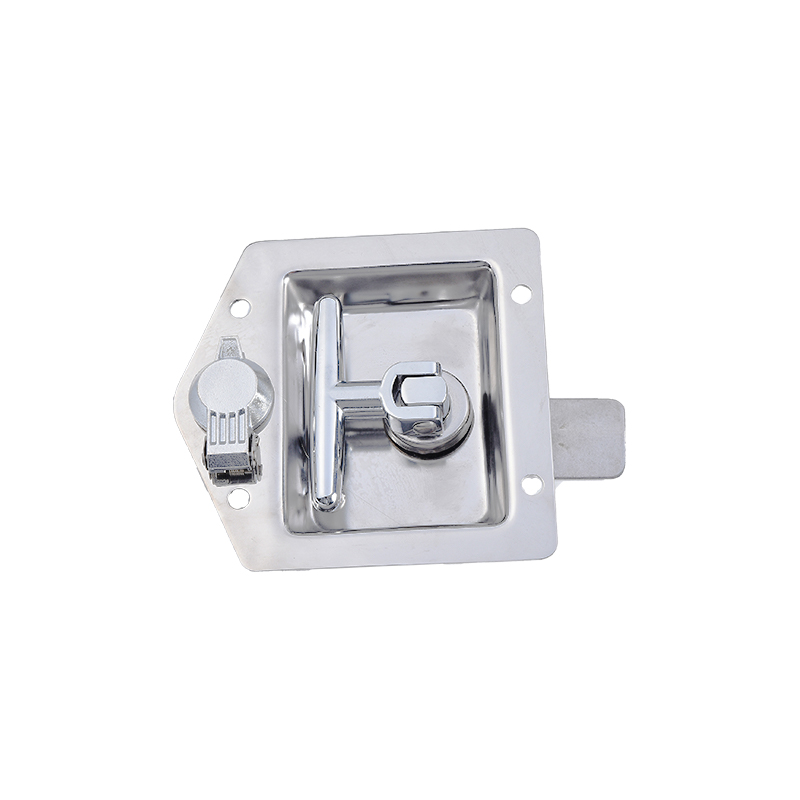
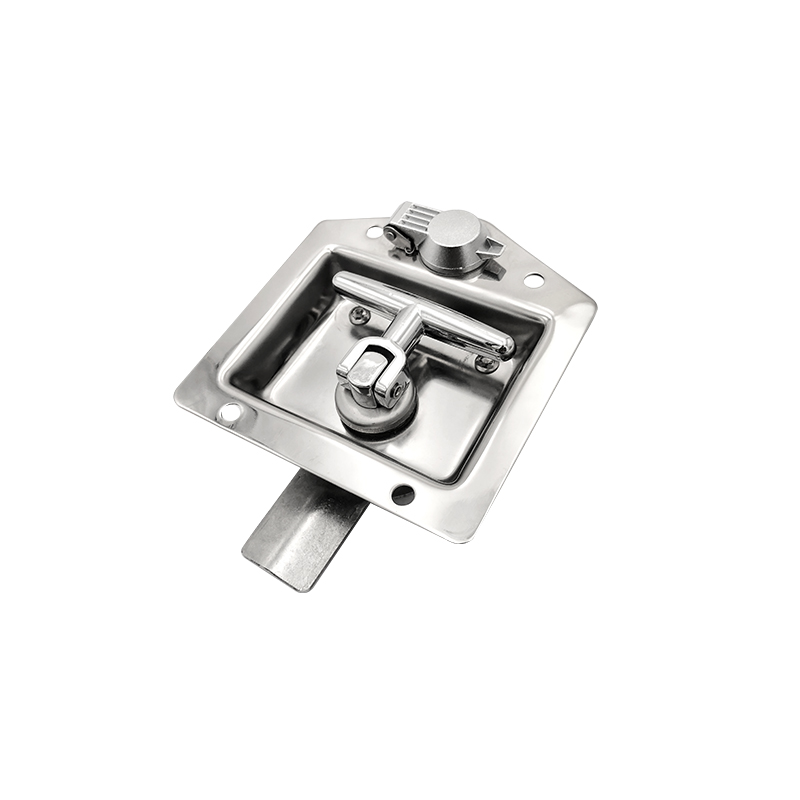
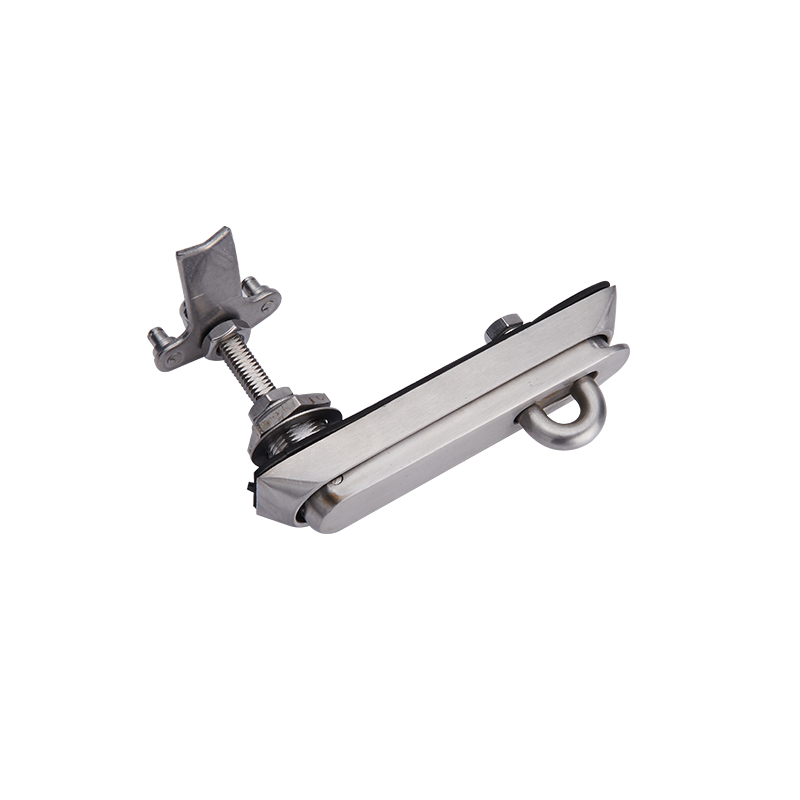
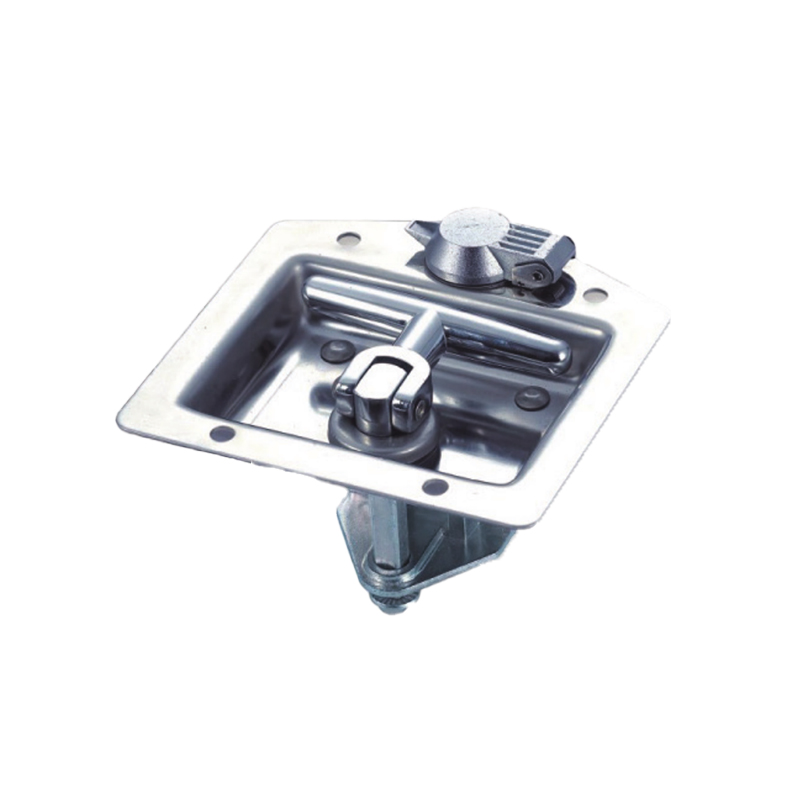
Stainless steel cabinet locks are essential hardware components designed to secure cabinets, drawers, and other types of storage units. Made from stainless steel, these locks offer enhanced protection for items stored in cabinets, whether in homes, offices, or commercial spaces. They are engineered to provide reliable security and durability, ensuring that your cabinets remain secure under various conditions. The material’s corrosion resistance makes it particularly suitable for use in areas that experience high humidity or exposure to elements such as kitchens, bathrooms, or outdoor storage spaces.
The Importance of Stainless Steel Cabinet Locks
The importance of stainless steel cabinet locks lies in their ability to provide strong and reliable security for both personal and professional spaces. When it comes to protecting valuable items, sensitive documents, or hazardous materials, a secure lock is crucial. Stainless steel locks not only offer physical security but also help ensure that the contents of your cabinets remain protected from unauthorized access. Whether used in the home or in industrial applications, these locks contribute to overall safety and security.
Benefits of Stainless Steel Cabinet Locks
Security
One of the primary reasons for using stainless steel cabinet locks is their ability to enhance cabinet security. These locks are designed to resist tampering and unauthorized access, making them ideal for both residential and commercial use. Stainless steel’s robust nature ensures that the lock mechanism remains intact, even under pressure or force. For homes with valuable items or businesses storing confidential materials, having a reliable lock system in place is essential for safeguarding assets and preventing theft.
Durability
Durability is a key benefit of stainless steel cabinet locks. Stainless steel is known for its long-lasting nature, which makes it an excellent choice for locks that are exposed to frequent use. Unlike other materials that may wear down over time, stainless steel maintains its strength and functionality for years, reducing the need for replacement or maintenance. Whether it’s a kitchen cabinet lock or an industrial storage lock, the durability of stainless steel ensures that the lock continues to perform effectively over time.
Corrosion Resistance
Stainless steel is highly resistant to corrosion, making it ideal for use in environments that are prone to moisture or humidity. In areas such as kitchens, bathrooms, or near water sources, cabinet locks are exposed to harsh conditions that can cause rusting or deterioration in other materials. Stainless steel, however, remains resistant to rust, even in such environments, ensuring that the lock mechanism remains functional and secure. This corrosion resistance is particularly beneficial for long-term use and in applications where the lock may be subjected to elements such as water, oils, and cleaning agents.
Aesthetics
In addition to their functional benefits, stainless steel cabinet locks also offer aesthetic advantages. The sleek, modern look of stainless steel complements a wide range of cabinet styles and interior designs. Whether in contemporary homes or professional settings, stainless steel locks add a touch of elegance and sophistication. The shiny, polished finish also contributes to a clean, professional appearance, which is especially important in environments where aesthetics are a priority, such as office spaces, hotels, or high-end residential areas.
Types of Stainless Steel Cabinet Locks
Cam Locks
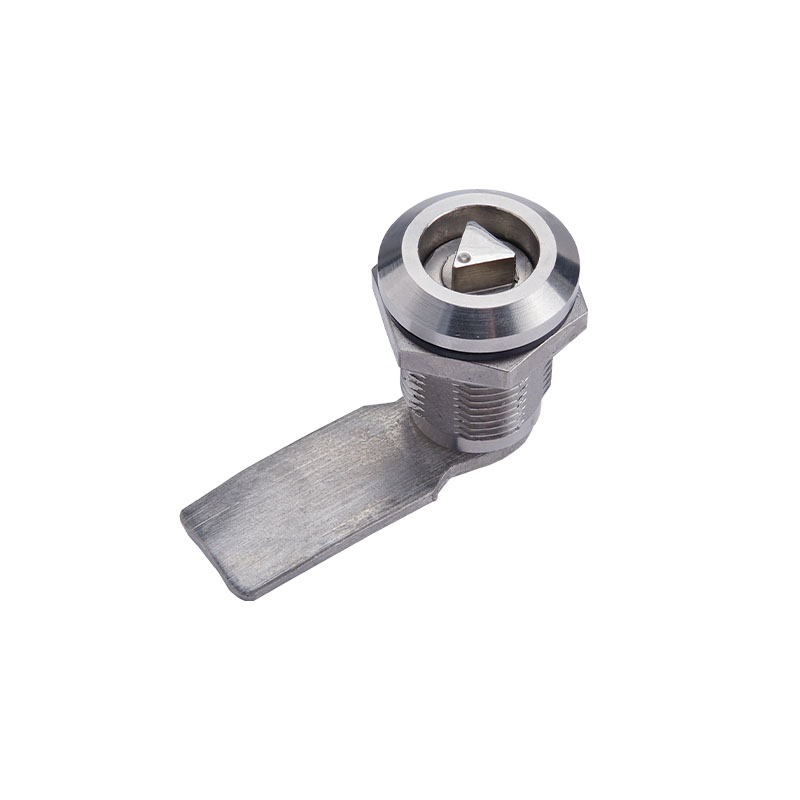
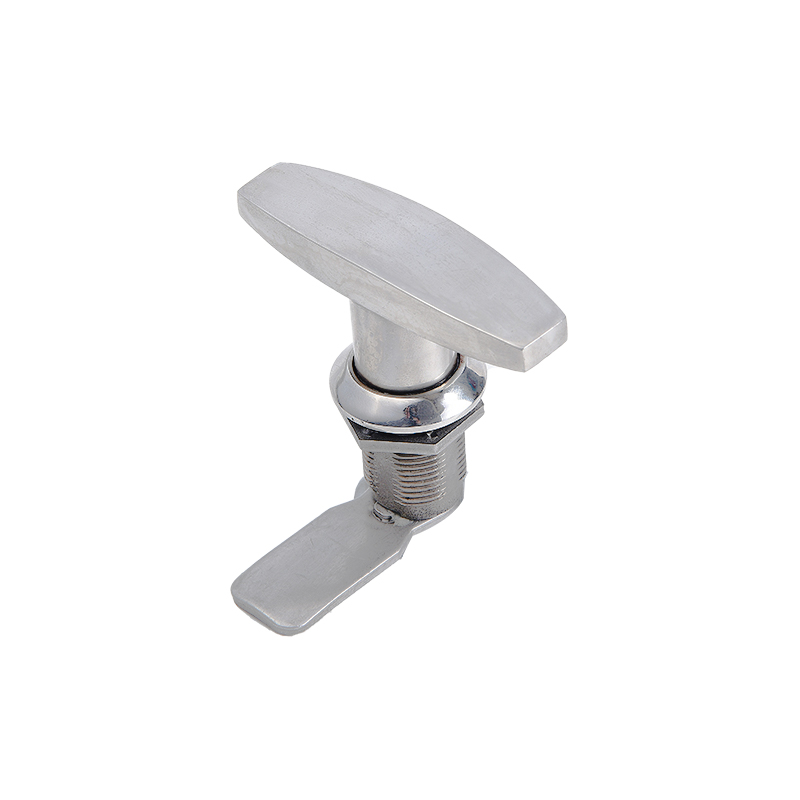
Cam locks are one of the most commonly used types of stainless steel cabinet locks. They are often found in file cabinets, lockers, and storage units. The lock mechanism works by turning a cam (a flat, rotating piece of metal) to engage the locking mechanism. Cam locks are simple to install and provide effective security for cabinets of all sizes. Their compact design makes them ideal for use in cabinets where space is limited. Cam locks are commonly used in office settings, where file cabinets require security but do not require complicated locking systems.
Combination Locks
Combination locks are another popular choice for stainless steel cabinet locks. These locks use a rotating dial or series of buttons that require a specific combination to open. Unlike traditional key locks, combination locks do not require physical keys, making them a convenient option for locations where keys may be lost or misplaced. They are often used in settings where multiple people need access to the same cabinet or drawer, such as shared office spaces, schools, or gyms. The absence of a key makes them a secure option for preventing unauthorized access without the risk of losing keys.
Magnetic Locks
Magnetic locks offer a more advanced locking mechanism using powerful magnets to secure cabinets. These locks are often used in settings where ease of use and quick access are important. Magnetic locks are popular in places like high-traffic commercial areas or homes with children. These locks are typically childproof cabinet locks that require a magnetic key or tool to open. They are highly effective in preventing unauthorized access while offering a smooth, convenient operation for authorized users. Magnetic locks are also known for their silent operation and minimal maintenance requirements.
Applications of Stainless Steel Cabinet Locks
Stainless steel cabinet locks are versatile and can be used in a wide range of applications. These include both residential and commercial uses, where they provide security for various types of cabinets, drawers, and storage units. Below are a few examples of common applications:
Kitchen Cabinet Locks
In the kitchen, stainless steel locks are commonly used to secure cabinets containing cleaning supplies, chemicals, or sharp objects. Kitchen cabinet locks ensure that these items are safely stored and out of reach, particularly in households with young children. They also provide a secure place to store valuable kitchen tools or medications. Stainless steel’s corrosion resistance ensures the lock remains functional even in the humid kitchen environment.
Childproof Cabinet Locks
Childproof cabinet locks are essential for households with young children, especially in areas such as kitchens or bathrooms. These locks prevent children from accessing harmful substances, sharp objects, or potentially dangerous equipment. Stainless steel is an ideal material for childproof locks, as it offers durability and corrosion resistance, ensuring the lock remains functional over time.
Office and Industrial Cabinet Locks
In offices and industrial environments, stainless steel cabinet locks are used to secure file cabinets, storage lockers, and equipment cabinets. These locks protect sensitive documents, valuable tools, and equipment from unauthorized access. Stainless steel’s durability and corrosion resistance ensure that these locks withstand the rigors of daily use in demanding environments.
Why Choose Stainless Steel Cabinet Locks?
Durability and Longevity
Stainless steel cabinet locks are well-known for their durability and long-lasting performance. This strength comes from the unique properties of stainless steel, a material known for its robustness and resistance to wear and tear. Stainless steel is an alloy composed of iron, carbon, and chromium, which gives it an inherent toughness. These characteristics make stainless steel cabinet locks ideal for environments that require reliable and continuous use. Whether installed in homes, offices, or industrial spaces, stainless steel locks can withstand regular use over many years without compromising their security capabilities.
When compared to locks made from other materials, stainless steel locks stand out due to their ability to endure mechanical stress. This is particularly important in high-traffic areas, such as office cabinets, lockers, or commercial storage spaces. The repeated locking and unlocking do not wear down the mechanism, ensuring that your cabinet remains secure over an extended period. The inherent strength of stainless steel means that even under pressure, the lock remains functional, making it a sound investment for long-term security.
Resistance to Wear and Tear
Stainless steel cabinet locks are highly resistant to physical damage caused by external forces. Whether exposed to constant use or rough handling, stainless steel maintains its integrity. This is crucial for applications where locks are frequently accessed, such as in office environments or industrial settings. The durable nature of stainless steel means that it does not easily succumb to the stresses that other materials, like plastic or softer metals, might face over time.
One of the key advantages of stainless steel in locks is its resistance to scratching and denting. Locks made from stainless steel retain their smooth surfaces, keeping them looking new for much longer than locks made from other materials. This resistance to wear not only maintains the functionality of the lock but also preserves its appearance. Whether you're using cam locks, combination locks, or magnetic locks, the strength of stainless steel ensures that the lock remains reliable and visually appealing throughout its use.
Corrosion Resistance
Corrosion is one of the most common issues that affect metal locks, especially in environments where they are exposed to moisture, chemicals, or outdoor elements. Stainless steel, however, offers excellent resistance to corrosion, making it a perfect choice for cabinet locks used in kitchens, bathrooms, and outdoor spaces. The chromium content in stainless steel creates a protective oxide layer on the surface of the metal, which prevents rust and corrosion from forming even when the lock is exposed to water, humidity, or chemicals.
This corrosion resistance ensures that stainless steel cabinet locks maintain their functionality and appearance over time. For instance, kitchen cabinet locks and bathroom cabinet locks often come into contact with moisture or cleaning agents, which can cause locks made from inferior metals to rust or degrade. Stainless steel hardware, however, remains intact, providing a secure and reliable locking mechanism. This feature is especially important for environments like kitchens or industrial applications, where exposure to corrosive substances is frequent.
How Stainless Steel Locks Withstand Moisture and Chemicals
The ability of stainless steel to resist corrosion makes it particularly valuable in areas where it may be exposed to moisture or chemicals. For instance, kitchen cabinets are often exposed to water from sinks, spills, or cleaning processes. Locks made from stainless steel are ideal for these environments because they do not rust or corrode even when exposed to prolonged moisture. Additionally, stainless steel locks are resistant to a range of chemicals, including oils, solvents, and detergents commonly used in cleaning processes.
This resistance ensures that stainless steel cabinet locks, whether they are childproof cabinet locks or locks used in industrial storage units, remain reliable and effective. Even when exposed to harsh conditions, stainless steel locks continue to function smoothly without the need for frequent replacements or maintenance. In contrast, other materials may degrade under similar conditions, leading to a decrease in performance and security over time.
Aesthetic Appeal
Aside from their functional benefits, stainless steel cabinet locks also offer aesthetic advantages. The sleek, modern appearance of stainless steel complements a wide variety of cabinet designs, making it a versatile choice for both residential and commercial spaces. Stainless steel locks add a touch of sophistication to any cabinet or drawer, enhancing the overall visual appeal of the space. Whether installed in kitchens, offices, or industrial facilities, these locks blend seamlessly with different cabinet styles, from contemporary designs to more traditional settings.
The shiny, polished finish of stainless steel is not only aesthetically pleasing but also easy to maintain. The smooth surface of stainless steel locks resists dirt, grime, and fingerprints, making it easier to keep them looking clean and professional. This feature is particularly important in commercial settings, where the appearance of the hardware is as important as its functionality. The clean and sleek look of stainless steel hardware elevates the overall design of a room, making it an excellent choice for those who value both form and function.
Complementing Various Cabinet Styles
Stainless steel cabinet locks are versatile and can complement a wide range of cabinet styles. Whether you have modern kitchen cabinets, vintage storage units, or industrial lockers, stainless steel locks are a fitting choice. Their contemporary design works well with a variety of materials, including wood, glass, and metal, allowing them to integrate effortlessly into any interior decor.
In modern kitchens, for example, stainless steel cabinet locks complement stainless steel appliances, creating a cohesive and unified aesthetic. Similarly, in offices or commercial environments, stainless steel locks provide a sleek and polished look that matches the high-end finishes often found in these spaces. Whether you are looking for kitchen cabinet locks, childproof cabinet locks, or high-security locks for commercial use, stainless steel is a material that enhances both the functionality and visual appeal of the space.
Types of Stainless Steel Cabinet Locks
Cam Locks
Cam locks are one of the most common types of stainless steel cabinet locks. These locks are ideal for securing cabinets and drawers in various environments, including offices, schools, and industrial settings. Cam locks are typically easy to install and use, making them a popular choice for securing personal items or confidential documents. Their robust design ensures that they withstand regular use without compromising security.
Combination Locks
Combination locks offer another level of security for cabinets and storage units. These locks require a specific combination to unlock, which reduces the risk of unauthorized access. Combination locks are commonly used in shared spaces, such as offices, gyms, and schools, where multiple people need access to the same cabinets or lockers. The use of stainless steel ensures that these locks remain durable and resistant to wear over time.
Magnetic Locks
Magnetic locks are an advanced type of locking mechanism that uses magnets to secure cabinets. These locks are particularly useful in environments where quick and easy access is required. Magnetic locks are often used in childproof cabinet locks, ensuring that young children cannot open cabinets containing harmful substances. The sleek design of magnetic locks, combined with the strength and durability of stainless steel, makes them a reliable choice for high-security applications.
Applications of Stainless Steel Cabinet Locks
Home Security
Stainless steel cabinet locks play a crucial role in enhancing home security. Whether it’s in the kitchen, bathroom, or bedrooms, these locks offer a reliable way to secure cabinets and protect valuable items. In the kitchen, stainless steel locks are used to secure cabinets storing cleaning products, knives, and other potentially harmful objects. The durability of stainless steel ensures that the locks will withstand frequent use without compromising security. Kitchen cabinet locks are particularly important for preventing unauthorized access to substances that could pose a risk to children or pets.
Bathroom vanities and medicine cabinets also benefit from the added security provided by stainless steel cabinet locks. Medicine cabinets often store prescription drugs, medications, and other personal health items that need to be kept secure from unauthorized access. Stainless steel locks offer the perfect solution, ensuring that only authorized individuals can access these sensitive materials. The corrosion resistance of stainless steel makes it ideal for environments exposed to moisture, such as bathrooms. Stainless steel locks will not rust or degrade over time, ensuring that they continue to provide reliable protection in high-humidity areas.
Office Security
Stainless steel cabinet locks are widely used in office settings to secure sensitive documents and supplies. In businesses, it is important to safeguard confidential files and office equipment from unauthorized access. Stainless steel locks offer a secure and durable solution to protect these items, reducing the risk of theft or tampering. Whether it’s filing cabinets containing sensitive financial records, HR documents, or personal data, stainless steel locks provide a trustworthy mechanism for securing them.
Office environments, particularly in environments where multiple individuals have access to shared spaces, benefit from the use of high-security cabinet locks. For instance, cam locks and combination locks made from stainless steel are ideal for securing office cabinets. These types of locks ensure that only those with the correct key or combination can access the contents. The strength and durability of stainless steel locks, coupled with their sleek design, make them an attractive and practical option for offices, ensuring that cabinets are secure and aesthetically pleasing at the same time.
Commercial Use
In commercial settings such as restaurants, hospitals, and retail stores, stainless steel cabinet locks are essential for maintaining security and protecting valuable assets. In restaurants, for example, cabinets are used to store ingredients, cleaning supplies, and equipment. Stainless steel cabinet locks help ensure that only authorized personnel can access these storage areas, preventing unauthorized individuals from tampering with the food or chemicals stored inside. The high resistance to corrosion makes stainless steel locks particularly useful in environments where cleaning agents and moisture are common.
In hospitals and healthcare facilities, security is paramount. Stainless steel cabinet locks are commonly used to secure medical cabinets, ensuring that medications, medical supplies, and equipment are kept under lock and key. Many hospitals use stainless steel cam locks or combination locks for cabinets that store controlled substances, ensuring that only authorized staff can access these critical items. In addition, stainless steel locks can help protect patient privacy by securing cabinets that store personal health information.
Retail stores also use stainless steel locks to secure display cabinets, employee storage lockers, and inventory cabinets. The durability and security provided by stainless steel locks protect valuable merchandise and prevent theft. Stainless steel locks are ideal for securing high-end retail displays, where keeping items locked away and tamper-proof is necessary to maintain inventory integrity. Whether used for securing cash registers, product displays, or employee personal items, stainless steel cabinet locks provide a practical solution to enhance security in commercial spaces.
Childproofing
One of the most significant applications of stainless steel cabinet locks is childproofing. Keeping dangerous items out of reach of children is a top priority for many parents. Stainless steel childproof cabinet locks offer a reliable way to secure cabinets that store hazardous substances, sharp objects, or other materials that could be harmful to children. These locks are often used in the kitchen to secure cabinets containing cleaning products, alcohol, or kitchen knives. By installing stainless steel locks on these cabinets, parents can ensure that children cannot access potentially dangerous materials.
In addition to kitchen cabinets, stainless steel locks are also used in bathrooms and utility rooms. Bathrooms often contain cleaning chemicals, razors, and medications, all of which can be harmful if ingested or handled by children. Stainless steel cabinet locks provide a durable and secure solution for these spaces, helping to keep potentially harmful items out of the reach of young ones. The corrosion-resistant properties of stainless steel make these locks ideal for environments that may be exposed to moisture, such as bathrooms and kitchens.
Applications in Different Types of Cabinet Locks
Cam Locks
Cam locks are commonly used in both residential and commercial settings for securing cabinets, lockers, and storage areas. Stainless steel cam locks are particularly useful in securing office filing cabinets, retail displays, and other storage units that require quick and easy access. The robust design of stainless steel ensures that cam locks provide long-term durability, withstanding repeated use without failure. These locks are also commonly used in public spaces to secure personal lockers, making them a versatile option for a variety of applications.
Combination Locks
Combination locks made from stainless steel are widely used to secure cabinets in office, commercial, and industrial settings. They offer an additional layer of security by requiring a specific combination to open, making unauthorized access more difficult. These locks are commonly used in settings where multiple people need access to a shared space, such as gym lockers, school cabinets, or office storage units. Stainless steel combination locks are resistant to wear and tear, ensuring that they remain secure and functional even after years of use.
Magnetic Locks
Magnetic locks are an innovative type of cabinet lock that uses magnets to create a secure seal. These locks are often used in childproof cabinet locks to prevent children from accessing hazardous materials. Stainless steel magnetic locks are particularly effective in preventing unauthorized access to cabinets containing medications, cleaning supplies, or sharp objects. The sleek and modern design of stainless steel magnetic locks makes them a popular choice for contemporary homes and offices, where security and aesthetics are equally important.
Choosing the Right Stainless Steel Cabinet Lock
When selecting stainless steel cabinet locks for various applications, it is important to consider factors such as security requirements, ease of use, and environmental conditions. For example, high-security environments, such as offices or hospitals, may require locks with additional features, such as combination locks or cam locks, to prevent unauthorized access. On the other hand, childproof cabinet locks may need to focus on ease of operation for adults while being difficult for children to open.
In commercial settings, it is essential to choose locks that can withstand frequent use and exposure to moisture, chemicals, or high-traffic environments. Stainless steel locks are ideal for these conditions due to their corrosion resistance and durability. Choosing the right type of lock for each specific need ensures that cabinets remain secure and functional while maintaining the aesthetic appeal of the space.
How to Choose the Right Stainless Steel Cabinet Lock
Assess Your Security Needs
When choosing the right stainless steel cabinet lock, the first step is to assess your security needs. Security requirements can vary significantly depending on the type of cabinet, the environment, and the level of protection needed. For example, home kitchens or bathroom cabinets may require moderate security, while offices or commercial spaces might need higher security to protect valuable or sensitive items. Understanding the level of protection you need will help guide your choice of lock type and mechanism.
For a basic level of security, a simple magnetic lock or a low-security cam lock might suffice. However, for more secure applications, such as safeguarding confidential documents in an office or securing medications in a hospital setting, a more robust locking system, such as a high-security cylinder lock or combination lock, would be ideal. It’s important to consider both the potential threats and the consequences of unauthorized access when determining how much security your cabinet lock needs to provide.
Consider the Cabinet Type
The type of cabinet material and its construction play a crucial role in determining the appropriate lock. Stainless steel cabinet locks are designed to work well with a variety of materials, but the installation process and effectiveness of the lock can differ based on the cabinet's construction. For example, a wooden cabinet might require a different lock mechanism compared to a metal or glass cabinet. When selecting a stainless steel lock, it’s important to ensure that the lock is compatible with the material of the cabinet.
For cabinets made of metal, a cam lock or magnetic lock might be more suitable, as these locks are designed to provide a tight, secure fit. For wooden cabinets, a cylinder lock or childproof cabinet lock may be more appropriate, as these locks can be installed easily and provide reliable security without damaging the wood. The construction of the cabinet also influences whether a surface-mounted lock or an embedded lock would be the better choice. Stainless steel locks can enhance the overall durability of the cabinet, ensuring it remains secure over time.
Evaluate the Locking Mechanism
The locking mechanism of a cabinet lock determines how the lock functions and how secure it will be. There are various types of locking mechanisms available, each with its own advantages and limitations. Cam locks are one of the most common types used for securing cabinets, as they are easy to install, durable, and cost-effective. These locks provide a simple yet secure locking solution and are often used in both residential and commercial settings.
Another popular option is the cylinder lock. These locks offer increased security by using a pin-and-tumbler mechanism, which is harder to pick than a standard cam lock. Cylinder locks are commonly used in office cabinets, commercial storage units, and other high-security applications. Combination locks are another option for those who need an extra layer of security. These locks require a specific combination of numbers to open, making them ideal for locations where multiple individuals need access but should not be allowed to open the cabinet without authorization.
Magnetic locks are another innovative solution, often used in childproof cabinet locks. These locks use magnets to secure the cabinet doors, preventing them from being opened without the appropriate magnetic key or tool. They are ideal for use in homes with young children, as they are both secure and easy for adults to operate. Magnetic locks are also corrosion-resistant, making them well-suited for use in high-humidity environments, such as kitchens and bathrooms.
Check for Certifications
When choosing a stainless steel cabinet lock, it is essential to look for certifications that indicate the quality and security of the product. One of the most important certifications to look for is the ANSI/BHMA grade, which is issued by the American National Standards Institute (ANSI) and the Builders Hardware Manufacturers Association (BHMA). These grades provide an objective measure of the lock's performance and durability.
ANSI/BHMA grades are typically divided into three categories: Grade 1, Grade 2, and Grade 3. Grade 1 locks are the highest quality and are designed to withstand heavy use and tampering. These locks are ideal for high-security applications, such as offices or commercial settings. Grade 2 locks are suitable for moderate use and offer a good balance between security and cost. Grade 3 locks are often used in residential settings or areas where security is not as critical. Checking for an ANSI/BHMA grade can help ensure that the stainless steel cabinet lock you choose meets recognized standards for performance and security.
Read Reviews and Ratings
One of the most valuable steps in choosing the right stainless steel cabinet lock is to read reviews and ratings from other users. Customer feedback can provide valuable insights into the reliability, ease of installation, and overall performance of the lock. Many online retailers and hardware stores offer customer reviews, where users share their experiences with various lock models. By reading reviews, you can learn about potential issues or common complaints and gain a better understanding of how well the lock performs in real-world conditions.
It’s important to look for reviews that mention the specific type of application you are considering. For example, reviews from users who have installed locks on kitchen cabinets or office filing cabinets may be more relevant to your needs than general feedback on locks for residential use. Additionally, pay attention to the overall rating of the lock, as well as the number of positive and negative reviews. This will give you a clearer picture of the lock’s strengths and weaknesses, helping you make an informed decision.
Consider Specialized Features
In addition to basic features such as security and durability, some stainless steel cabinet locks come with specialized features that may be important for your specific needs. For instance, if you are concerned about child safety, you may want to consider childproof cabinet locks. These locks are designed to be difficult for children to open but easy for adults to operate. Magnetic locks are a common choice for childproofing cabinets, as they provide a secure seal while being relatively simple to open with a magnetic key.
For commercial or office settings, you may need a lock with features such as master keying or access control. Master keying allows for multiple locks to be opened with a single master key, making it easier to manage access to various cabinets without requiring individual keys for each one. Access control locks, such as combination locks, can be programmed to allow specific individuals access to the cabinet, providing a higher level of security and control over who can open the cabinet.
Compare Prices and Value
Price is always an important consideration when choosing a stainless steel cabinet lock. While it’s tempting to choose the most affordable option, it’s crucial to balance cost with quality and security. A low-cost lock may not provide the durability or protection you need, which could result in increased expenses in the long run due to repairs or replacements.
When comparing prices, consider the value that the lock offers. A higher-priced lock may come with additional features, such as corrosion resistance, higher security grades, or specialized mechanisms like magnetic locks or combination locks. Additionally, consider the warranty and customer service options provided by the manufacturer. A lock with a warranty and reliable customer support can provide added peace of mind, ensuring that any issues can be addressed quickly.
Maintenance and Care of Stainless Steel Cabinet Locks
Cleaning Stainless Steel Locks
Maintaining the cleanliness of stainless steel cabinet locks is crucial not only for aesthetic reasons but also to ensure their longevity and proper functioning. Regular cleaning helps to prevent dirt, grime, and other debris from accumulating, which could potentially cause wear and tear over time. To clean stainless steel locks effectively, use a mild soap solution or a specialized stainless steel cleaner that is safe for metal surfaces. Avoid using harsh chemicals or abrasive materials, as they can damage the surface of the lock and compromise its corrosion resistance.
To begin, mix warm water with a few drops of mild dish soap or a pH-neutral cleaner. Use a soft cloth or sponge to gently wipe the surface of the stainless steel lock, paying attention to areas where dirt or grease may accumulate. After cleaning, use a dry cloth to wipe the lock dry, ensuring there is no water residue left behind. This step helps to prevent water spots and minimizes the risk of corrosion. For added shine and protection, you can use a stainless steel polish, which can further enhance the appearance of the lock while maintaining its resistance to fingerprints and smudges.
If you are cleaning a stainless steel cam lock or combination lock, ensure that you clean the internal components as well. Carefully remove the lock from the cabinet and clean the internal mechanism with compressed air to remove any dust or debris. Use a microfiber cloth to wipe away any residue from the lock’s surface. Regularly cleaning your stainless steel locks will not only keep them looking good but will also help them function efficiently over time.
Lubrication
Proper lubrication is an essential part of maintaining stainless steel cabinet locks, as it ensures smooth operation and prevents issues such as stiff or jammed mechanisms. Over time, locks may experience friction between their moving parts, which can lead to difficulty in turning the key, opening the lock, or engaging the locking mechanism. Lubricating the lock’s moving components reduces friction, enhances performance, and extends the lifespan of the lock.
When selecting a lubricant for stainless steel locks, it’s important to choose a product that is designed for metal surfaces. A silicone-based lubricant or a graphite-based lubricant is highly recommended, as these types of lubricants work well in preventing rust, corrosion, and buildup of dirt. Silicone lubricants are ideal for use in a variety of environments, including kitchens and bathrooms, as they are resistant to moisture and will not attract dirt. Graphite lubricants, on the other hand, are perfect for high-security locks like those used in cabinet security systems, as they provide a dry and long-lasting lubricating effect without the risk of gumming up the lock’s internal components.
To apply lubricant, start by opening the lock and applying a small amount to the keyhole and the moving parts inside the mechanism. Insert the key into the lock a few times to ensure the lubricant is evenly distributed. If the lock has a key cylinder, insert the key and turn it gently to allow the lubricant to penetrate into the internal components. Wipe away any excess lubricant to prevent buildup around the lock’s exterior. Avoid using oil-based lubricants, as they can attract dust and debris, which may cause the lock to become clogged over time.
Troubleshooting Common Issues
Like any mechanical device, stainless steel cabinet locks can encounter a variety of issues over time. These issues can arise due to wear and tear, lack of maintenance, or environmental factors such as humidity and temperature fluctuations. Understanding how to troubleshoot common problems can help you resolve issues efficiently and maintain the effectiveness of your locks. Below are some of the most common issues that may occur with stainless steel cabinet locks, along with suggested solutions:
Stiff Lock Mechanism
If you find that your stainless steel lock is becoming stiff and difficult to turn, it may be due to a lack of lubrication or the accumulation of dirt and debris. To address this issue, begin by cleaning the lock thoroughly using a mild soap solution, as mentioned earlier. After cleaning, apply a suitable lubricant to the moving parts of the lock. If the lock still feels stiff after lubrication, the problem may be related to internal wear or damage, in which case you may need to replace the lock or consult with a professional locksmith for further assistance.
Jammed Lock
A jammed lock can occur when dirt, rust, or debris obstruct the locking mechanism. If the lock is jammed and the key won’t turn, begin by applying a small amount of lubricant to the keyhole. Insert the key and gently try to turn it. If this does not work, use compressed air to blow out any dirt or particles from the internal mechanism. In some cases, using a thin piece of wire to carefully dislodge debris may also help. If the lock continues to jam, it may require disassembly and professional cleaning or repair.
Loose or Wobbly Lock
If your stainless steel cabinet lock is becoming loose or wobbly, it may be due to the screws or fasteners loosening over time. Tighten the screws that secure the lock to the cabinet. If the lock is still loose after tightening, you may need to check the lock’s mounting bracket or hardware for damage. In some cases, replacing worn-out screws or the mounting plate may be necessary. For additional security, consider using a lock with more durable mounting hardware, such as stainless steel screws, to prevent future loosening.
Corrosion or Rust Formation
While stainless steel is highly resistant to corrosion, prolonged exposure to moisture and harsh environments can still cause rust or corrosion to form, especially if the lock is not regularly cleaned and maintained. If you notice rust spots on the surface of the lock, gently clean the affected areas with a mixture of vinegar and water. Use a soft cloth to wipe away the rust, then follow up with a dry cloth to remove any excess moisture. After cleaning, apply a stainless steel polish to restore the lock’s shine and provide an additional layer of protection against future corrosion.
Difficulty in Unlocking
If the lock becomes difficult to unlock, this could be due to a buildup of debris, misalignment of the mechanism, or a worn-out key. First, ensure that the key is in good condition and is not bent or damaged. If the key appears fine, clean both the lock and the key to remove any dust or dirt. Apply a lubricant to the lock, focusing on the keyhole and internal components. If the problem persists, it may indicate that the locking mechanism is misaligned or damaged, in which case professional assistance may be needed to repair or replace the lock.
Preventative Maintenance Tips
To avoid common issues and ensure that your stainless steel cabinet locks remain functional and secure, it's essential to perform regular maintenance. Some helpful preventative maintenance tips include:
- Clean the lock regularly to remove dust, grime, and other debris.
- Lubricate the moving parts every few months to reduce friction and prevent wear.
- Inspect the lock for signs of corrosion, wear, or damage, and replace any worn-out parts as needed.
- Check the screws and fasteners periodically to ensure the lock is securely attached to the cabinet.
- Ensure that the lock is properly aligned and functions smoothly to avoid jams or misalignment issues.