language
  Español

When people search for the “best indoor doors,” they often picture residential interiors—solid core, hollow core, wood veneer, and style. But if you work with electrical enclosures, server racks, control panels, or machine cabinets, the definition of “best” shifts dramatically. In industrial environments, an indoor door is not just a visual element; it is a protective barrier, a security checkpoint, and a frequently operated interface. At Ningbo Oubao Technology, we have spent years manufacturing industrial locks and hardware, and we have seen how the right components turn a simple panel into a reliable, long-lasting door system.
This guide is written for engineers, maintenance teams, and procurement specialists who need to specify or replace indoor doors on industrial cabinets and equipment. We will walk through the critical hardware categories—locks, hinges, handles, and accessories—and explain what to look for so you can make an informed choice. Whether you are upgrading an existing enclosure or designing a new one, these insights will help you identify the best indoor door solution for your specific application.
What Makes an Indoor Door “Best” in Industrial Settings?
Residential interior doors are judged by aesthetics, sound insulation, and price. Industrial indoor doors are judged by a different set of criteria. They must withstand constant opening and closing, resist dust, moisture, chemicals, and temperature swings, and provide reliable security for valuable or dangerous equipment. A door that looks perfect in a showroom may fail quickly in a factory or outdoor cabinet if its hardware is not up to the task.
From our experience, the best industrial indoor doors share several characteristics:
- Robust locking mechanisms that resist tampering, vibration, and accidental opening.
- Durable hinges capable of carrying the door’s weight through thousands of cycles without sagging.
- Ergonomic handles that allow quick, safe access even with gloves on.
- Corrosion-resistant materials such as stainless steel, zinc alloy, and protective coatings.
- Sealing and accessories that keep out water, dust, and contaminants.
These factors are not independent. A heavy door with a weak hinge will eventually misalign, making even the best lock difficult to operate. That is why we always recommend evaluating the entire door hardware system as a whole, not just individual parts.
Locking Mechanisms: The Heart of a Secure Indoor Door
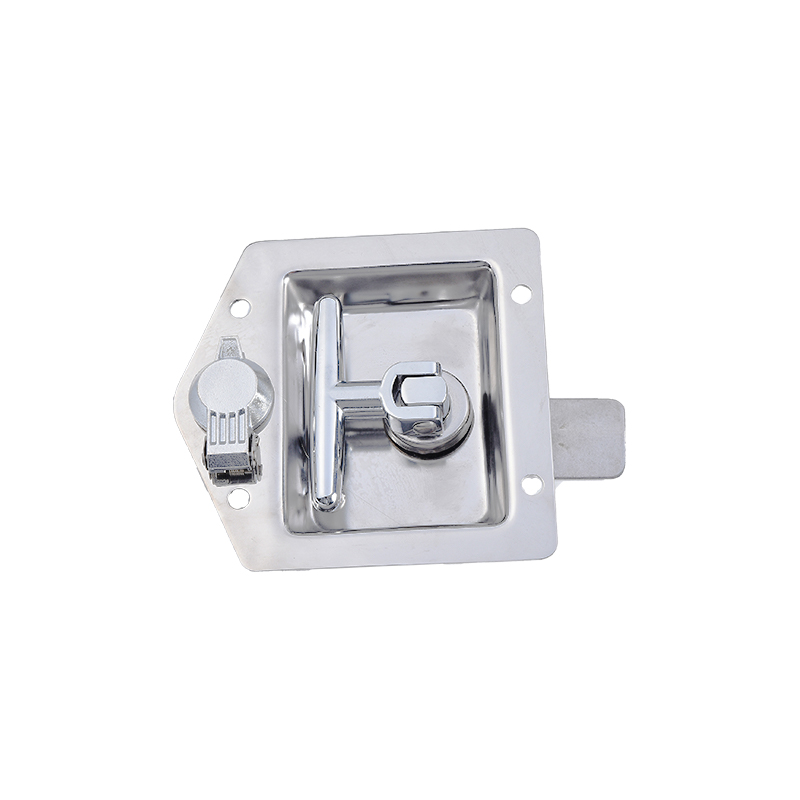
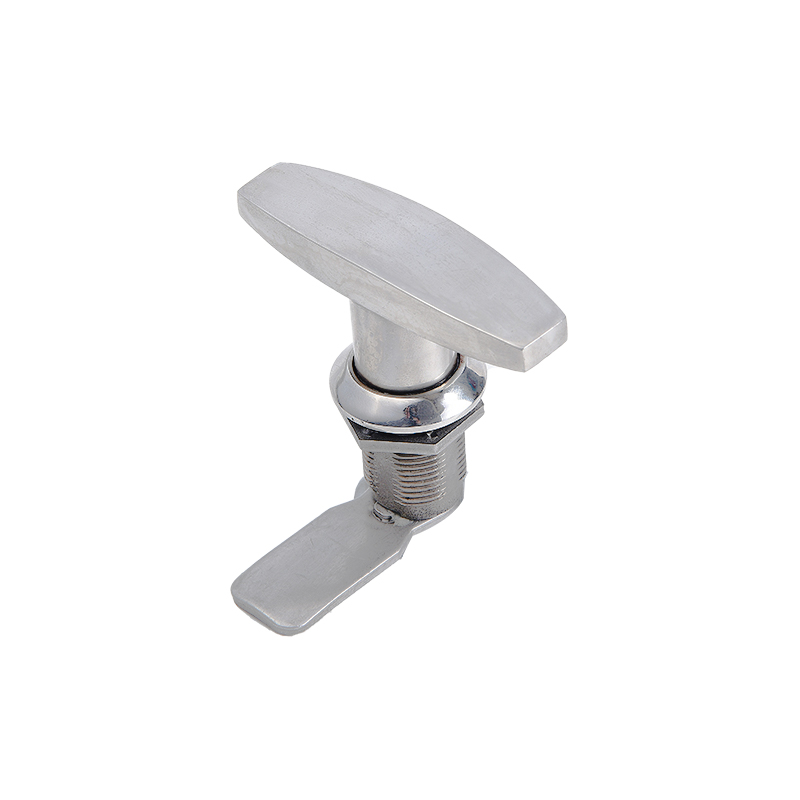
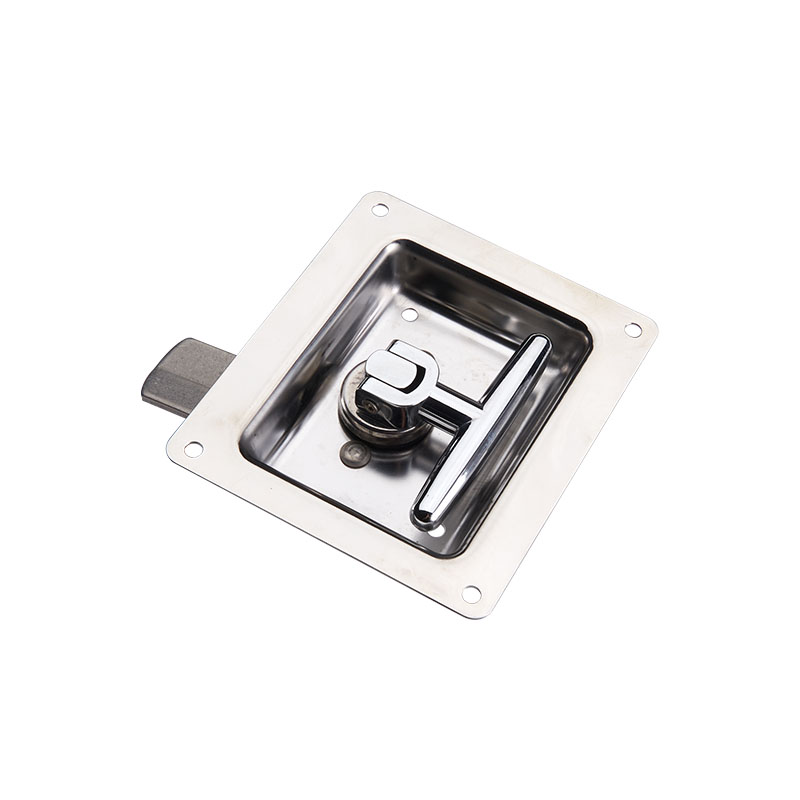
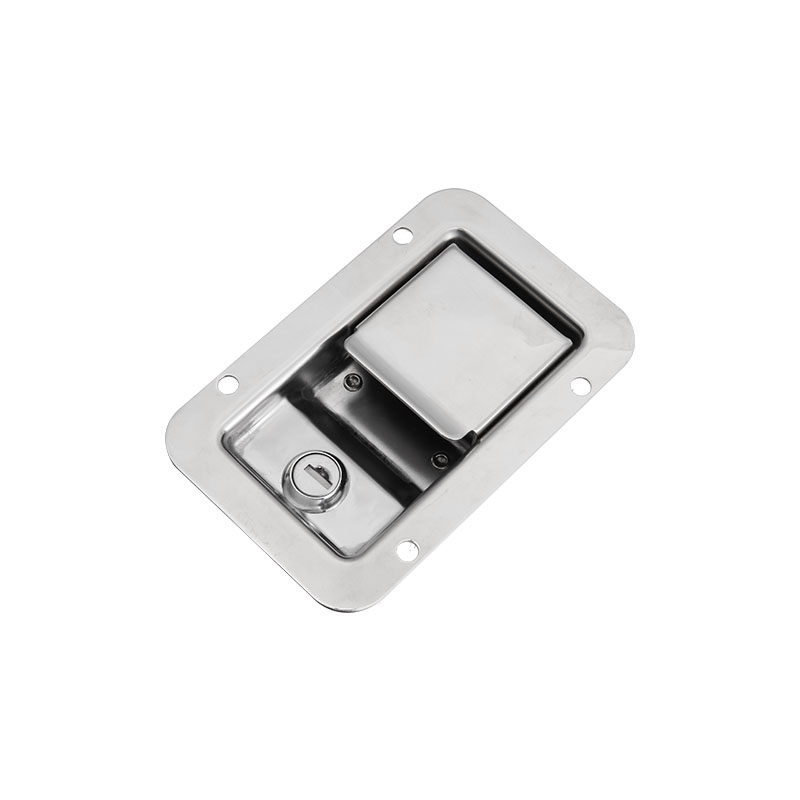
The lock is the first line of defense for any industrial enclosure. Depending on your security requirements and operational workflow, you can choose from mechanical locks, electronic locks, or a combination of both. Mechanical options include compression latches, handle locks, cylinder locks, connecting rod locks, and panel locks. Each type offers different levels of sealing force, tamper resistance, and ease of use.
Compression latches, for example, pull the door tightly against a gasket when closed, creating a secure seal that protects against water and dust. Handle locks combine a grip with a locking cylinder, allowing one-handed operation. Connecting rod locks use a network of rods to secure the door at multiple points, which is ideal for large, heavy panels. For higher-security applications, electronic locks provide audit trails, remote access control, and temporary authorization—features that are increasingly important in modern industrial facilities.
We have written extensively about how active electronic lock technology is redefining access control in industrial settings. The key is to match the locking mechanism to the threat level and the operational environment. A simple quarter-turn lock may be sufficient for an indoor electrical cabinet, while a three-point rod lock with electronic verification is better for a remote telecommunications shelter.
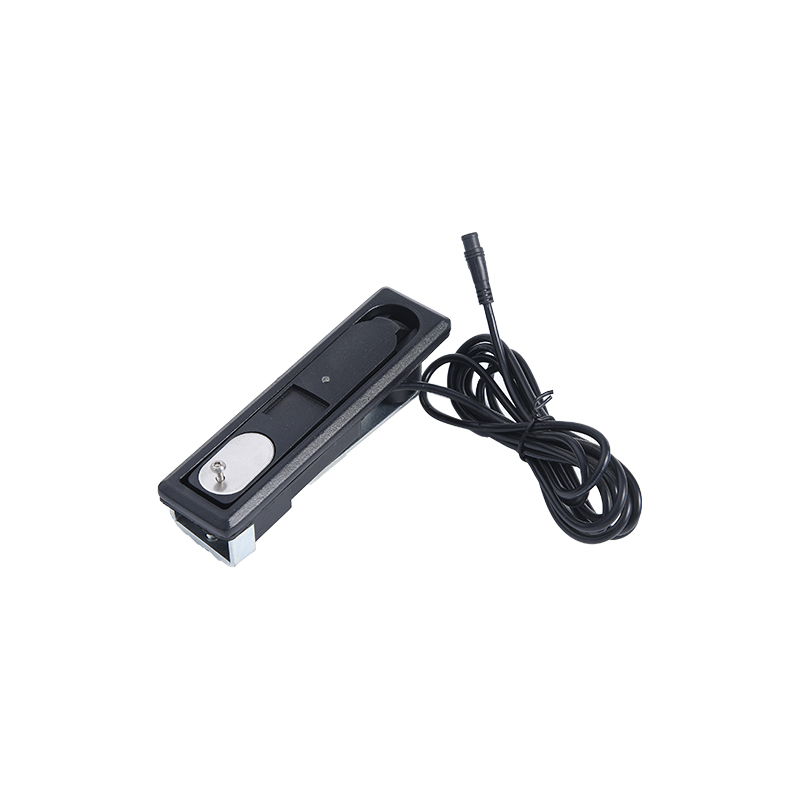 DS712-6 Electronic Key Unlock Active Electronic LockThis compact active electronic lock provides electronic key unlocking for industrial cabinets, offering a proven solution for intelligent access control in demanding environments.View Product →
For customers who need a proven electronic solution, the DS7126 active electronic lock offers electronic key unlocking with a compact, robust design. It is one of many models we have developed to meet the growing demand for intelligent access control in industrial cabinets.
Hinges and Support: Ensuring Smooth Operation and Longevity
Hinges are often overlooked, yet they determine how well a door opens, closes, and aligns over time. In industrial applications, hinges must handle heavier loads, higher cycle counts, and sometimes corrosive environments. We categorize our hinges into built-in hinges, cassette hinges, damping hinges, exterior hinges, plastic hinges, and stainless steel hinges. Each type serves a specific mounting style and performance requirement.
Built-in hinges are concealed within the door and frame, providing a clean appearance and protection from impact. Cassette hinges offer a compact, modular design that is easy to install and adjust. Damping hinges add a controlled closing action, reducing noise and wear. Exterior hinges are surface-mounted and are ideal for retrofit or heavy-duty applications. Stainless steel hinges are the go-to choice for washdown areas, marine environments, or any location where rust is a concern.
When selecting hinges, consider the door weight, the required opening angle, the number of cycles per day, and the material compatibility. A hinge that is too light for the load will wear out quickly and cause the door to sag, which in turn puts stress on the lock and handle. Our built-in hinge CL1011F, for example, is a carbon steel hinge with white zinc plating that balances strength and cost for many indoor cabinet applications.
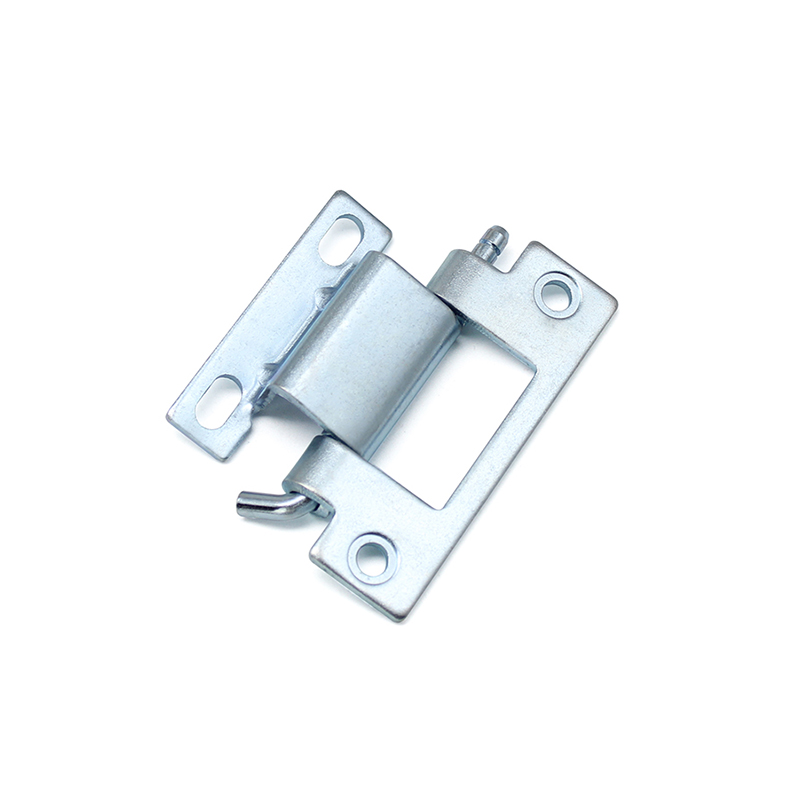 CL101-1F Carbon Steel Hinge with White Zinc PlatingThis universal 120-degree hinge supports left and right doors, balancing strength and cost for indoor cabinets, with a radial load of 350N and axial load of 700N.View Product →
Handles and Accessories: The Finishing Touches That Matter
Handles are the primary point of contact between a person and the door. A poorly designed handle can make access difficult, cause injury, or break under repeated use. Industrial handles come in many materials—SUS304 stainless steel, zinc alloy, aluminum alloy, carbon steel, and engineering plastics—and various finishes, such as brushed, mirror-polished, and chrome-plated. The choice depends on the environment, the required grip strength, and the aesthetic or sanitary requirements.
Beyond handles, a complete indoor door system includes accessories that improve functionality and protection. Waterproof covers shield lock cylinders from dust and water. Steel bolts and connecting rods extend the locking points for larger doors. Tool keys allow authorized personnel to open specific cabinets without carrying a large set of keys. These small components often make the difference between a door that works flawlessly for years and one that becomes a maintenance headache.
Our door handle LS117 is made from SUS304 stainless steel, offering excellent corrosion resistance and a comfortable grip for industrial cabinet doors. It is a popular choice for outdoor and washdown environments where durability is paramount.
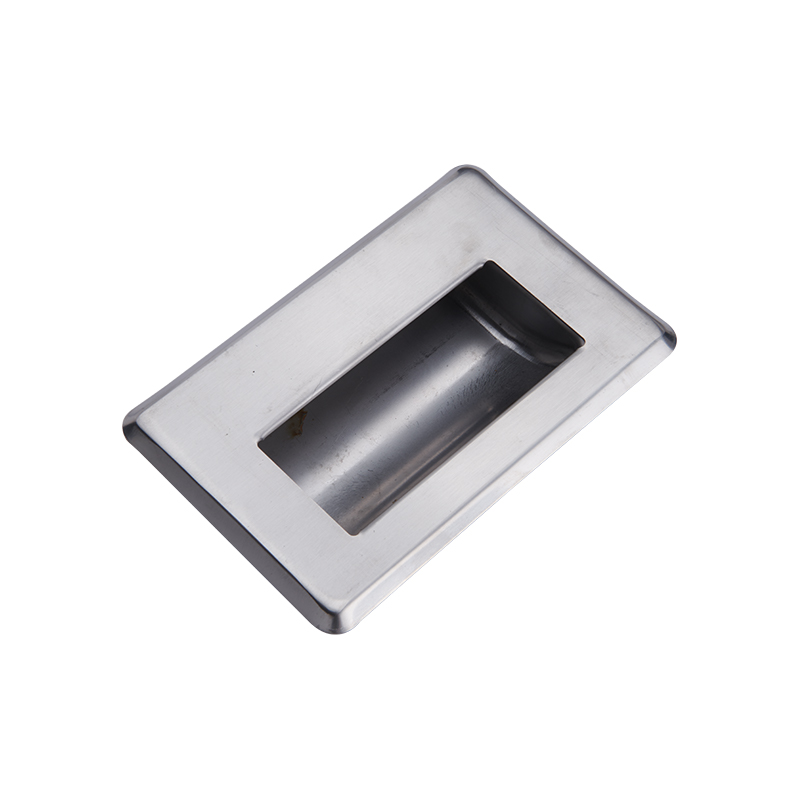 LS117 SUS304 Stainless Steel Industrial Door HandleMade from SUS304 with wire-drawn or mirror finish, this handle resists corrosion and supports a maximum static load of 2000N, ideal for outdoor and washdown environments.View Product →
A Comparison Table: Key Components and Selection Criteria
To help you quickly compare the main hardware categories, the following table summarizes their primary functions and the factors you should evaluate when specifying an indoor door for industrial use.
| Component | Primary Function | Key Considerations | Recommended Material / Finish |
|---|---|---|---|
| Lock | Secures the door and controls access | Security level, sealing force, operation frequency, electronic vs mechanical | Zinc alloy, stainless steel, with corrosion-resistant coating |
| Hinge | Supports door weight and enables opening | Load capacity, opening angle, cycle life, mounting style | Carbon steel with zinc plating, SUS304 stainless steel |
| Handle | Provides grip for opening and closing | Ergonomics, grip size, material compatibility, environmental exposure | SUS304, zinc alloy, aluminum alloy, nylon |
| Sealing & Accessories | Protects against dust, water, and tampering | IP rating, chemical resistance, ease of replacement | Rubber, PA, PE, stainless steel bolts |
How to Choose the Best Indoor Door Hardware for Your Application
With so many options available, narrowing down the right hardware can feel overwhelming. We recommend following a structured approach. Start by understanding your environment and then work through the functional requirements step by step.
- Define the environment. Is the door indoors, outdoors, or in a washdown area? Will it be exposed to chemicals, salt, or extreme temperatures? This determines the material and finish.
- Determine the security level. Does the door protect critical infrastructure, hazardous equipment, or merely routine components? Higher security may require electronic locks, multi-point locking, or tamper-resistant cylinders.
- Assess usage frequency. A door that opens fifty times a day needs more durable hinges, handles, and locks than one that opens weekly.
- Check the door weight and size. Heavy or oversized doors demand hinges with higher load ratings and possibly three-point locking systems.
- Consider maintenance and replacement. Standardized components and readily available spare parts reduce downtime. Our modular product families make it easy to source replacements.
- Verify compliance. Depending on your industry, there may be safety or ingress protection standards (such as IP ratings) that your hardware must meet.
By following these steps, you can build a specification that balances performance, longevity, and cost. If you need assistance, our team can help you choose the right combination from our extensive catalog of industrial locks and hardware.
At Ningbo Oubao Technology, we understand that the best indoor doors are the ones that keep working reliably year after year. Our product range covers electronic locks, compression latches, handle locks, cylinder locks, connecting rod locks, panel locks, hinges, folding supports, door handles, and a full line of accessories. Every product is designed with the industrial environment in mind, from the choice of materials to the precision of the machining. Whether you are building a new enclosure or retrofitting an existing one, we invite you to explore our solutions and see why engineers around the world trust our hardware for their most demanding applications.