language
  Español

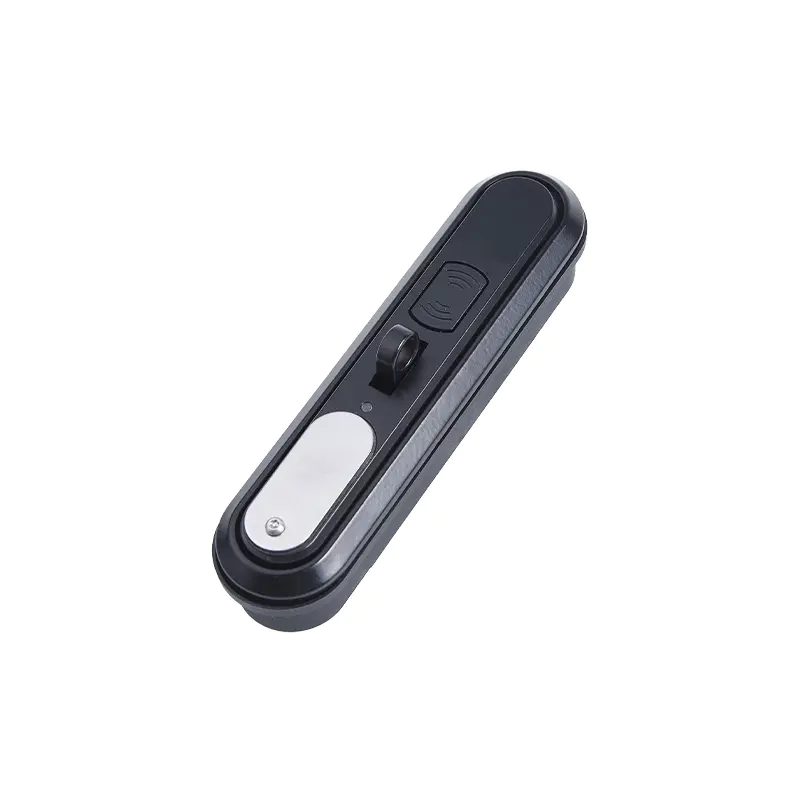
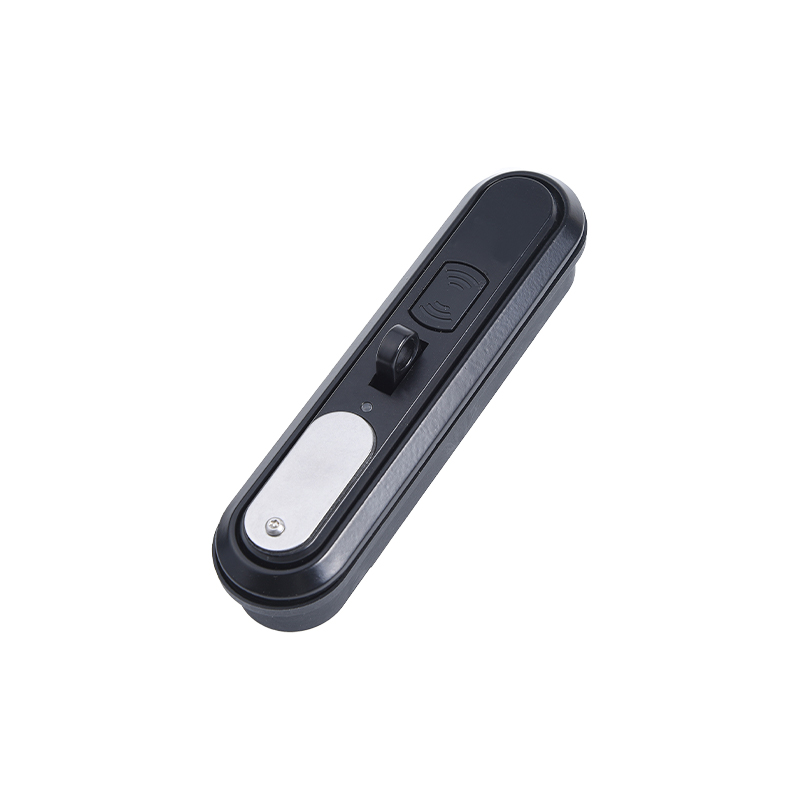
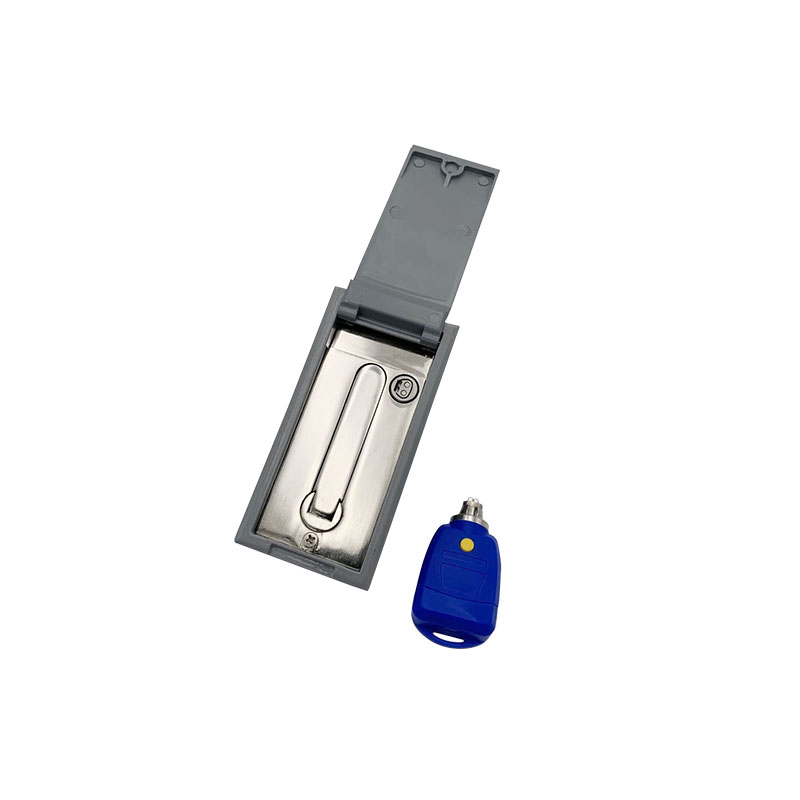
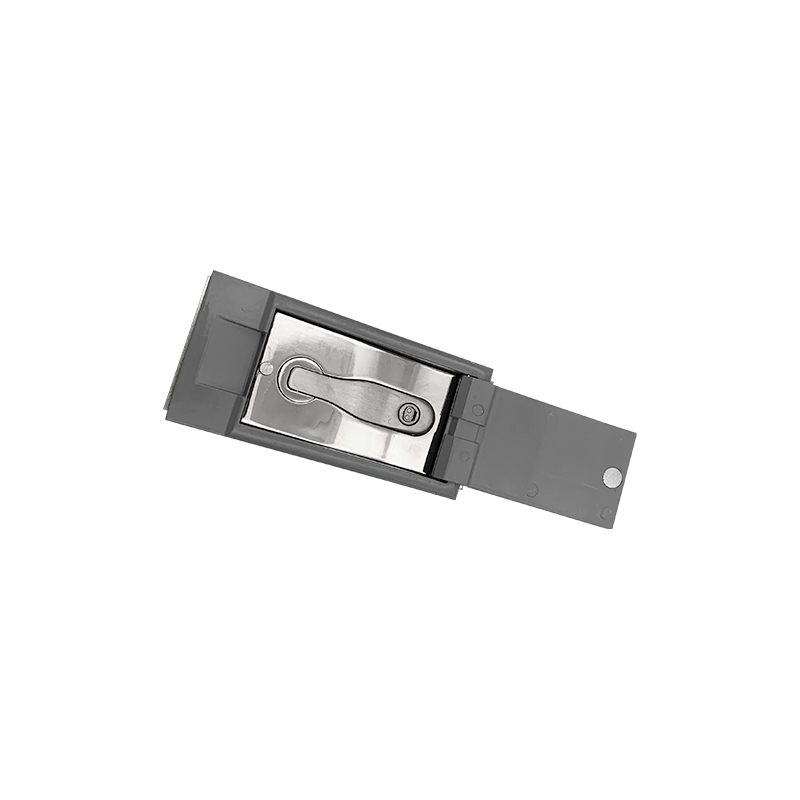
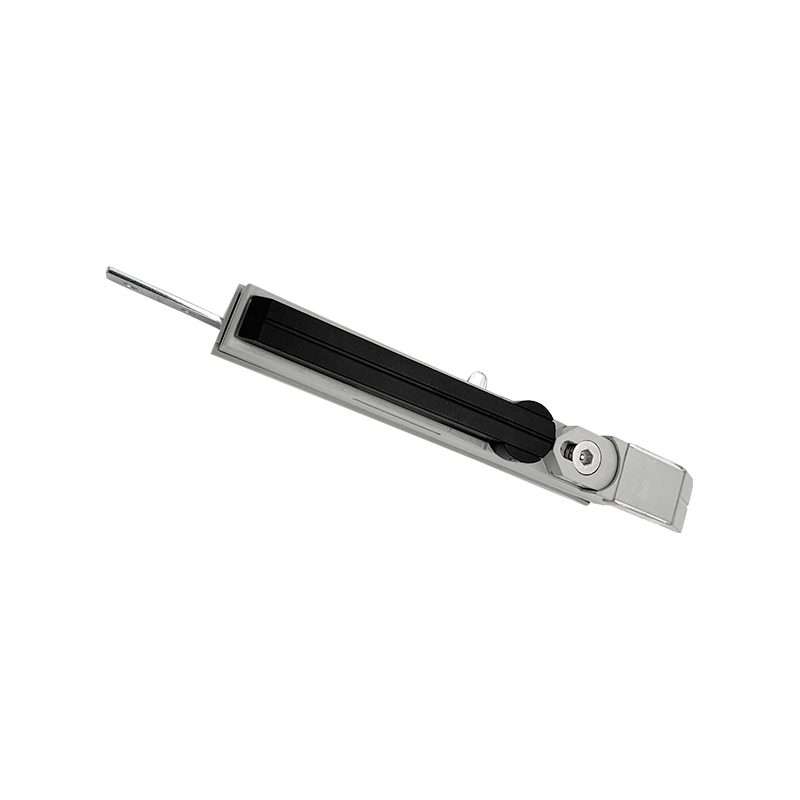
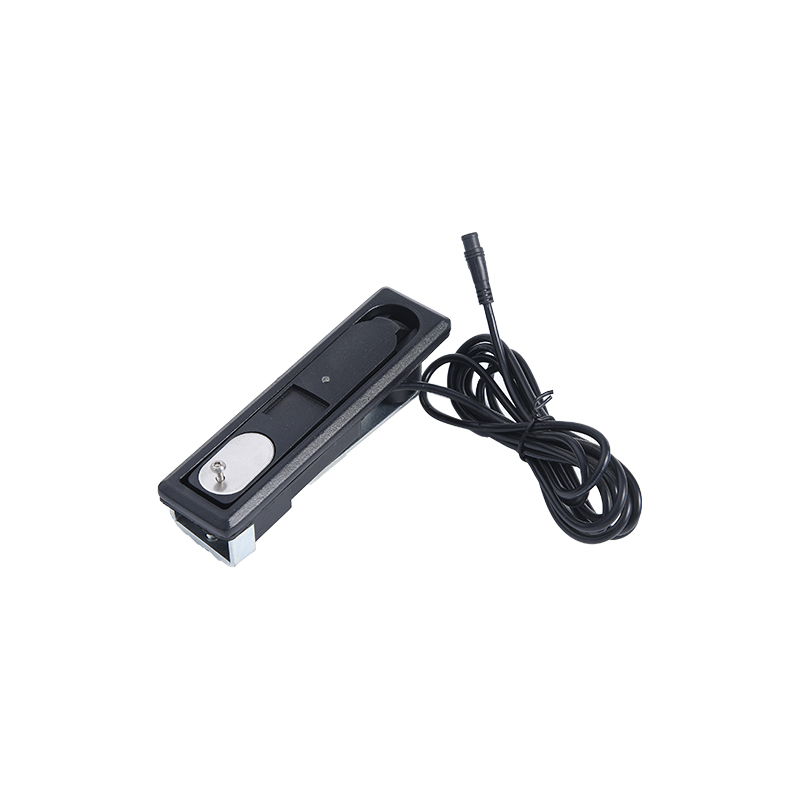
The shift toward intelligent hardware has reached a critical milestone with the introduction of the Active Electronic Lock system. Unlike traditional passive security components, these Electronic Key UnLock Active Electronic Locks utilize an energized communication protocol between the key and the cylinder to facilitate access. This technology represents a significant leap in mechanical and digital integration, focusing on high-frequency operational reliability and the elimination of complex external wiring. By embedding intelligence directly into the Electronic lock cylinder, facility managers can now achieve a level of granular control that was previously impossible with standard mechanical hardware.
Mechanical Resilience and Operational Longevity
The core engineering priority for any Active Electronic Lock is its ability to withstand constant use without mechanical degradation. The current generation of Electronic lock cylinder units is designed for extreme durability, rated for a "long lasting" service life that exceeds standard industry benchmarks. Specifically, the internal actuators and electronic components are engineered to switch 200,000 times, ensuring that even in high-traffic environments, the locking mechanism remains responsive and secure. This high cycle rating is achieved through the use of reinforced internal alloys and precision-aligned electronic contacts, reducing the physical wear that typically affects traditional lock systems.
Intelligent Access Through Bluetooth and Centralized Management
The operational intelligence of the Active Electronic Lock is primarily driven by its wireless connectivity and management software. With the integration of "bluetooth unlock" capabilities, the system allows authorized users to engage the lock via mobile devices, removing the dependency on physical keys that are easily lost or duplicated. Beyond individual access, the system supports "Centralized management," allowing administrators to oversee thousands of lock points from a single dashboard. This is complemented by "Regional management" features, which enable the grouping of locks based on physical location or security level, ensuring that permissions are strictly enforced across different zones of a facility.
Technical Specifications and Customization Parameters
To ensure compatibility with various door types and existing hardware footprints, the Active Electronic Lock follows a rigorous dimensional standard while offering flexibility for bespoke requirements. The standard height of the mouth is set at H=28, which serves as the conventional benchmark for most industrial and commercial installations. However, recognizing that specialized enclosures may require unique dimensions, other heights can be fully customized upon request. The following table provides a concise breakdown of the primary technical parameters governing these systems.
|
Specification Feature |
Technical Data / Requirement |
|---|---|
|
Primary Technology |
Active Electronic Lock |
|
Unlocking Mechanism |
Electronic Key & Bluetooth Unlock |
|
Component Type |
Electronic lock cylinder |
|
Cycle Life (Switching) |
200,000 Times |
|
Management Logic |
Centralized & Regional Management |
|
Standard Mouth Height |
H=28 (Conventional Standard) |
|
Customization Range |
Adjustable Height Available |
|
Durability Rating |
Long Lasting Industrial Grade |
Enhanced Security Protocols and System Integrity
The integration of Electronic Key UnLock Active Electronic Locks fundamentally changes the security architecture of a building. Since the power for the lock is often provided by the key or a localized long-lasting battery, the system remains functional during power outages, a critical advantage for critical infrastructure. The "Regional management" software ensures that even if a user has access to a building, their Active Electronic Lock credentials may only work within specific time windows or specific corridors. Every interaction with the Electronic lock cylinder is logged digitally, creating a comprehensive audit trail that can be reviewed through the centralized management interface. This prevents unauthorized entry and provides a transparent record of all site activity.
Seamless Integration and Installation Flexibility
One of the standout features of the Active Electronic Lock is its ability to be retrofitted into existing doors without extensive modifications. Because the intelligence is contained within the Electronic lock cylinder, the installation process is remarkably similar to replacing a standard mechanical cylinder. The H=28 standard ensures that most mortise locks can accommodate the new electronic hardware immediately. Once installed, the "bluetooth unlock" feature can be activated instantly, allowing for a rapid transition from legacy systems to a modern, managed environment. This ease of deployment, combined with the 200,000-switch reliability, makes the Active Electronic Lock an essential tool for maintaining high-integrity security perimeters.
The technical prowess of the Active Electronic Lock lies in its balance of physical strength and digital agility. By combining a "long lasting" mechanical build with sophisticated "Centralized management" and "Regional management" software, these locks provide a robust defense against unauthorized access. The 200,000-switch rating ensures that the investment remains viable for years to come, while the customizable H=28 mouth height guarantees that the hardware can adapt to any architectural requirement. As security needs become more complex, the role of the Electronic lock cylinder as a data-rich, high-performance gatekeeper becomes increasingly vital for modern facility operations.