language
  Español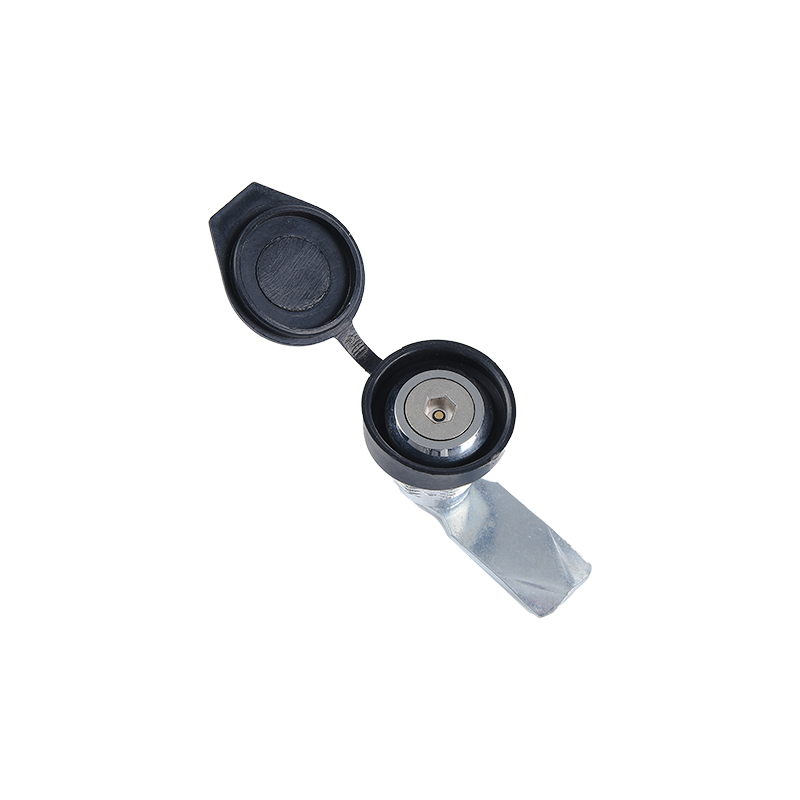

Keyless entry door locks have moved beyond residential deadbolts. For industrial cabinets, electrical enclosures, and equipment doors, the practical upgrade is an electronic lock that replaces a metal key with an electronic key, a QR code, or a remotely issued credential. In our industrial lock product range, we design both mechanical and electronic options, and the question we hear most often is simple: which keyless lock actually solves the access problem without creating new maintenance headaches? The answer depends less on flashy features and more on the door, the environment, and how credentials need to be managed.
What "Keyless" Means for Industrial Door Locks
Consumer smart lock reviews tend to focus on Wi-Fi connectivity, fingerprint readers, Matter support, and retrofit deadbolts for front doors. Those features matter more for a house than for a cabinet inside a factory or an enclosure mounted on a utility pole. In industrial settings, keyless entry usually means one of these options:
- An electronic key that is programmed before it is issued to a technician.
- A QR code that grants time-limited access to a contractor.
- An app or remote command that opens an active lock from a central system.
- A passive electronic lock that receives power from the key only while the key is being used.
To see how this works in practice, read our update on how active electronic lock technology is changing access management in industrial settings.
Why Remove Metal Keys from Cabinet and Enclosure Doors?
Metal keys are cheap, but the process around them is not. Every key issued, every key lost, and every cylinder rekeyed adds cost and downtime. Once an installation grows beyond a few doors, the administrative burden of keys becomes more noticeable than the hardware itself.
- Rekeying and replacement costs disappear when you can reissue a digital credential in seconds.
- Audit trails become possible because the lock can record who opened the door and when.
- Temporary access becomes practical because a supervisor can grant a QR code or app credential that expires.
- Key loss and unauthorized duplication are reduced because the credential is not a mechanical key that can be copied at a hardware store.
None of this means every door needs a Wi-Fi lock. In many factories, a passive electronic key lock is enough to bring the most important benefits of keyless access without adding network infrastructure.
Keyed vs Keyless: What Changes at the Door
| Consideration | Traditional keyed lock | Keyless electronic lock |
|---|---|---|
| Access credential | Metal key | Electronic key, QR code, app, or remote command |
| Changing access | Replace cylinder or rekey | Reissue the credential |
| Audit trail | Usually none | Can record opening events |
| Power requirement | None | Active locks need power; passive locks do not |
| Best fit | Simple, low-security access | Multi-user, remote, or audited access |
Active or Passive: Which Keyless Entry Door Lock Fits?
Active electronic locks
Active electronic locks are connected to a power source and can receive wireless signals. They are the right choice when access needs change in real time and administrators need to revoke or issue credentials without touching the door. For example, our DS8642P active electronic lock with multiple unlocking methods supports different ways to gain entry from one lock body, so a supervisor can choose the method that matches the operation.
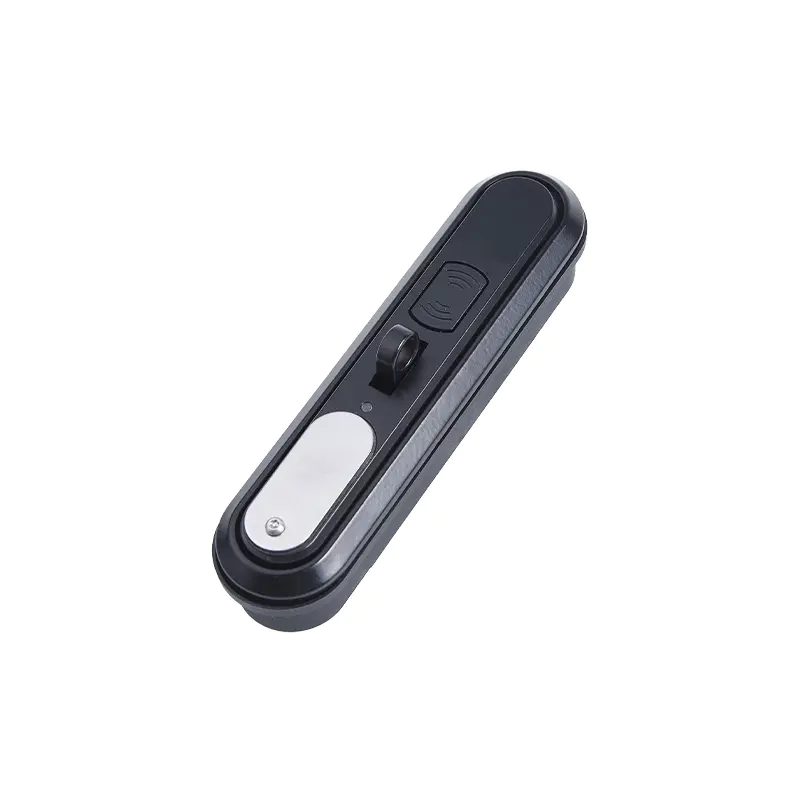 Wholesale DS864-2P Active Electronic Locks With Multiple Unlocking Methods FactoNingbo Oubao Technology Co., Ltd is top China wholesale DS864-2P Active Electronic Locks With Multiple Unlocking Methods suppliers and fa...View Product →
Passive electronic locks
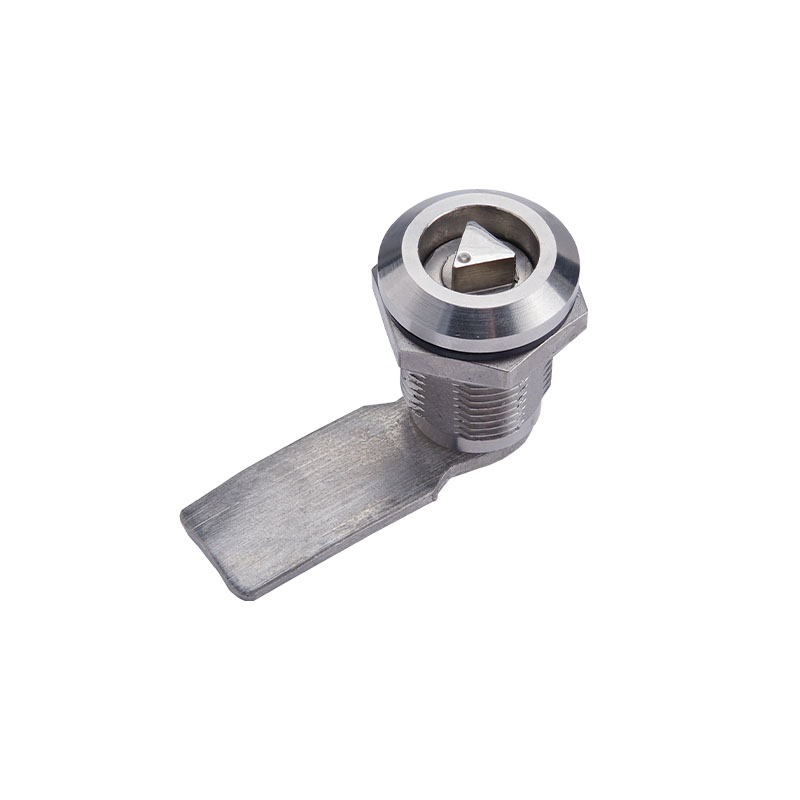
Passive electronic locks do not need permanent wiring. The electronic key carries a chip and supplies power when inserted, so the lock body can be installed in the same way as a mechanical lock. That makes passive locks a strong candidate for outdoor enclosures, remote sites, and retrofit projects where running cable is difficult. Our DS7052M passive electronic lock with electronic key unlock is a good starting point because it keeps the familiar lock-and-key motion while replacing the mechanical key with an electronic one.
 Wholesale DS705-2M Passive Electronic Locks With Electronic Key UnLock Factory, Ningbo Oubao Technology Co., Ltd is top China wholesale DS705-2M Passive Electronic Locks With Electronic Key UnLock suppliers and factory,View Product →
What to Check Before Specifying a Keyless Lock
Mechanical build and material
Look at the lock body and handle before considering the electronics. Zinc-alloy bodies are common for indoor cabinets, while stainless steel is safer for coastal, food processing, and outdoor environments. Surface finish also matters: black spray, bright chrome, and brushed or polished stainless steel have very different corrosion behavior.
Mechanical ratings
An electronic lock is still a latch. Check maximum static load, input torque, and rotation angle. A lock rated at 270N may be enough for a lightweight cabinet door, while a heavy access door may need 580N or 970N. If the lock body is not rated for the door weight and vibration, the electronic credential will not save it. For doors with high sealing or alignment requirements, choose a three-point locking model. The DS8303D zinc-alloy three-point locking passive electronic lock distributes force across the door edge, which reduces flexing and keeps gaskets compressed evenly.
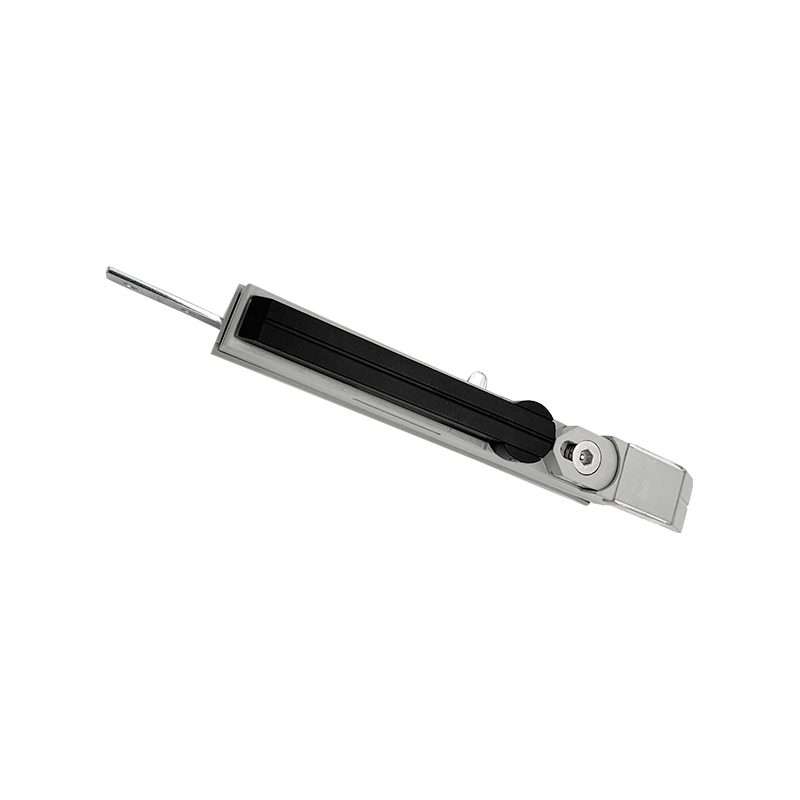 Wholesale DS830-3D Zinc Alloy Three-Point Locking Passive Electronic Locks FactoNingbo Oubao Technology Co., Ltd is top China wholesale DS830-3D Zinc Alloy Three-Point Locking Passive Electronic Locks suppliers and fa...View Product →
Environmental protection
Check whether the lock needs a waterproof cover, dust cover, or sealed cylinder. Outdoor transformer cabinets and washdown areas are not the same as a clean indoor control panel. A passive electronic lock with a sealed key port is often easier to protect than an active lock with exposed electronics.
Credential management
Define who issues credentials, how often they change, and whether you need an audit trail. If only a small team uses the cabinet, a passive lock with electronic keys is enough. If outside contractors or maintenance crews need short-term access, choose an active lock or a passive lock with QR code support.
A Practical Selection Sequence
Once you know the application, the selection process follows a fairly simple order:
- Measure the door thickness, cutout, hinge type, and door swing direction.
- List the environmental conditions: indoor, outdoor, dust, water, and temperature range.
- Decide how credentials will be issued and managed: electronic key, QR code, app, remote command, or a combination.
- Confirm the mechanical ratings for the door size, weight, and locking points.
- Compare active and passive electronic models, then verify installation constraints.
The goal is not to add the most expensive electronics. It is to make access easier to control, easier to audit, and easier to maintain. If you apply those criteria, a keyless entry door lock can reduce operating friction without introducing a new reliability problem.