language
  Español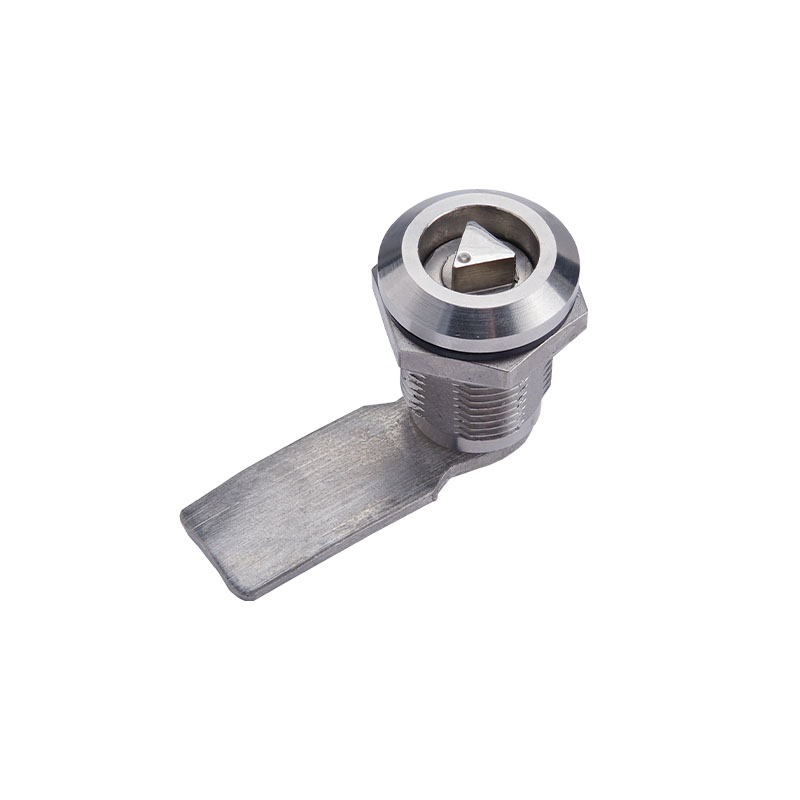

The Core Function of a Stainless Steel Cabinet Lock
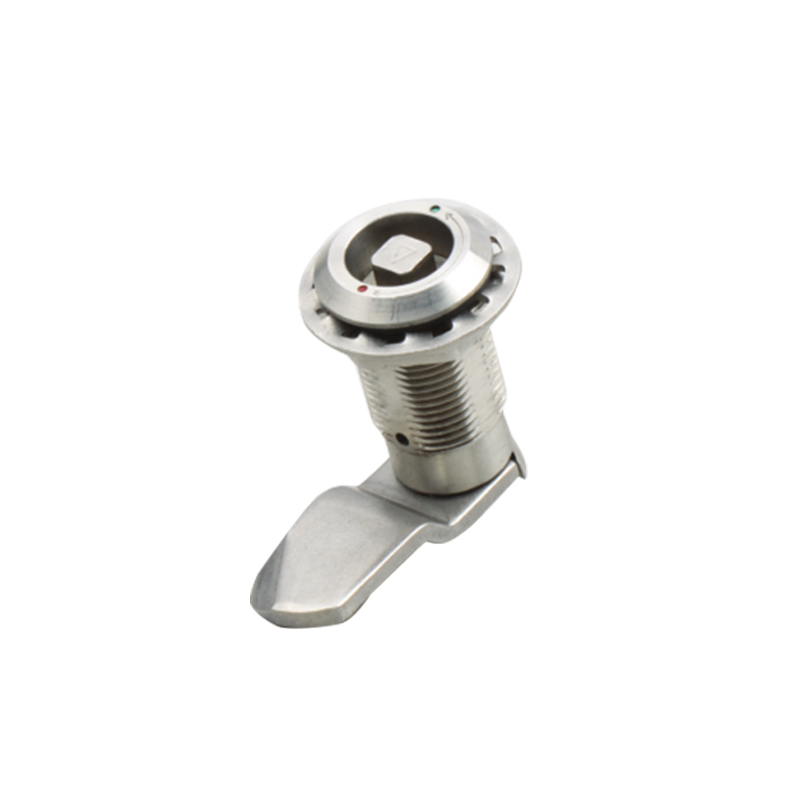
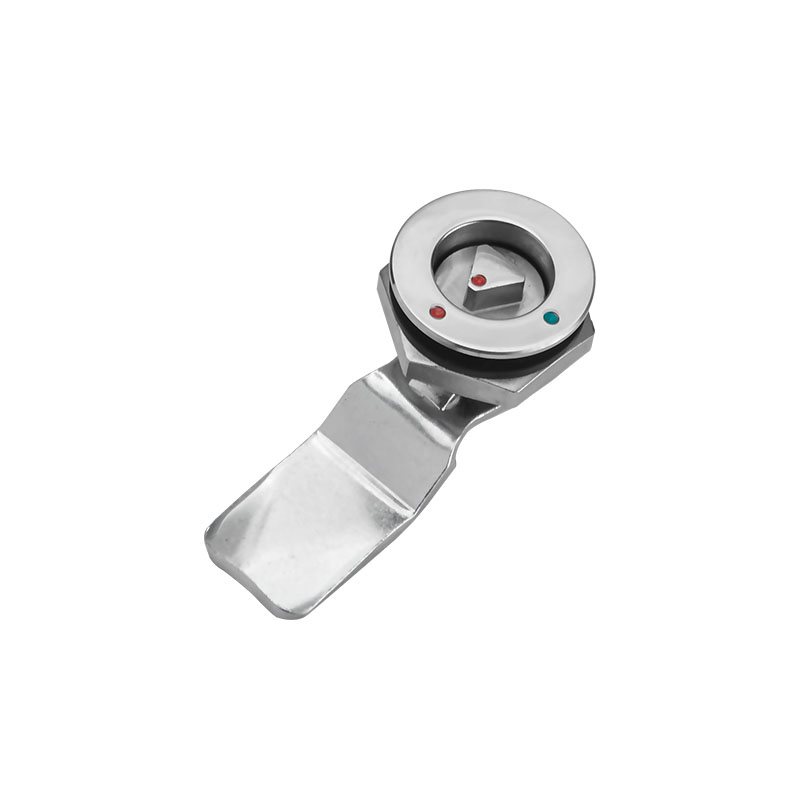
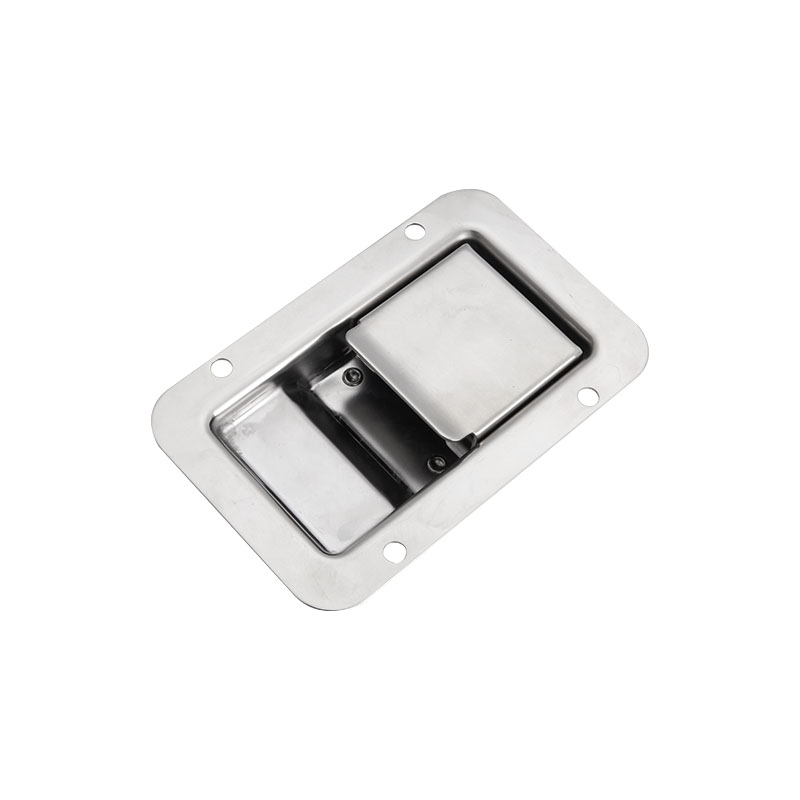
A stainless steel cabinet lock exists to keep an enclosure closed and its contents protected while withstanding the moisture, temperature swings, and physical knocks that a lock body regularly encounters. Unlike a lock made purely for indoor furniture, a stainless steel version is built for equipment enclosures such as instrument panels, meter boxes, light rail control units, and communication cabinets, where the locking hardware sits exposed to weather, vibration, and repeated hand contact for years at a stretch. The chromium content within the alloy forms a thin oxide layer on the surface that self-repairs when scratched, which is why the lock keeps turning smoothly and the housing keeps its finish long after a plated steel equivalent would show rust bleeding through the coating.
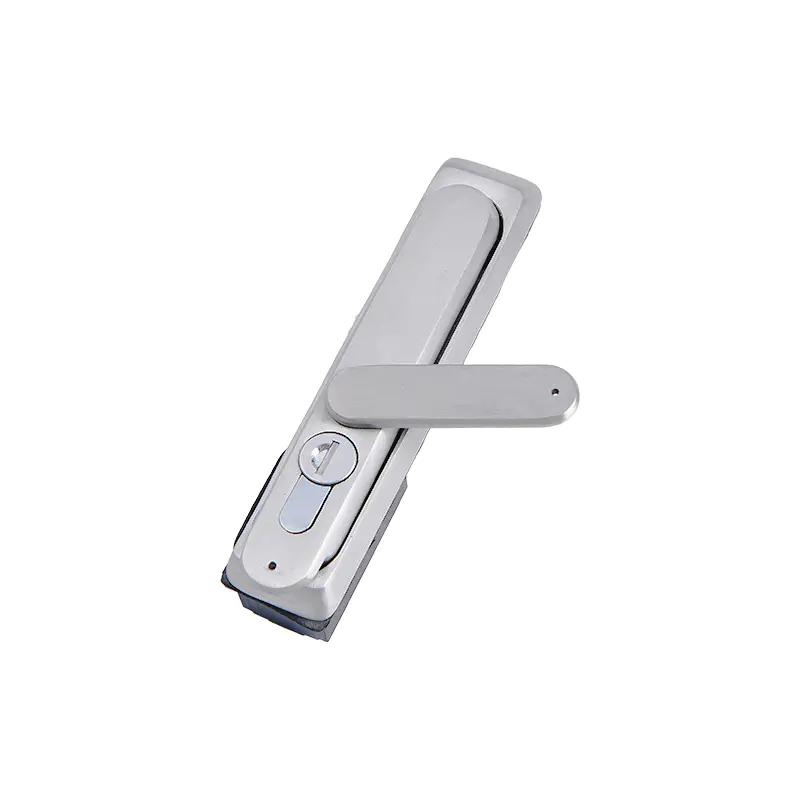
Beyond corrosion resistance, the lock's purpose includes holding the cabinet door flush against its frame under mechanical load, so that dust, insects, and moisture cannot work their way into sensitive electronics. A properly fitted stainless handle lock also acts as a deterrent against casual tampering, since the hardened cylinder and reinforced latch resist prying or twisting attempts that would defeat a lighter-duty fastener.
Quick Fact: Where These Locks Are Commonly Installed
Stainless steel cabinet locks are frequently fitted on instrument housings, metering equipment, light rail signal boxes, and telecommunication cabinets, particularly in coastal regions where salt air accelerates corrosion on ordinary plated hardware.
Why the Alloy Matters for Outdoor and Industrial Settings
Cabinet hardware made from zinc alloy or carbon steel typically relies on a plated or painted surface to resist rust, and once that surface is chipped by an impact or worn down by repeated key insertion, the underlying metal begins to corrode from the inside out. Stainless steel avoids this failure pattern because the corrosion resistance is a property of the metal itself rather than a coating applied on top of it, so a scratch on the housing does not create a starting point for rust to spread. This is particularly relevant in coastal or humid industrial environments, where airborne salt and condensation can shorten the working life of unprotected steel hardware compared with what a stainless assembly typically achieves under the same conditions.
The alloy also holds up under repeated mechanical cycling. A cabinet door that gets opened and closed several times a day places stress on the latch, spindle, and cylinder pins, and a softer metal can deform slightly with each cycle until the lock begins to feel loose or sticky. Stainless steel's tensile strength allows the internal components to hold tight tolerances even after years of daily operation, which keeps the handle action consistent rather than gradually loosening.
Structural Role in High-Strength Cabinet Doors
Beyond simply keeping a door shut, the lock body often forms part of the cabinet's overall structural integrity. On enclosures built to shield sensitive equipment from accidental impact, the lock and its mounting plate distribute force across the door frame rather than concentrating stress at a single latch point. This is particularly relevant for cabinets installed near walkways, loading areas, or machinery, where a stray knock or an object brushing against the door needs to be absorbed without the door popping open or the latch bending out of shape.
Handle Geometry and Force Transfer
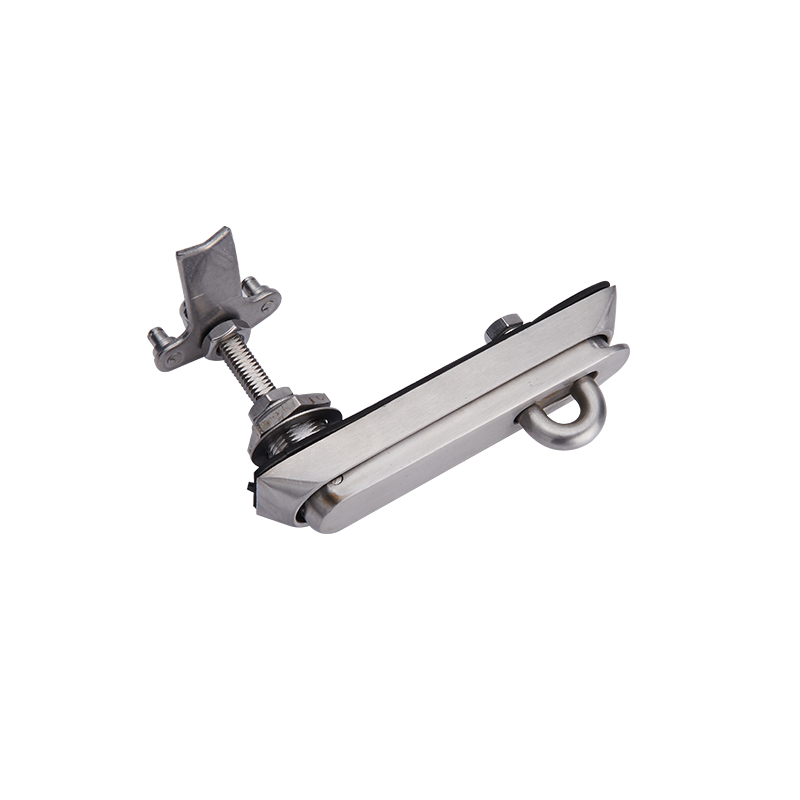
Many stainless cabinet locks use a quarter-turn or T-handle design that folds flat against the surface when not in use, reducing the chance of the handle catching on passing equipment or being used as a lever by someone attempting forced entry. The internal cam mechanism converts a small rotation of the handle into a larger pulling force on the latch bolt, which draws the door tightly against a rubber or foam gasket and helps the enclosure resist dust and light spray without needing a separate sealing mechanism.
Surface Finish and Its Effect on Appearance and Durability
A polished or brushed stainless finish is not chosen for looks alone. A smoother surface has fewer microscopic pits where moisture or salt residue can settle, so a mirror-polished lock body tends to resist pitting corrosion longer than a rough-cast surface exposed to the same environment. The bright, reflective appearance that comes with this finish also makes it easier to spot surface damage or wear during a routine visual inspection, since scratches or dulling show up clearly against the polished background rather than blending into a textured or painted coating.
Some manufacturers offer a satin or brushed finish instead of a full mirror polish, which trades a small amount of shine for a surface that shows fingerprints and light scuffing less readily on cabinets handled frequently by maintenance staff. Either finish relies on the same underlying alloy for its corrosion resistance, so the choice generally comes down to how visible the cabinet is and how much handling it experiences day to day.
Comparing Common Lock Body Materials
Choosing between stainless steel, zinc alloy, and plated carbon steel usually comes down to the environment the cabinet will sit in and how often the lock will be handled. The table below summarizes how these materials generally compare across the properties that matter for enclosure hardware.
| Material | Corrosion Resistance | Typical Environment |
|---|---|---|
| Stainless steel | Resists rust through the alloy itself, including after surface scratches | Coastal, outdoor, humid industrial areas |
| Zinc alloy | Relies on plating; corrodes once the coating is worn through | Dry indoor cabinets, light-duty use |
| Plated carbon steel | Moderate; prone to rust bleed at scratches or edges | General indoor equipment, moderate handling |
Cabinets placed near the ocean, in tunnels with condensation, or on outdoor light rail infrastructure tend to benefit from stainless hardware specifically because the failure mode of plated metals, rust creeping outward from a single scratch, is largely avoided. Indoor cabinets in climate-controlled server rooms sometimes use lighter alloys instead, since the environmental stress is much lower and the cost difference can be a factor in the material decision.
Installation and Ongoing Maintenance Considerations
Fitting a stainless cabinet lock generally involves matching the cutout dimensions on the door to the lock's mounting plate, then securing it with stainless fasteners so that a dissimilar metal does not introduce a corrosion point at the mounting screws. Pairing a stainless lock body with a plain steel screw can create galvanic corrosion at the contact point over time, so matching the fastener material to the lock is a detail that installers commonly pay attention to on outdoor enclosures.
Maintenance is comparatively light once the lock is installed. Wiping down the surface periodically to remove salt film or grime helps preserve the polished appearance, and applying a small amount of dry lubricant to the cylinder every so often keeps the key turning smoothly without attracting dust the way an oil-based lubricant might. Because the material itself does not rely on a protective coating, there is no repainting or re-plating cycle to schedule, which reduces the maintenance workload compared with hardware that depends on an applied finish for its rust protection.