language
  Español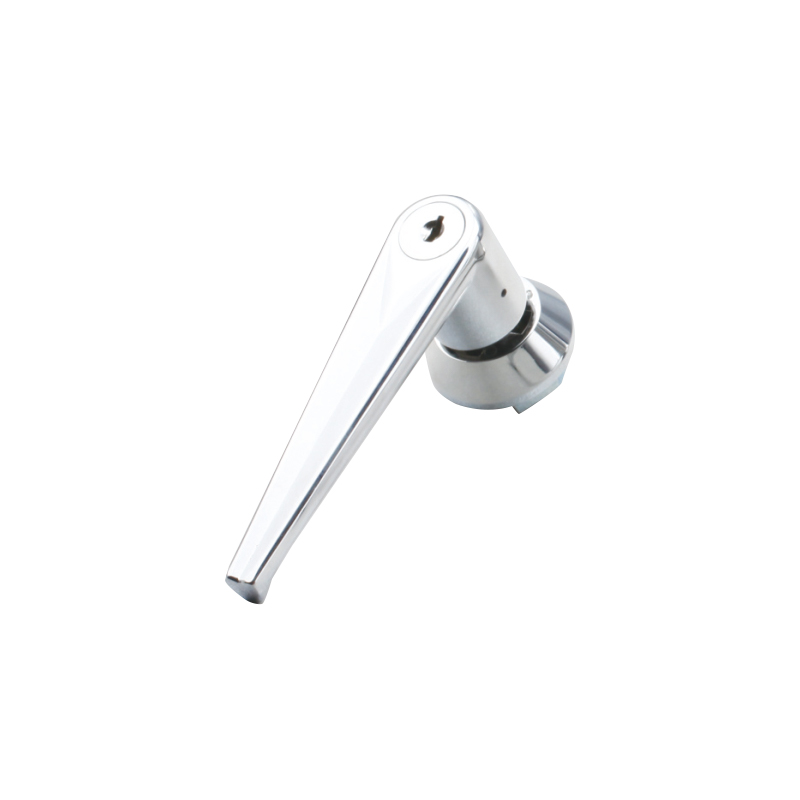

Industrial facilities, utility enclosures, and heavy machinery installations face security challenges that go far beyond what typical residential or light commercial hardware can address. Exposure to harsh outdoor conditions, high-frequency use, deliberate tampering attempts, and the sheer value of the equipment being protected all demand hardware engineered to a much higher standard. High-Security Industrial Handle Locks are purpose-built to meet these demands, combining robust mechanical engineering with advanced anti-tampering features to safeguard critical assets. This article offers an in-depth examination of these locking systems, covering their construction, security ratings, material science, application scenarios, and the criteria that matter most when selecting hardware for demanding industrial environments.
1. What Are High-Security Industrial Handle Locks
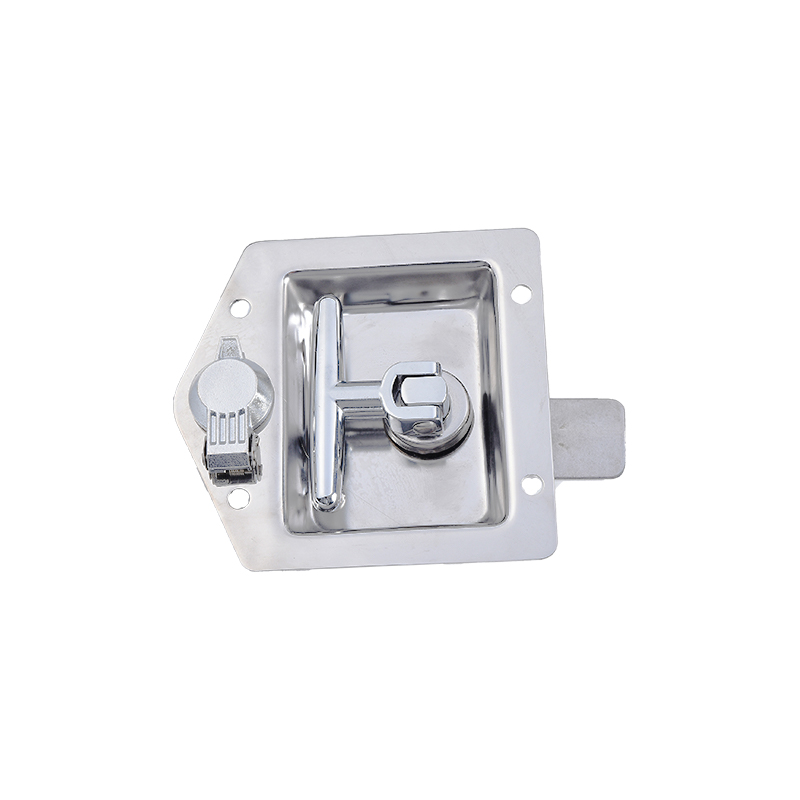
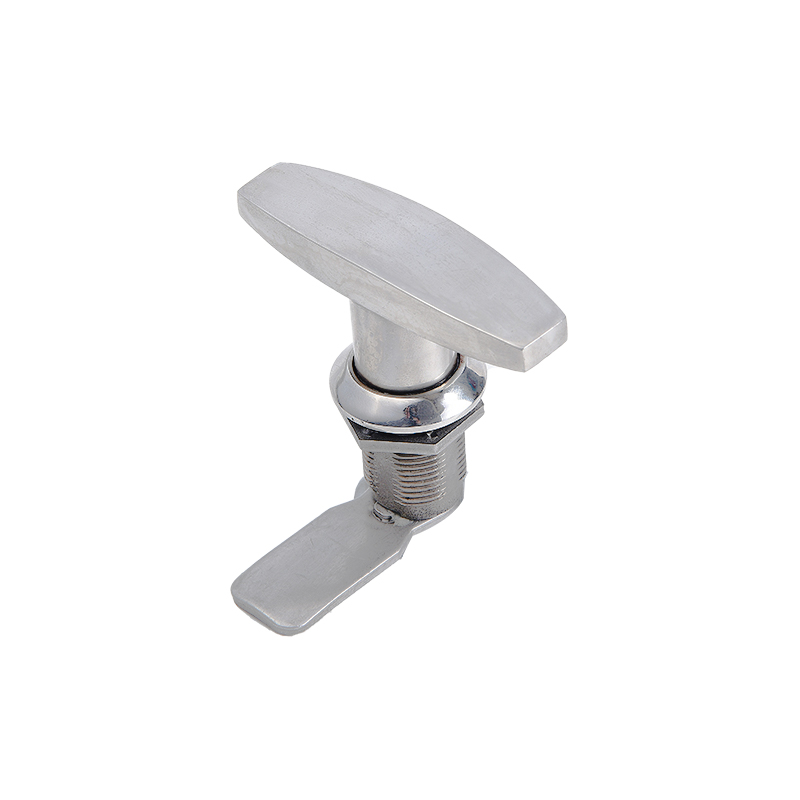
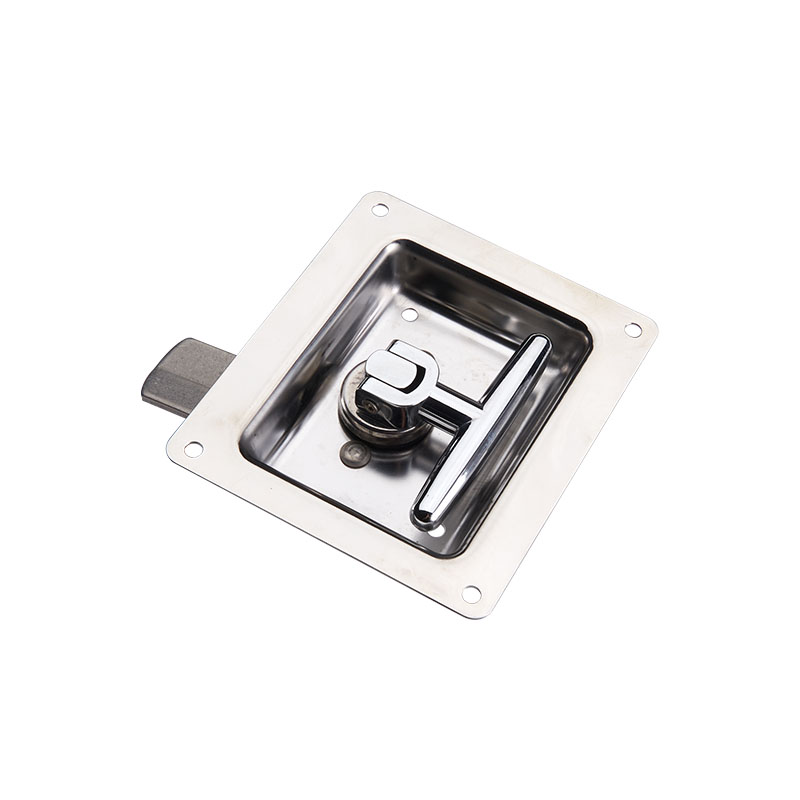
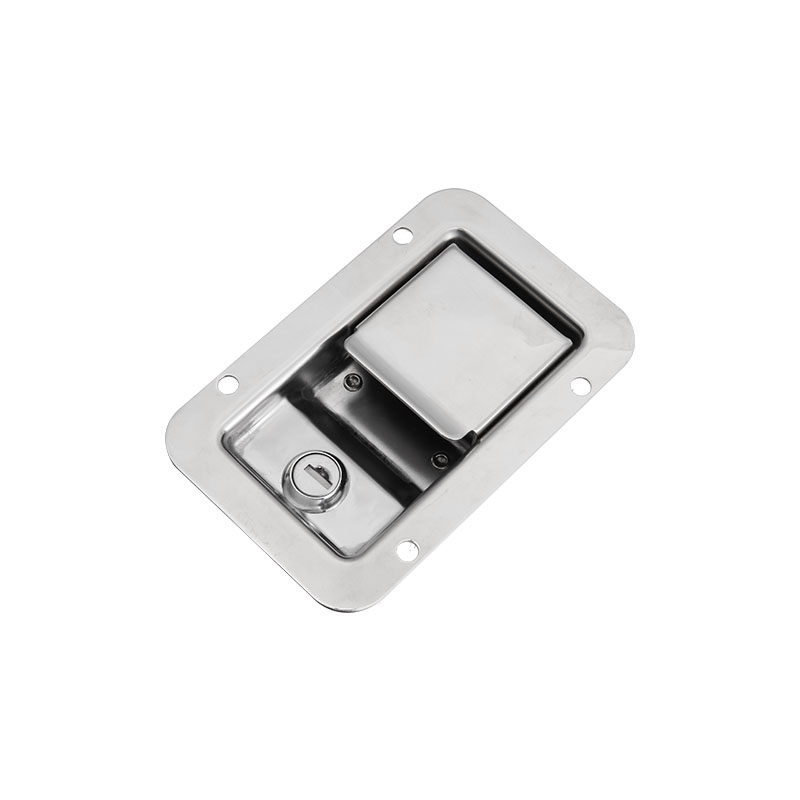
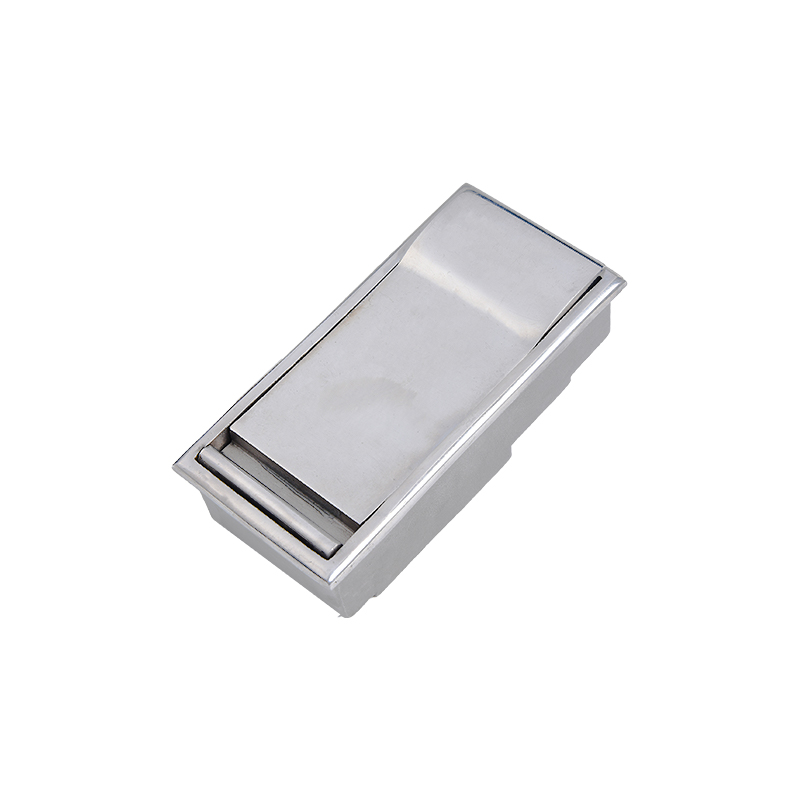
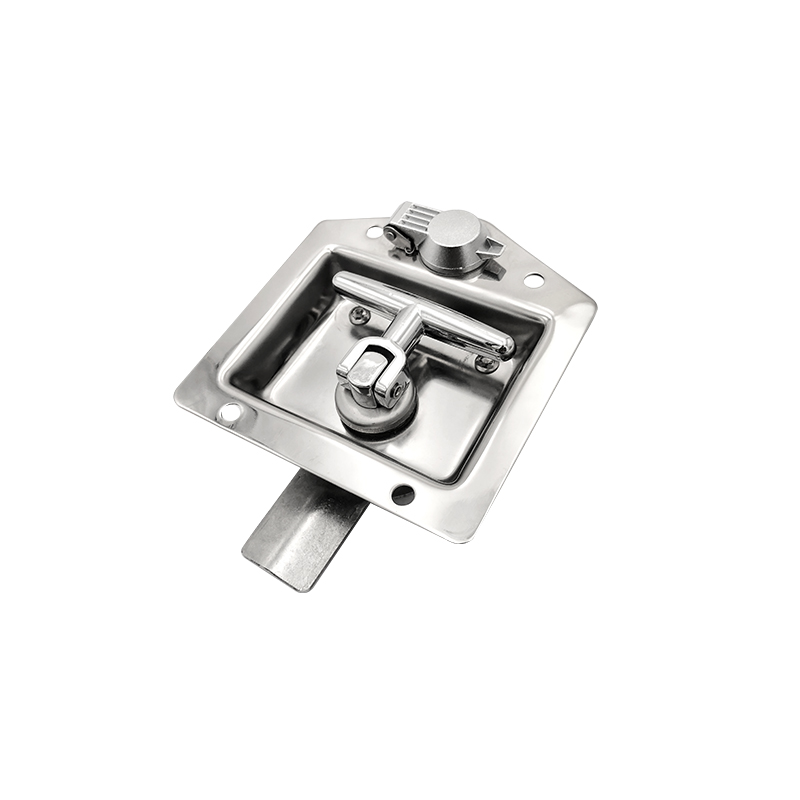
High-security industrial handle locks are integrated locking mechanisms that combine a handle, latch, and locking cylinder or mechanism into a single unit, typically mounted on cabinet doors, electrical enclosures, machinery panels, control boxes, gates, and heavy equipment access points. Unlike standard door hardware, these locks are engineered specifically to resist forced entry, drilling, picking, prying, and environmental degradation, while also withstanding the repeated mechanical stress associated with frequent operation in demanding industrial settings.
The defining characteristic that separates a high-security industrial handle lock from ordinary hardware is the combination of hardened materials, precision-engineered internal mechanisms, and compliance with recognized security testing standards. These locks are not simply heavier versions of consumer-grade hardware; they are designed from the ground up with threat resistance, durability under mechanical fatigue, and resistance to environmental exposure as core engineering priorities.
Quick Fact: Where These Locks Are Typically Found
High-security industrial handle locks are commonly installed on electrical switchgear cabinets, telecommunications enclosures, server and data center racks, industrial machinery access panels, transportation and logistics equipment, utility substations, and outdoor equipment housings where unauthorized access could result in safety hazards, equipment damage, or significant financial loss.
2. Core Components and Mechanical Design
Understanding the internal architecture of a high-security industrial handle lock helps clarify why these products command a premium over standard hardware. The typical assembly includes several critical components working together.
2.1 The Handle Mechanism
The handle itself is usually constructed from cast or forged metal, often zinc alloy, stainless steel, or hardened carbon steel, and is designed to transfer rotational force to the internal latch mechanism while resisting bending, snapping, or leverage-based attacks. Many industrial handle designs fold flush against the enclosure surface when not in use, reducing the risk of accidental snagging and limiting the ability of an intruder to gain leverage against the handle.
2.2 The Locking Cylinder
At the heart of the security performance is the locking cylinder, which may take the form of a pin tumbler cylinder, a disc detainer cylinder, or an electronic locking module. High-security cylinders typically incorporate features such as hardened steel inserts to resist drilling, sidebar mechanisms that add an additional layer of pick resistance, and tightly controlled key blank distribution to prevent unauthorized key duplication.
2.3 The Latch and Bolt Assembly
The latch or bolt mechanism physically secures the door or panel in place once the handle is locked. High-security designs often feature multi-point latching, where a single handle actuates locking points at multiple positions around the door frame, significantly increasing resistance to prying and forced entry compared to a single-point latch.
2.4 Housing and Gasket Seals
The housing that encloses the internal mechanism is typically die-cast or machined from corrosion-resistant metal, and is often paired with rubber or silicone gasket seals to prevent dust, moisture, and debris from compromising the internal components, an especially important consideration for outdoor or industrial environments with significant environmental exposure.
3. Security Ratings and Industry Standards
One of the most reliable ways to evaluate the true security performance of an industrial handle lock is to reference recognized testing standards and certifications, rather than relying solely on manufacturer marketing claims.
ANSI/BHMA Grade Classifications: The American National Standards Institute, in conjunction with the Builders Hardware Manufacturers Association, classifies locking hardware into performance grades, with Grade 1 representing the highest level of durability and security typically required for heavy commercial and industrial applications.
UL 437 Standard: This Underwriters Laboratories standard specifically addresses key locks and evaluates resistance to picking, drilling, and other forced entry techniques, making it a widely referenced benchmark for high-security cylinder performance.
EN 1303 Standard: A European standard covering cylinders for locks, this classification system evaluates attack resistance, durability cycles, and corrosion resistance, providing a structured basis for comparing cylinder performance across manufacturers.
IP Ingress Protection Ratings: For locks intended for outdoor or wash-down industrial environments, IP ratings indicate the degree of protection against dust and water intrusion, with higher-rated products suitable for exposed or frequently hosed-down installations.
UL 50 Enclosure Ratings: Relevant for locks integrated into electrical enclosures, this standard addresses the overall protective performance of the enclosure and its hardware against environmental and physical hazards.
When evaluating a lock for a specific industrial application, it is advisable to confirm that the certifications referenced apply to the specific model and configuration being purchased, since certification can vary between product variants within the same manufacturer's lineup.
4. Materials Used in High-Security Industrial Handle Locks
Material selection plays a decisive role in both the security performance and the long-term durability of industrial handle locks, particularly given the demanding conditions these products often face.
- Hardened Carbon Steel: Frequently used in cylinder components and bolt assemblies, hardened steel resists drilling and cutting attacks far more effectively than standard mild steel, making it a common choice for high-security cylinder cores.
- Stainless Steel: Widely used for handles, housings, and exposed hardware in outdoor or corrosive environments, stainless steel offers strong resistance to rust and chemical exposure while maintaining structural strength under repeated mechanical stress.
- Zinc Alloy Die-Casting: Commonly used for handle bodies due to its excellent castability and reasonable strength-to-weight ratio, zinc alloy components are often finished with protective plating to enhance corrosion resistance.
- Brass and Bronze Alloys: Occasionally used for internal cylinder components due to their natural corrosion resistance and favorable machining characteristics, though typically paired with hardened steel elements for drill resistance.
- Reinforced Polymer Seals and Gaskets: While not structural in nature, high-quality polymer seals play an important supporting role in maintaining the integrity of the locking mechanism against moisture and particulate intrusion over the product's service life.
5. Anti-Tampering and Attack-Resistant Features
High-security industrial handle locks incorporate a range of specific engineering features designed to counter common attack methods used against locking hardware.
5.1 Anti-Drill Protection
Hardened steel inserts, often positioned strategically at critical points within the cylinder, are designed to resist or deflect drill bits, significantly slowing or preventing drilling attacks aimed at destroying the pin mechanism to bypass the lock.
5.2 Anti-Pick Mechanisms
Sidebar systems, false gates, and specially profiled pin configurations increase the complexity of manipulating the internal pins into the correct position without the proper key, making manual picking substantially more difficult and time-consuming compared to standard pin tumbler cylinders.
5.3 Anti-Bump Design
Bump-resistant cylinders incorporate design elements, such as irregular pin heights or additional security pins, that disrupt the mechanical exploit used in traditional lock bumping techniques, a method that has become increasingly well known and therefore increasingly important to defend against.
5.4 Anti-Pry Reinforcement
Reinforced strike plates, multi-point latching, and hardened bolt materials work together to resist prying attempts that attempt to force the door or panel open without directly attacking the lock cylinder itself.
5.5 Tamper-Evident Indicators
Some industrial handle locks incorporate visual tamper-evident features, such as indicator windows or seals, that provide a clear visual signal if an attempted breach has occurred, supporting security auditing and incident response protocols.
6. Mechanical Versus Electronic High-Security Handle Locks
Modern industrial facilities increasingly face a choice between traditional mechanical locking systems and newer electronic access control integrations. Each approach carries distinct advantages depending on the specific operational requirements.
| Comparison Criteria | Mechanical Handle Locks | Electronic Handle Locks |
|---|---|---|
| Power Dependency | None, fully mechanical operation | Requires battery or wired power |
| Access Tracking | Not available without added hardware | Built-in audit logs and access records |
| Key Management | Physical keys, rekeying required for changes | Credentials revocable remotely or via software |
| Environmental Reliability | Highly reliable in extreme conditions | Depends on sealing and battery performance |
| Integration Potential | Standalone only | Can integrate with building security systems |
Many industrial facilities today adopt a hybrid approach, deploying mechanical high-security locks on critical infrastructure where reliability under all conditions is paramount, while using electronic access solutions in areas where audit trails and remote credential management provide meaningful operational value.
7. Environmental Resistance and Durability Testing
Industrial environments frequently expose locking hardware to conditions far more severe than typical commercial settings, making environmental durability testing an essential part of product development and selection.
- Salt Spray Testing: Evaluates corrosion resistance under simulated coastal or high-salinity conditions, particularly relevant for locks installed in marine environments or facilities near coastal areas.
- Temperature Cycling Tests: Assess the ability of the lock mechanism to maintain smooth operation across extreme temperature swings, important for outdoor installations in regions with significant seasonal variation.
- UV Exposure Testing: Confirms that handle finishes and polymer components resist degradation, discoloration, or brittleness from prolonged sun exposure in outdoor installations.
- Cycle Testing: Measures the number of open-close operation cycles the lock can withstand before performance degradation occurs, a critical metric for high-traffic industrial access points used dozens or hundreds of times per day.
- Dust and Water Ingress Testing: Corresponds to IP rating verification, confirming that internal components remain protected from environmental contamination that could compromise both security and mechanical reliability.
8. Common Applications Across Industries
High-security industrial handle locks serve a broad range of sectors, each with distinct operational demands and risk profiles.
| Industry | Typical Application | Key Security Priority |
|---|---|---|
| Utilities and Power Distribution | Switchgear cabinets, substation enclosures | Preventing unauthorized access to high-voltage equipment |
| Data Centers and Telecommunications | Server rack doors, equipment enclosures | Protecting sensitive data infrastructure |
| Manufacturing and Heavy Industry | Machinery access panels, control cabinets | Preventing accidental or unauthorized machine operation |
| Transportation and Logistics | Cargo containers, fleet vehicle compartments | Preventing theft during transit and storage |
| Oil, Gas, and Chemical Processing | Outdoor equipment housings, valve stations | Withstanding harsh chemical and weather exposure |
9. Installation Considerations
Proper installation is essential to ensuring that a high-security industrial handle lock performs to its full rated potential. The following considerations are particularly important during installation planning.
- Panel Thickness Compatibility: Confirm that the lock's mounting mechanism is compatible with the thickness of the door or panel material, as mismatched hardware can compromise both fit and security integrity.
- Cutout Precision: Industrial handle locks typically require precisely dimensioned cutouts; inaccurate cutting can create gaps that weaken structural resistance to prying or leave the mechanism vulnerable to environmental intrusion.
- Torque Specifications: Mounting fasteners should be tightened according to manufacturer torque specifications to ensure secure attachment without stripping threads or warping the housing.
- Gasket Seating: Verify that gaskets and seals are properly seated during installation to maintain the intended ingress protection rating, particularly for outdoor or wash-down environments.
- Access Alignment Testing: After installation, test the full range of handle motion and latch engagement to confirm smooth operation and complete latch seating before placing the enclosure into active service.
10. Maintenance Best Practices
Routine maintenance helps preserve both the mechanical reliability and security performance of high-security industrial handle locks throughout their operational lifespan.
- Apply manufacturer-recommended lubricant to cylinder and latch mechanisms on a regular schedule to prevent stiffness or binding, particularly in outdoor installations exposed to dust and moisture.
- Inspect gaskets and seals periodically for signs of cracking, compression set, or degradation, replacing them promptly to maintain the intended environmental protection rating.
- Periodically test key duplication control by confirming that only authorized personnel possess functional keys, particularly important in facilities with employee turnover.
- Visually inspect for signs of attempted tampering, such as scratches around the keyway, gaps at the latch point, or unusual resistance during operation, which may indicate an attempted breach requiring further investigation.
- Schedule periodic professional inspection for critical infrastructure applications, ensuring that internal components remain within manufacturer tolerances and that security performance has not degraded due to wear.
11. How to Select the Right High-Security Industrial Handle Lock
Selecting the appropriate lock for a given application requires balancing security requirements, environmental conditions, and operational workflow considerations.
- Define the Threat Model: Determine what types of unauthorized access attempts are most likely, whether opportunistic tampering, targeted forced entry, or insider threats, since different lock features address different attack vectors.
- Match Certification to Requirements: Identify whether specific industry regulations or insurance requirements mandate particular certification levels, such as UL 437 compliance or specific ANSI grade ratings.
- Assess Environmental Exposure: Consider whether the installation location involves outdoor exposure, chemical contact, extreme temperatures, or high humidity, and select materials and IP ratings accordingly.
- Evaluate Access Frequency: High-traffic access points warrant hardware rated for a higher number of operational cycles to avoid premature mechanical wear.
- Consider Future Integration Needs: If audit trails, remote credential management, or integration with a broader security system are anticipated, evaluate electronic or hybrid locking options rather than committing solely to mechanical hardware.
- Verify Key Control Policies: For mechanical systems, confirm that the manufacturer offers restricted keyway systems or controlled key duplication to prevent unauthorized key copying over the product's service life.
12. Industry Trends and Future Developments
The high-security industrial locking hardware sector continues to evolve in response to both emerging security threats and advances in materials and electronics technology.
- Convergence of Mechanical and Electronic Security: Hybrid locks that combine mechanical override capability with electronic access logging are becoming increasingly common, offering redundancy in case of power failure alongside the audit benefits of electronic systems.
- Advanced Metallurgy for Attack Resistance: Ongoing development in hardened alloy composition continues to improve resistance to drilling and cutting attacks without significantly increasing overall hardware weight.
- Wireless Credential Management: Battery-powered electronic handle locks with wireless connectivity are increasingly used to enable centralized credential management across distributed industrial sites without the cost of running wired network infrastructure to every access point.
- Enhanced Corrosion-Resistant Coatings: New plating and coating technologies continue to extend the service life of hardware deployed in extreme outdoor or chemically aggressive environments.
- Predictive Maintenance Integration: Some advanced electronic locking systems now incorporate usage analytics that can flag unusual access patterns or mechanical wear indicators, supporting proactive maintenance scheduling before failures occur.
13. Frequently Asked Questions
What makes a handle lock qualify as high-security rather than standard?
High-security classification generally depends on independent testing against recognized standards covering pick resistance, drill resistance, material hardness, and durability under repeated use, rather than any single feature alone.
Can high-security industrial handle locks be retrofitted onto existing enclosures?
In many cases retrofitting is possible, provided the existing cutout dimensions and panel thickness are compatible with the replacement lock; however, some installations may require modified cutouts or reinforced mounting to achieve full rated performance.
How often should industrial handle locks be replaced?
Service life varies considerably depending on usage frequency and environmental exposure, but many high-security mechanical locks are rated for tens of thousands of operational cycles, with periodic maintenance often extending functional life well beyond initial estimates.
Are electronic handle locks less secure than mechanical ones during a power outage?
Most electronic industrial handle locks are designed with battery backup or mechanical override capability specifically to maintain security and access functionality during power interruptions, though this should always be confirmed with the specific product specifications before deployment in critical applications.
What is the difference between a single-point and multi-point locking handle?
A single-point lock secures the door or panel at one location, typically near the handle itself, while a multi-point system engages latching points at multiple locations around the frame simultaneously, offering significantly greater resistance to prying and forced entry.
High-security industrial handle locks play a foundational role in protecting critical infrastructure, sensitive equipment, and valuable assets across a wide range of demanding industries. Their combination of hardened materials, engineered anti-tampering features, and rigorous compliance with recognized security and durability standards sets them apart from conventional locking hardware. Selecting the right lock requires a careful assessment of the specific threat environment, operational demands, and environmental exposure at each installation point, along with attention to proper installation and ongoing maintenance practices. As the industry continues to advance through improved materials, hybrid mechanical-electronic designs, and smarter access management capabilities, high-security industrial handle locks are set to remain an essential line of defense for facilities that cannot afford to compromise on security or reliability.