language
  Español

How to Unlock a Round Lock: The Quick Method
Most round locks found on interior doors — bathrooms, bedrooms, and closets — are privacy locks with a small pinhole on the outside of the knob, built with an intentional emergency release so a locked door can never trap someone inside. To open one, insert a small straight tool such as a paperclip, thin screwdriver, or the small pin often included with the lockset directly into the hole and push firmly while turning the knob; this releases the internal privacy latch without damaging the lock.
If the round lock is an exterior cylindric lock rather than an interior privacy knob, the pinhole method will not work, since exterior locks are designed to resist bypass. In that case, the correct solution is the matching key, a spare key from a property manager, or a licensed locksmith — never forced entry, which can damage the door and voids most lock warranties.
Understanding Cylindric Locks
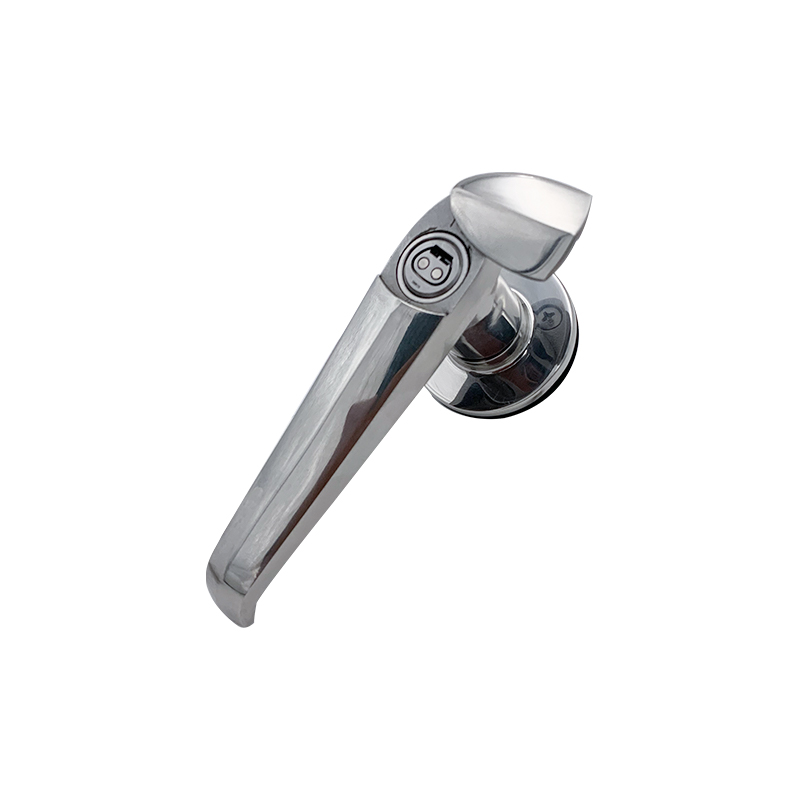
Cylindric locks are the most common lock type in residential and light commercial doors, named for the cylindrical lock body that houses the pin tumbler mechanism inside the knob or lever. A typical residential cylindric lock uses 5 to 6 pin stacks, each requiring the correct key cut to align the pins at the shear line before the cylinder can rotate and retract the latch.
Interior vs. Exterior Cylindric Locks
Interior cylindric locks are typically privacy or passage functions — privacy locks include the pinhole emergency release described above, while passage locks have no locking mechanism at all. Exterior cylindric locks are keyed on both sides or keyed outside with a turn-button inside, and are built with hardened steel components and anti-drill plates to resist forced entry attempts.
Understanding Electronic Locks
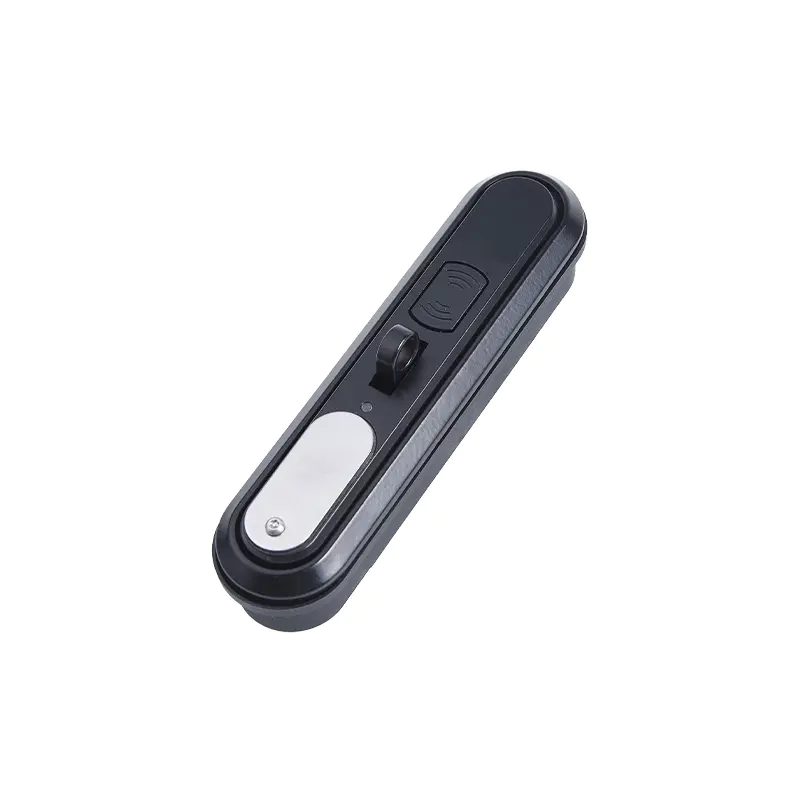
Electronic locks replace or supplement the traditional key with a keypad code, fingerprint scanner, RFID card, or smartphone app connection. Most residential electronic locks run on 4 AA batteries lasting 6-12 months under normal use, and nearly all models include a physical key override or emergency 9V battery terminal to restore access if the electronics fail.
What to Do If an Electronic Lock Won't Open
If a keypad or smart lock stops responding, the most common cause is low battery voltage, which most models signal with a flashing red light or audible warning before full failure. Touch a 9V battery to the external contact pins on the outside of the lock (usually located below the keypad) to supply temporary power and enter your code, then replace the internal batteries as soon as the door is open.
Cylindric Locks vs. Electronic Locks Compared
| Feature | Cylindric Lock | Electronic Lock |
|---|---|---|
| Access Method | Physical key | Code, fingerprint, card, or app |
| Power Source | None required | Batteries, typically AA x4 |
| Lost Access Recovery | Locksmith or spare key | Key override or backup power |
| Typical Price Range | $15-$80 | $100-$400 |
| Remote Monitoring | Not available | Available on Wi-Fi/app models |
Preventing Lockouts Before They Happen
- Keep a labeled spare key with a trusted neighbor or family member for exterior cylindric locks
- Replace electronic lock batteries proactively every 6 months rather than waiting for the low-battery warning
- Store the emergency release pin for interior privacy locks in a known, accessible location, such as a kitchen drawer
- Register smart lock apps with a secondary phone number or backup admin account in case of a lost device
Choosing the Right Lock for Each Door
For interior doors like bathrooms and bedrooms, a standard round privacy cylindric lock is sufficient and cost-effective, since security needs are minimal and the emergency release provides a simple safety backup. For front doors and other security-critical entry points, an electronic deadbolt with a physical key override offers the convenience of keyless entry for family members while retaining a reliable backup method if the battery fails.
Property managers overseeing multiple units often prefer electronic locks with app-based access logs, since temporary codes can be issued to contractors or guests and revoked remotely — eliminating the need to re-key locks after every tenant turnover, which typically costs $50-$150 per cylindric lock when done by a professional locksmith.