language
  Español
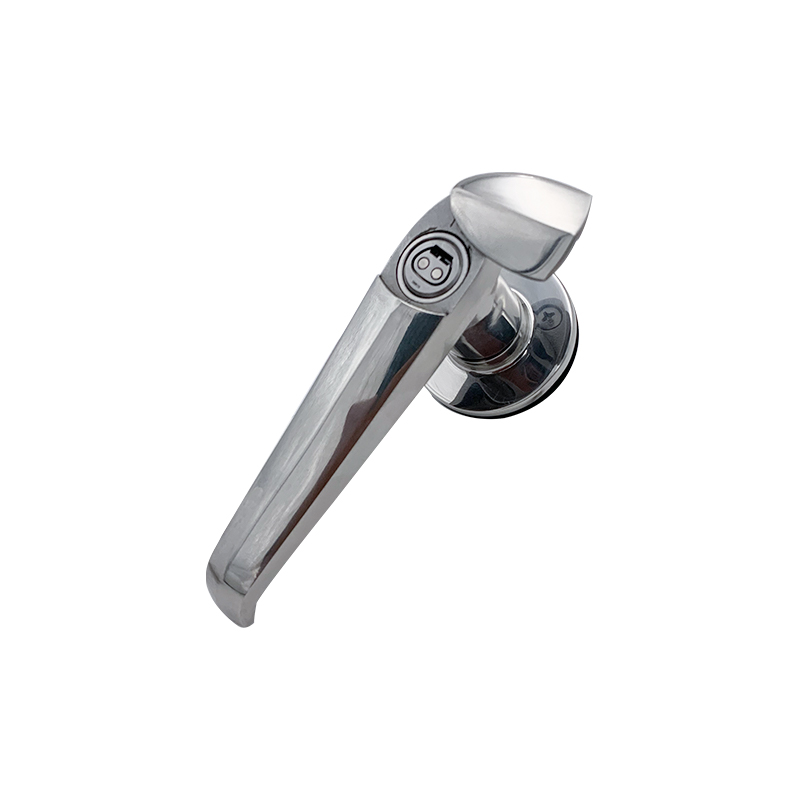
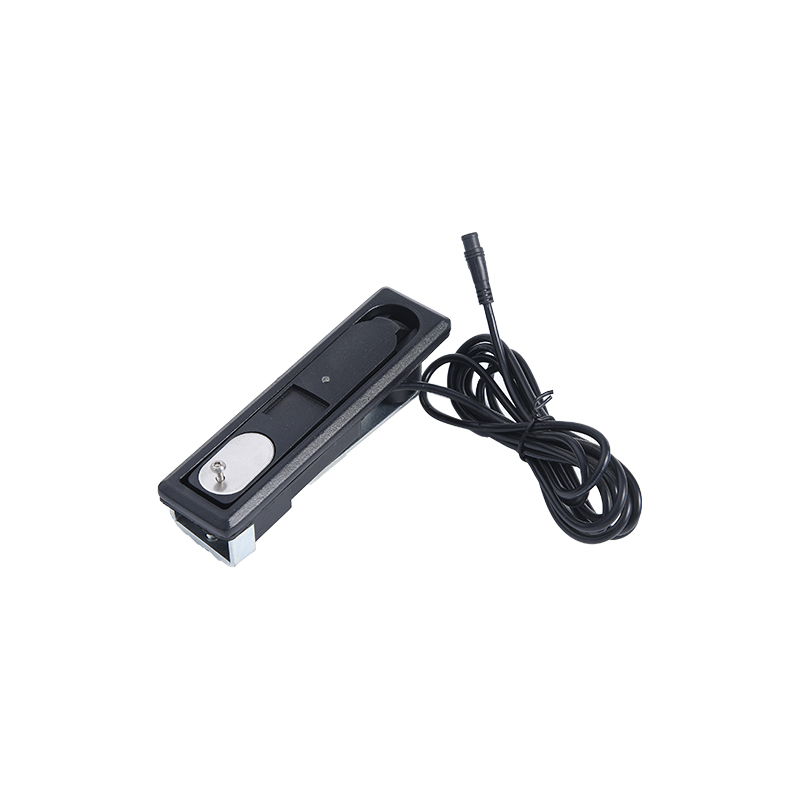
As technology continues to advance, particularly in the field of intelligent security, more innovative solutions are being applied to real-world scenarios, enhancing both equipment security and management efficiency. The DS705-2M Passive Electronic Lock is a prime example of such technology, combining modern electronics with simple operation to solve many of the limitations of traditional mechanical and electronic locks. It is widely used in critical infrastructure sectors such as power and industrial equipment, making it an indispensable part of these industries.
What sets the DS705-2M Passive Electronic Lock apart is its passive design, meaning it does not rely on batteries or external power sources. Instead, it uses an electronic key system for unlocking, significantly reducing maintenance costs and operational complexity. This article will provide a detailed explanation of how the DS705-2M works, how it differs from traditional mechanical and electronic locks, and its broad applications in various industries.
What Is a Passive Electronic Lock and How Does It Differ from Traditional Mechanical Locks?
What Does "Passive" Mean in Passive Electronic Locks?
A passive electronic lock is one that does not rely on an external power supply, such as batteries, to operate. Unlike traditional electronic locks, which typically need periodic battery replacements, the DS705-2M uses only an electronic key to unlock, eliminating the need for batteries. This makes it a low-maintenance solution that can operate reliably in harsh environments, such as power stations, industrial cabinets, and other critical infrastructure.
The primary advantage of this design is its low maintenance requirements, which are especially useful for facilities that need to remain operational for long periods without constant monitoring or upkeep. Since it doesn't require batteries, users no longer have to worry about replacing batteries or dealing with battery failures, reducing the complexity and cost of equipment management.
Key Differences Between Traditional Mechanical Locks and Electronic Locks
Traditional mechanical locks use physical keys for locking and unlocking, which, while simple, can suffer from issues like key loss, wear, or unauthorized duplication. Electronic locks, on the other hand, provide higher security by using digital keys, PIN codes, or biometric systems. These locks address some of the problems of traditional locks by eliminating the risk of key duplication.
However, traditional electronic locks still rely on batteries, which need to be replaced regularly, adding to maintenance costs. In contrast, the DS705-2M Passive Electronic Lock eliminates the need for batteries. This battery-free design greatly reduces maintenance costs and ensures that the lock will continue functioning in remote or harsh environments where traditional locks may fail.
Why Are Electronic Key Unlock Systems Gaining Popularity in the Power Industry?
How Electronic Key Unlock Technology Enhances Safety in Power Grid Management
In the power industry, safety is a critical concern, especially for facilities such as substations, power cabinets, and transformers. Unauthorized access could lead to severe consequences or equipment failure. The DS705-2M Passive Electronic Lock addresses this issue by providing a tamper-resistant, secure method of controlling access to high-risk areas.
Using the electronic key system, companies can ensure that only authorized personnel can access critical equipment. The lock also generates detailed logs of every access event, allowing administrators to track who accessed the equipment and when. This data traceability improves both security and operational accountability.
What Are the Benefits of Using Electronic Locks in Power Equipment Cabinets?
In power equipment cabinets, traditional mechanical locks present security risks, such as key loss or duplication. The DS705-2M solves this problem by offering a digital, encrypted key system. Access permissions can be easily granted or revoked remotely, ensuring that only authorized personnel can access sensitive equipment.
The use of electronic keys also makes access more efficient. Technicians no longer need to search for physical keys or worry about key loss. This streamlines maintenance and enhances security, making it a much better solution than traditional mechanical locks.
How DS705-2M Passive Electronic Locks Improve Equipment Safety Management?
What Makes the DS705-2M Model Ideal for Industrial and Electrical Equipment?
The DS705-2M is designed for durability and can withstand harsh environments. Its weatherproof, dustproof, and corrosion-resistant features make it ideal for industrial equipment and electrical systems that need to remain secure in extreme conditions. This lock can operate in high temperatures, low temperatures, and moisture-rich environments, making it perfect for a wide range of applications, such as telecommunications, energy, and automated systems.
Compared to traditional electronic locks, which require regular battery replacements, the DS705-2M's passive design significantly reduces maintenance costs. This is especially beneficial for devices that require long-term remote management, where traditional locks would not be as reliable.
How Does the DS705-2M Lock Prevent Unauthorized Access?
The DS705-2M uses encryption technology to ensure that each electronic key is unique and secure. The lock uses dynamic encryption algorithms to prevent stolen electronic keys from being misused. Even if a key is stolen, the system will immediately detect the unauthorized attempt and deny access.
Additionally, all access events are automatically logged, allowing administrators to track who accessed the equipment and when. This feature enhances security and ensures that only authorized personnel can access sensitive equipment.
What Role Does the DS705-2M Passive Electronic Lock Play in Smart Grid Applications?
How Does the DS705-2M Improve Smart Grid Security?
Smart grids require robust security to protect sensitive equipment and ensure reliable energy distribution. The DS705-2M Passive Electronic Lock plays a crucial role in securing these systems by providing a secure, tamper-resistant locking mechanism. It integrates seamlessly with other IoT-based devices and monitoring systems, allowing for remote control and real-time alerts for any security breaches.
The ability to control locks remotely and monitor access in real-time provides a high level of security for smart grid systems, ensuring that only authorized individuals can access critical components of the energy grid.
How Is DS705-2M Used in Remote Energy Management Systems?
In remote energy management systems, the DS705-2M lock allows administrators to control access to equipment from anywhere. This is particularly useful for distributed energy systems, where components are spread across large areas, making it difficult to manage manually.
By using DS705-2M locks, energy companies can ensure that all devices are secure, while reducing the need for onsite personnel, which cuts down operating costs.
Why Are Passive Electronic Locks Suitable for Outdoor Equipment?
How Does the DS705-2M Handle Harsh Outdoor Environments?
Outdoor equipment often faces extreme weather conditions, such as heavy rain, snow, and extreme temperatures. The DS705-2M Passive Electronic Lock is designed to be weatherproof and dustproof, making it ideal for use in outdoor settings like telecommunication towers, energy facilities, and security systems.
Its battery-free design is especially useful for remote or off-grid locations where traditional battery-powered locks may fail due to battery depletion.
What Makes the DS705-2M Ideal for Outdoor Equipment Security?
Because the DS705-2M doesn't rely on batteries, it is particularly well-suited for outdoor equipment security. Whether it’s for energy facilities or telecommunication equipment, this electronic lock provides long-term, reliable security without the need for external power sources. Its durable, weather-resistant design ensures that it will function reliably in harsh conditions.
Table: Comparison of DS705-2M and Traditional Electronic Locks
|
Feature |
DS705-2M Passive Electronic Lock |
Traditional Electronic Lock |
|
Power Supply |
Battery-free (Passive) |
Battery-powered |
|
Maintenance Requirements |
Low (No battery replacement) |
High (Battery replacement) |
|
Security Features |
Encrypted key, audit logs |
Basic key, limited logs |
|
Durability |
Weatherproof, dustproof |
Varies (depends on design) |
|
Ideal Use Cases |
Industrial, electrical, outdoor |
General office, home use |
How Does the Electronic Key Unlock System Improve Inspection and Maintenance Efficiency?
What Benefits Does Digital Access Provide for Maintenance Teams?
The DS705-2M lock simplifies maintenance by allowing access through electronic keys, eliminating the need for physical keys. This saves time and ensures that maintenance teams can access equipment without delay. Access logs are automatically generated, providing detailed records for future audits.
How Can Access Permissions Be Managed Efficiently with Electronic Keys?
With electronic keys, administrators can easily grant or revoke access permissions for maintenance staff and can update permissions as needed. This system ensures that only authorized personnel can access sensitive equipment, improving security and operational efficiency.
References
Hearle, J. W. S. – High Performance Fibres. Woodhead Publishing.
McKenna, H. A. – Handbook of Fibre Rope Technology. Woodhead Publishing.
The Cordage Institute – Fiber Rope Technical Manual.
ISO 9554 – Fibre Ropes General Specifications.
Budworth, G. – The Complete Rigger’s Apprentice.