language
  Español
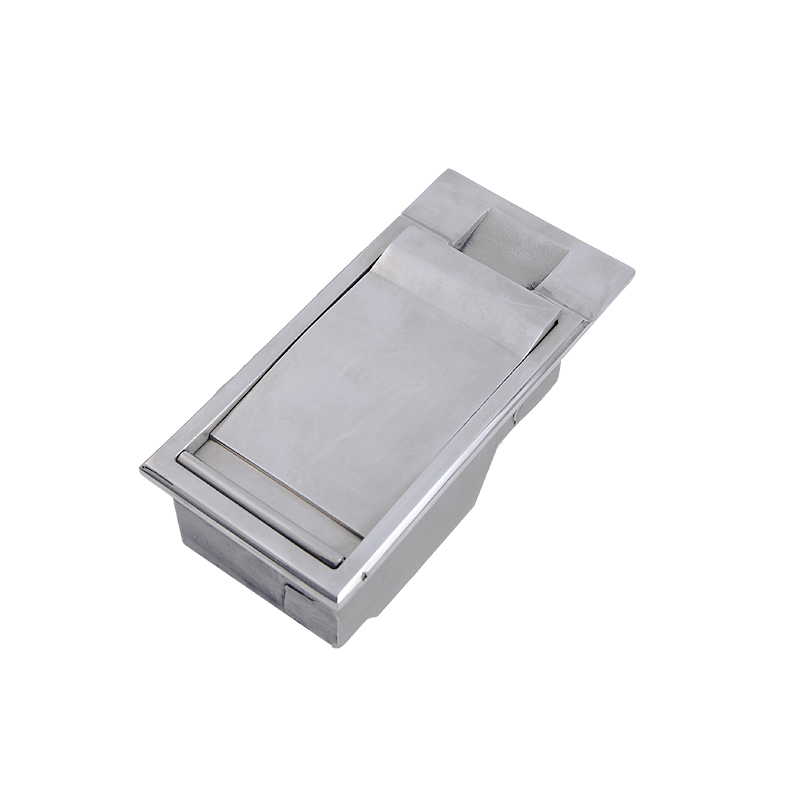
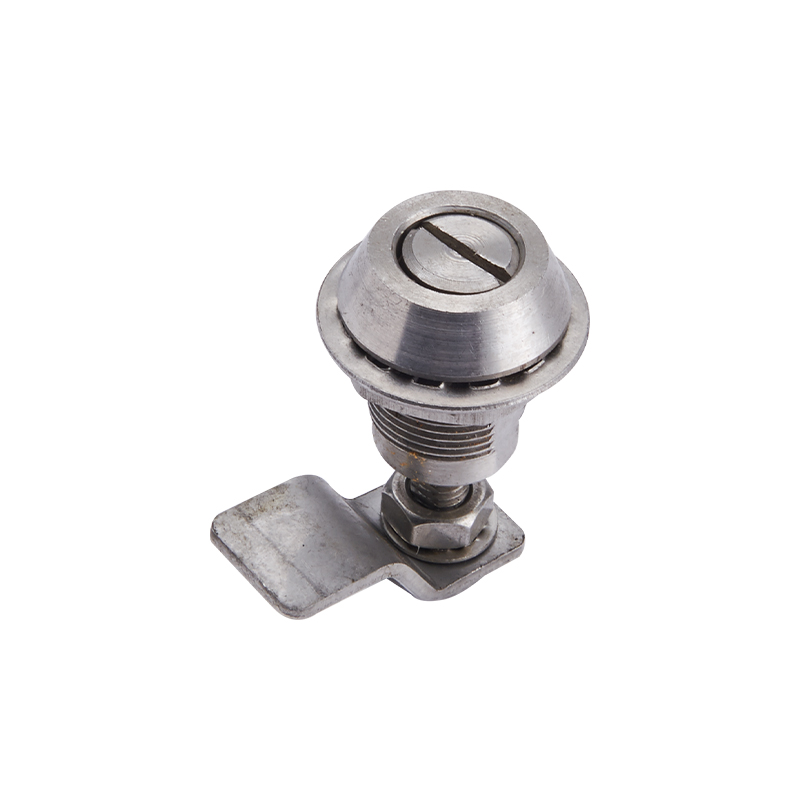
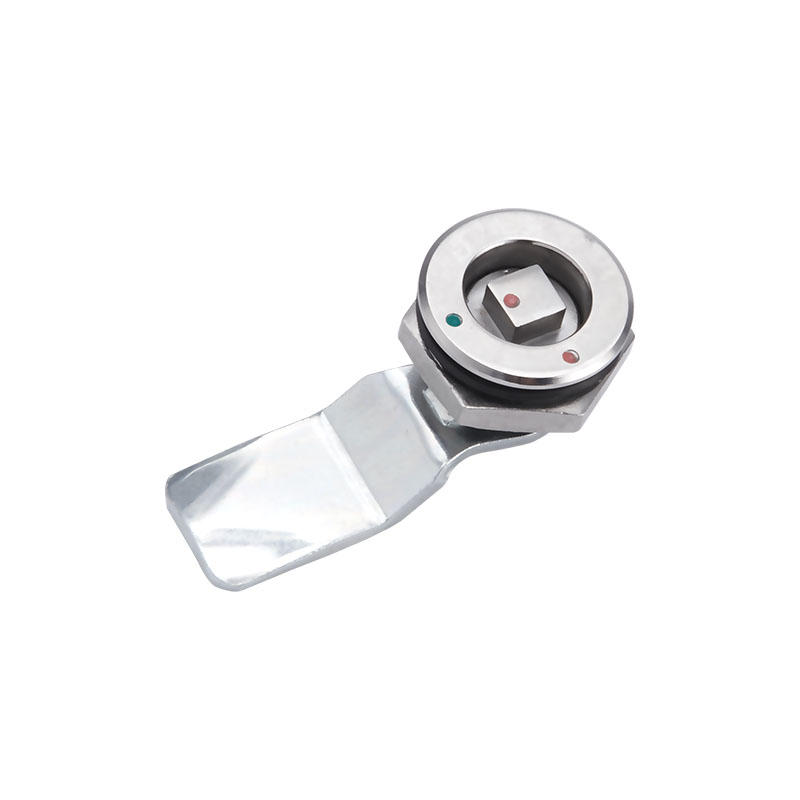
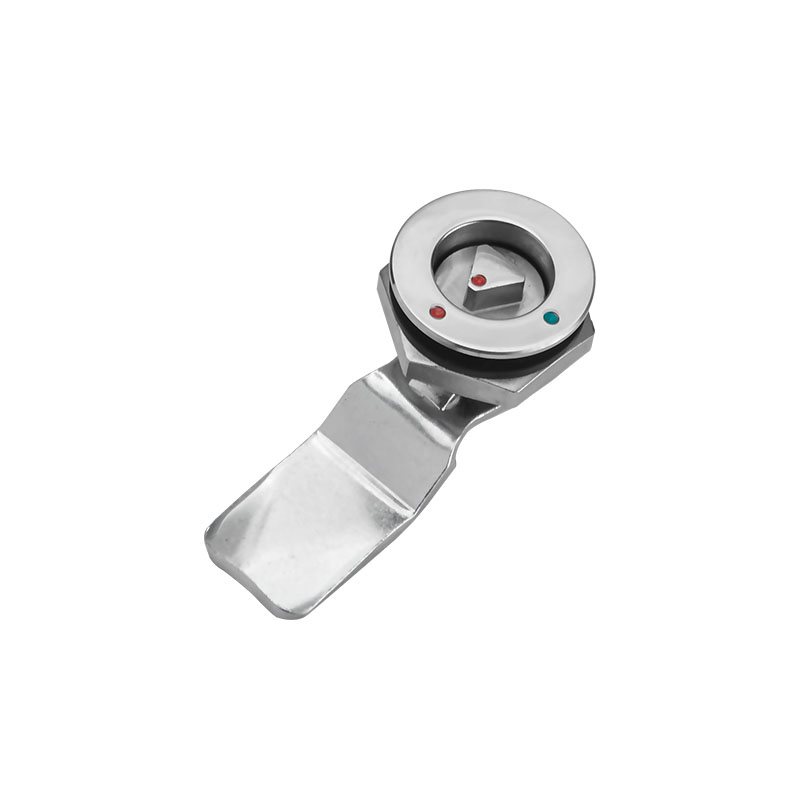
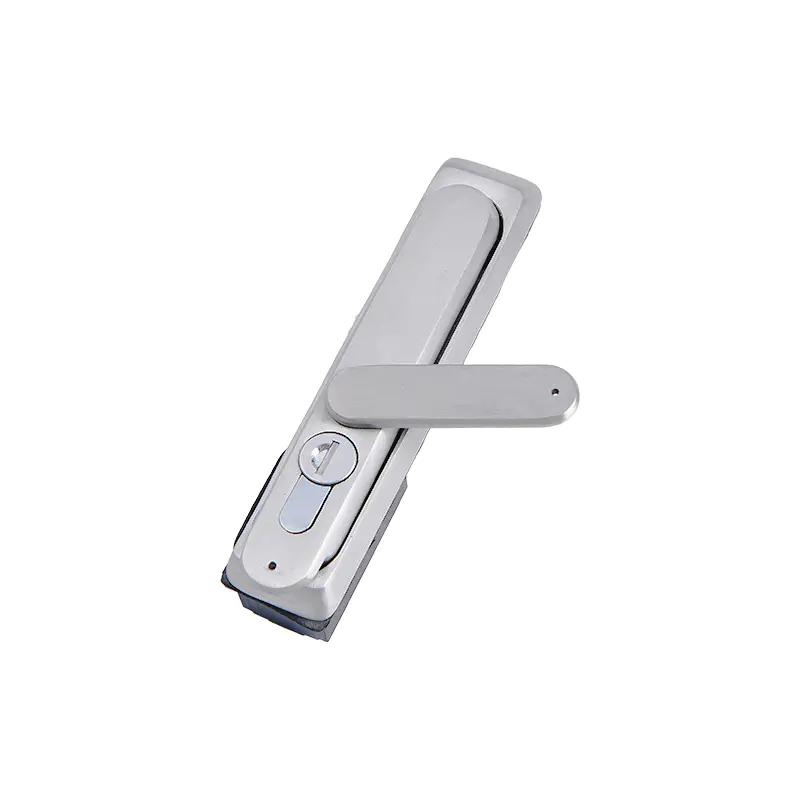
In modern industrial environments, equipment safety and asset protection remain important concerns for manufacturers, facility managers, and maintenance teams. From electrical cabinets to control panels and equipment enclosures, secure locking systems help protect critical components from unauthorized access and environmental exposure. Among the various locking solutions available today, Stainless Steel Industrial Box Change Locks are increasingly used in many industries because they support long-term safety, protection, durability, industrial applications, and manageable maintenance costs.
Industrial equipment is often exposed to demanding working conditions. Temperature changes, moisture, dust, and chemicals can affect the performance of ordinary locks over time. As a result, many companies are reviewing their hardware choices and considering stronger and more reliable locking systems. Stainless steel change locks are designed to meet these needs by providing consistent performance while helping reduce maintenance requirements.
The Role of Locking Systems in Industrial Equipment Safety
Industrial facilities rely on many types of enclosures and cabinets to protect electrical systems, control units, communication devices, and mechanical components. These enclosures often contain equipment that must remain secure during daily operations.
Locking systems help ensure that only authorized personnel can access these areas. When locks function properly, they contribute to workplace safety and help maintain stable operations.
Industrial locks typically serve several important functions:
Prevent unauthorized access to equipment
Protect sensitive components from damage
Support compliance with safety procedures
Reduce risks associated with accidental operation
When locking mechanisms wear out or become difficult to operate, they can affect both safety and efficiency. Replacing older locks with stainless steel industrial box change locks is one way companies improve equipment reliability while maintaining secure access control.
Why Stainless Steel Is Commonly Used in Industrial Locks
Material selection plays a major role in determining how well industrial hardware performs over time. Stainless steel has become a preferred material for many industrial locking systems because it offers a balanced combination of strength, corrosion resistance, and structural stability.
Industrial environments may expose hardware to moisture, cleaning chemicals, or airborne particles. In these situations, materials that resist corrosion and wear are particularly useful.
Stainless steel offers several advantages for industrial locks:
Resistance to corrosion in humid environments
Structural strength for repeated use
Stable performance in different temperatures
Long service life compared with some plated metals
Because of these characteristics, stainless steel locks are often used in outdoor equipment boxes, electrical cabinets, and control panels.
Understanding Stainless Steel Industrial Box Change Locks
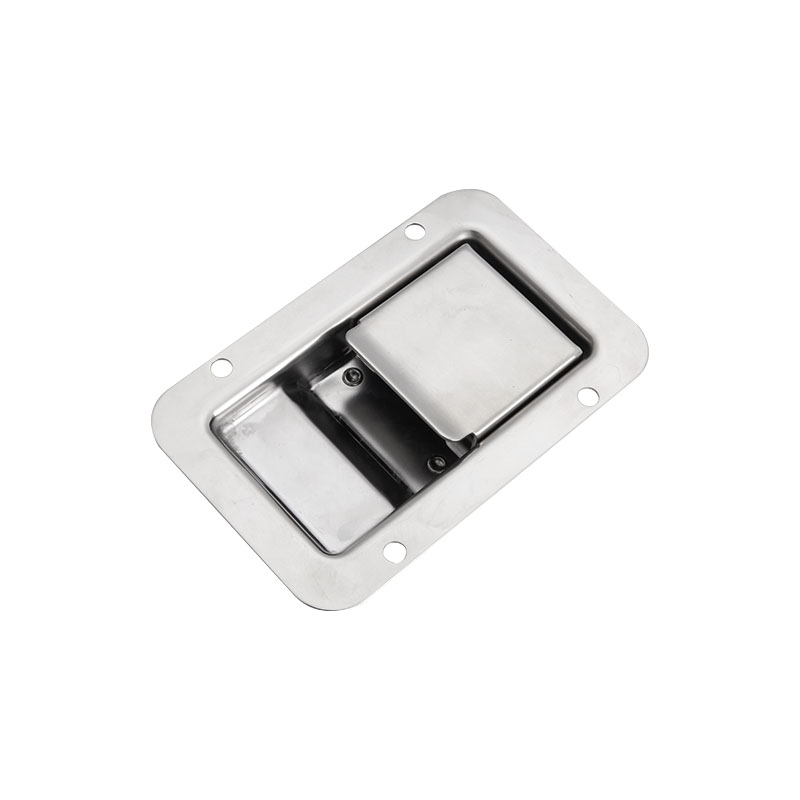
A Stainless Steel Industrial Box Change Lock is designed to replace or upgrade the locking mechanism used on industrial equipment enclosures. These locks are often installed on metal cabinets, distribution boxes, machinery panels, and other secured compartments.
The “change lock” design allows maintenance teams to replace a lock unit when needed without altering the entire enclosure structure. This approach helps simplify maintenance procedures and reduces the time required to update locking systems.
Typical features of stainless steel industrial box change locks include:
Compact locking structure suitable for equipment enclosures
Stainless steel body for durability and corrosion resistance
Simple installation for maintenance teams
Compatibility with different cabinet or box designs
These characteristics make them practical for many industrial environments where reliability and accessibility are both important.
Safety Benefits of Industrial Box Change Locks
Safety is one of the main reasons industrial facilities pay attention to lock quality. Equipment enclosures often contain electrical components or moving mechanical parts that require controlled access.
A secure locking system helps prevent untrained personnel from opening equipment boxes. This can reduce the chance of accidental contact with electrical circuits or mechanical systems.
Stainless steel industrial box change locks support safety in several ways:
They provide consistent locking performance over time.
The strong metal structure resists physical wear.
Locks remain functional even after repeated use.
Maintenance teams can replace worn locks when necessary.
These features help ensure that industrial cabinets remain securely closed until authorized staff perform maintenance or inspections.
Protection of Industrial Equipment and Components
Protection is another important function of industrial locking systems. Equipment enclosures are designed to shield internal components from dust, moisture, and accidental interference.
Locks play a supporting role by keeping enclosure doors firmly closed. If a lock becomes loose or damaged, the protective function of the enclosure may be reduced.
Stainless steel industrial box change locks help maintain equipment protection by offering:
Reliable locking engagement
Strong mechanical construction
Resistance to environmental exposure
Compatibility with sealed enclosure designs
These characteristics help maintain the protective barrier around sensitive equipment.
Durability in Industrial Environments
Durability is often a major consideration when selecting hardware for industrial equipment. Many facilities operate continuously, meaning hardware components may be used repeatedly during inspections, repairs, and routine checks.
Locks that wear out quickly may require frequent replacement, which increases maintenance workloads. Stainless steel industrial locks are designed to support long-term operation with minimal performance decline.
Several factors contribute to the durability of stainless steel locks:
Resistance to rust and corrosion
Strong metal composition
Reduced risk of surface damage
Ability to function in various environmental conditions
Because industrial equipment often remains in service for many years, durable locking hardware helps maintain operational stability.
Industrial Applications for Stainless Steel Box Locks
Stainless steel industrial box change locks are used in many types of equipment enclosures across different industries. Their simple structure and durable material allow them to be installed in a wide range of industrial settings.
Some common industrial applications include:
Electrical Distribution Cabinets
Electrical cabinets often contain wiring systems, circuit breakers, and control components. Locks help prevent unauthorized access and maintain safety during operation.
Control Panels for Machinery
Industrial machines frequently include control panels that require occasional adjustment or maintenance. Locks allow authorized technicians to access these areas when needed.
Outdoor Equipment Enclosures
Telecommunication systems, monitoring devices, and utility equipment are sometimes installed outdoors. Stainless steel locks help resist corrosion caused by weather exposure.
Industrial Storage Boxes
Facilities may use secure boxes to store specialized tools or spare components. Locks help ensure that these items remain protected and accessible only to authorized staff.
Because these applications involve different environmental conditions, durable materials such as stainless steel are commonly selected.
Comparing Stainless Steel Locks with Other Industrial Lock Materials
| Lock Material | Corrosion Resistance | Structural Strength | Maintenance Needs | Common Applications |
| Stainless Steel | High | Strong | Lower maintenance | Outdoor equipment, industrial cabinets |
| Zinc Alloy | Moderate | Moderate | Occasional maintenance | Indoor cabinets |
| Plated Steel | Moderate | Strong | May require coating care | Machinery enclosures |
| Aluminum | Good | Lightweight | Moderate maintenance | Lightweight equipment panels |
Maintenance Costs and Long-Term Efficiency
Maintenance costs are an important factor in industrial operations. Hardware components that require frequent replacement can increase both labor time and operational expenses.
Stainless steel industrial box change locks help control maintenance costs in several ways.
First, the corrosion resistance of stainless steel reduces the likelihood of rust-related failures. Locks are more likely to remain functional in humid or outdoor environments.
Second, the change-lock design allows maintenance teams to replace individual lock units without modifying the entire cabinet or enclosure.
Third, durable materials help extend the service life of the lock, reducing the frequency of replacements.
These characteristics can support long-term efficiency by helping facilities maintain secure equipment while keeping maintenance tasks manageable.
Practical Considerations When Choosing Industrial Box Locks
When selecting locking hardware for industrial equipment, several factors should be considered to ensure compatibility with the enclosure and the working environment.
Important considerations include:
Material selection for environmental resistance
Lock size and mounting dimensions
Key or locking mechanism design
Compatibility with existing cabinet structures
Facilities may also consider how frequently equipment is accessed and whether locks need to support frequent maintenance operations.
Choosing the right lock design helps ensure that safety, protection, and operational convenience remain balanced.
Future Trends in Industrial Locking Systems
As industrial equipment becomes more advanced, locking systems continue to evolve. While mechanical locks remain widely used, some facilities are exploring additional security technologies such as electronic access control or monitoring systems.
However, mechanical hardware such as stainless steel industrial box change locks continues to play an important role because of its reliability and simplicity.
Future developments may focus on:
Improved corrosion-resistant materials
Modular lock designs for easier replacement
Integration with access management systems
Enhanced durability for harsh environments
These developments aim to support industrial safety while maintaining practical maintenance procedures.
Budynas, R. G., & Nisbett, J. K. (2020). Shigley’s Mechanical Engineering Design. McGraw-Hill Education.
Callister, W. D., & Rethwisch, D. G. (2018). Materials Science and Engineering: An Introduction. Wiley.
International Organization for Standardization (ISO). (2015). ISO 9227: Corrosion Tests in Artificial Atmospheres – Salt Spray Tests.
Occupational Safety and Health Administration (OSHA). (2022). Control of Hazardous Energy (Lockout/Tagout) Standard.
ASM International. (2019). ASM Handbook Volume 13A: Corrosion – Fundamentals, Testing, and Protection.