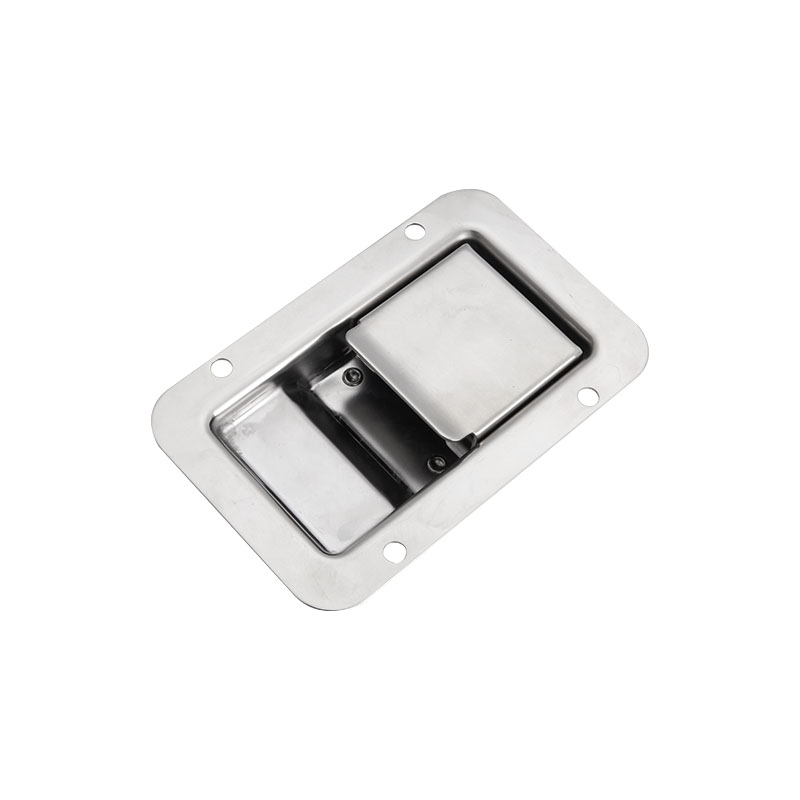
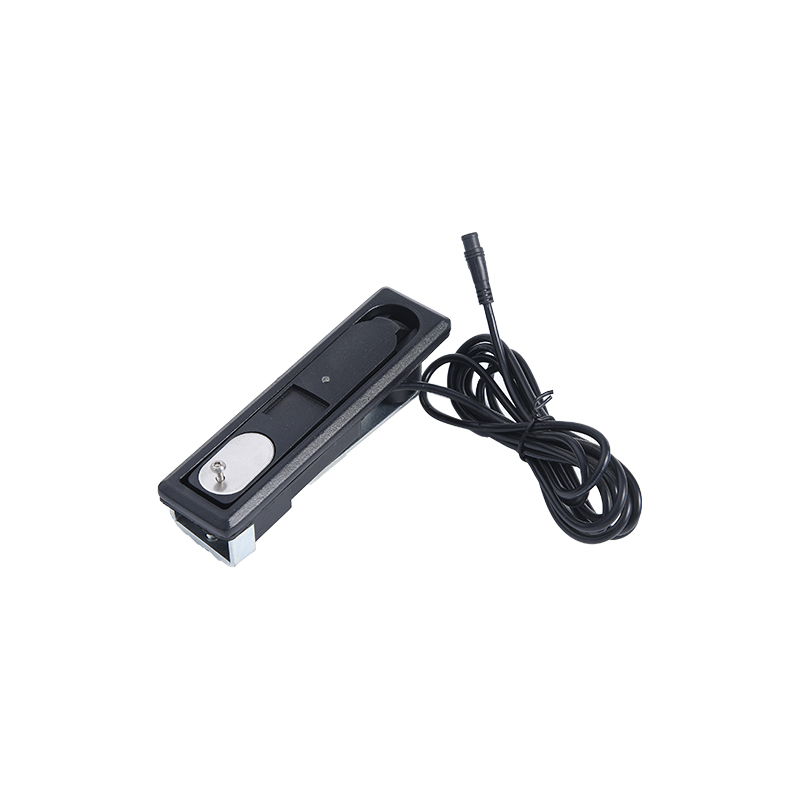
Best Lock Types for Home Security: A Manufacturer's Guide to Safer Doors Wholesale

Home / News / Industry News / Best Lock Types for Home Security: A Manufacturer's Guide to Safer Doors

Best Lock Types for Home Security: A Manufacturer's Guide to Safer Doors

Most people start shopping for a lock by choosing a finish and a brand. A better first question is simpler: what type of lock does this door actually need? A deadbolt, a lever set, a mortise lock, and an electronic lock each solve a different problem, and picking the wrong one for a front door leaves a gap that no amount of polishing will close.

We manufacture industrial locks, the heavy-duty hardware that secures switchgear cabinets, telecom enclosures, and transformer boxes, so we spend our days arguing about bolt throw, cylinder design, and how a mechanism behaves after ten years of rain, dust, and vibration. Not everything transfers to a home, but the underlying logic does. Here is how the main lock types compare, which ratings are worth reading, and where cheaper hardware usually gives way.

Why the Type of Lock Matters More Than the Brand

A brand name tells you who will answer the phone when something goes wrong. The lock type tells you what the hardware can physically do. A deadbolt resists a kick because the bolt travels deep into the strike and the frame, while a spring latch in a knob set can release under a firm push no matter how well it was made. In the same way, a lock with an exposed cylinder can be drilled or picked, while a shielded, high-security cylinder is much harder to reach.

Before comparing models, answer three practical questions:

  • How exposed is the door? A street-facing entry, a sheltered porch, and a coastal gate present very different risks.
  • Who needs to pass through it, and how often? Family members, guests, contractors, and delivery access all change the answer.
  • What are the door and frame made of? Solid timber, steel, aluminium, and hollow-core doors accept different hardware.

Once those answers are clear, the list of suitable lock types shrinks quickly, and you can spend your budget on the parts that matter instead of the parts that shine.

The Main Lock Types Used in Home Security

Deadbolts

The deadbolt is the baseline for exterior doors, and for good reason. It has no spring, so it cannot be slipped or pushed back, and a one-inch bolt throw that seats fully into the strike is the benchmark most standards work from. Single-cylinder deadbolts are opened with a key outside and a thumb turn inside, which is the safest option for everyday use. Double-cylinder versions need a key on both sides, which helps when glass sits within arm's reach of the lock, but they can slow an exit in an emergency, so many local codes restrict them. Whichever you choose, the strike plate and the screws holding it are part of the lock. A Grade 1 bolt in a soft frame with a two-screw strike will fail before an average bolt installed properly.

Knob and Lever Locksets

Almost every home has at least one. These are convenience hardware first and security hardware second: the latch is designed to hold a door closed, not to survive a forced entry. That is not a reason to avoid them, only a reason to pair them with a deadbolt on any door that leads outside. Lever handles are easier for children and for anyone with limited grip strength, while knobs tend to catch on clothing less often. If you are rekeying or replacing a set, check whether the cylinder can be removed and repinned without dismantling the whole door.

Cylinder Locks: Where Key Control Really Lives

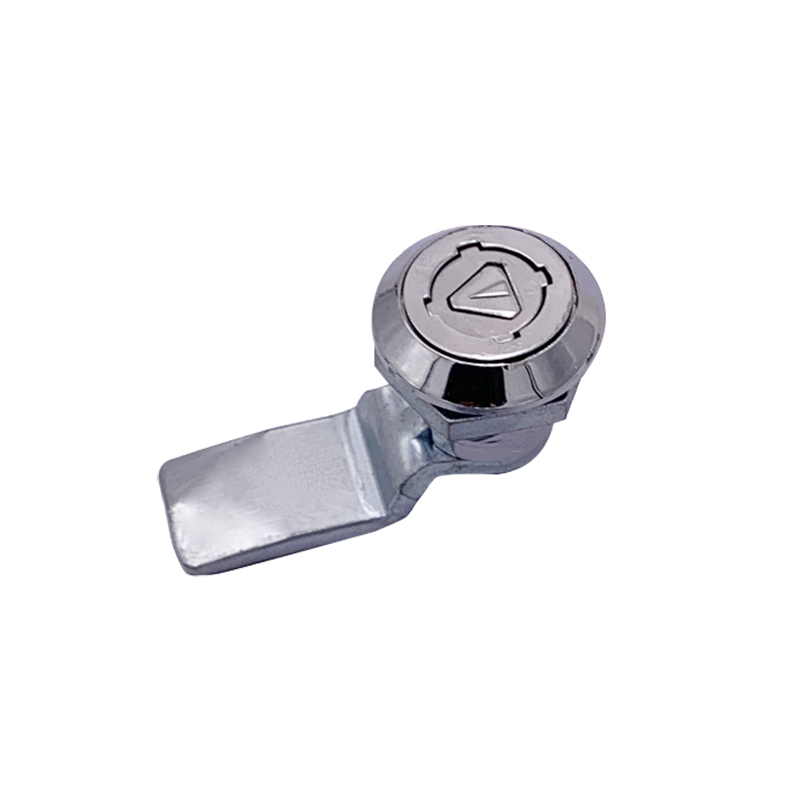
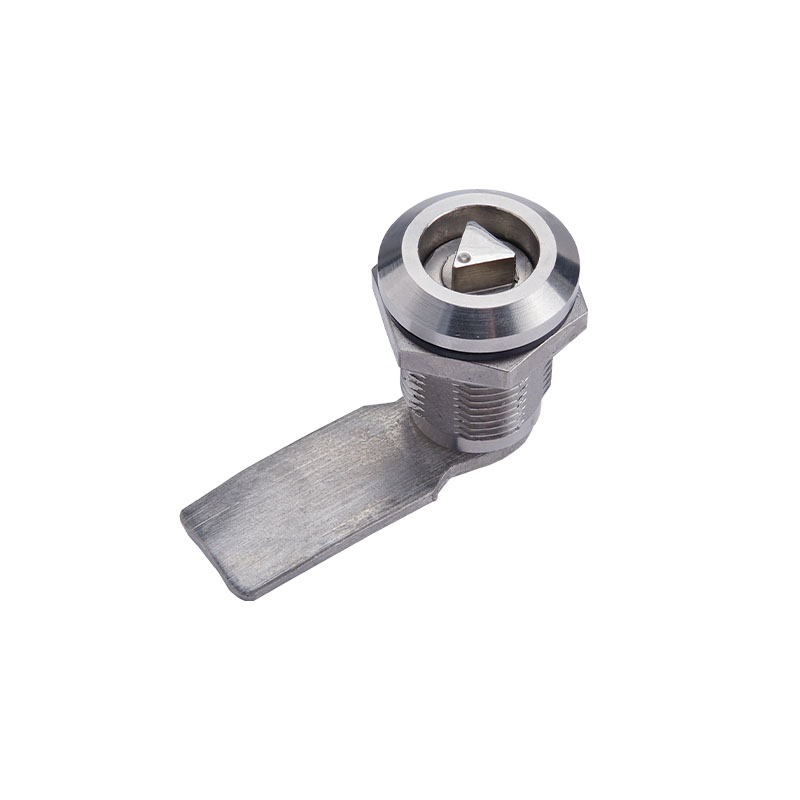
The cylinder is the small, round mechanism the key enters, and it is the part most attacks target. Pin tumbler cylinders with security pins, tight tolerances, and a cylinder that cannot be gripped with pliers are far harder to pick, drill, or snap than a basic wafer design. We build cylinder locks for cabinets and enclosures, and the fundamentals are identical on a front door: a hardened plug, a well-fitted housing, and a keyway that limits who can copy the key. If you would like to see how these mechanisms are assembled and where they are normally used, this explanation of how cylinder locks are built and applied is a good place to start.
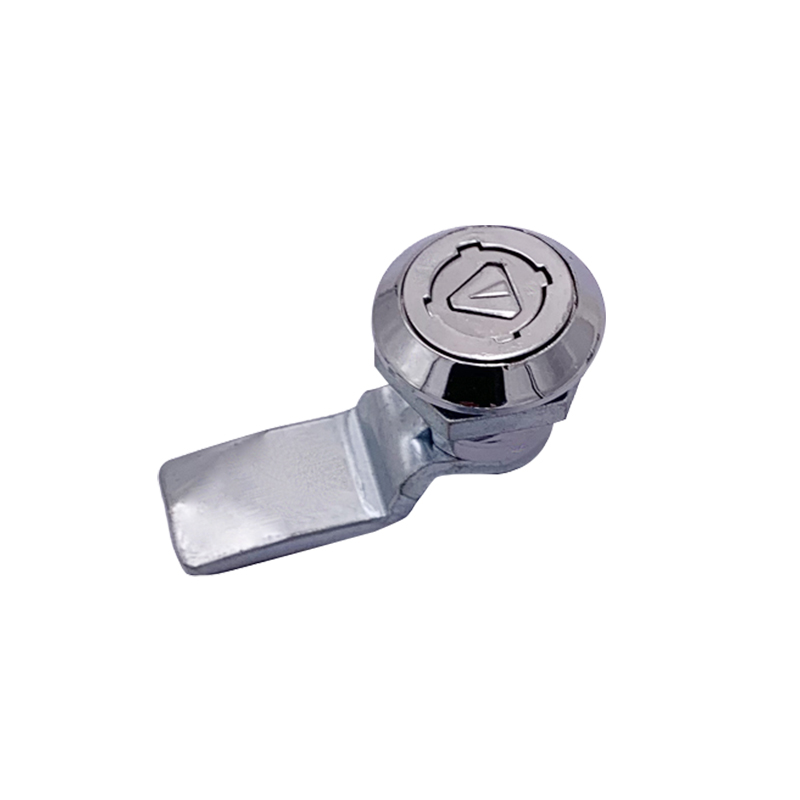
MS705-3B-3S SUS304 Stainless Steel Industrial Cylinder LockMS705-3B-3S SUS304 Stainless Steel Industrial Cylinder LockThis SUS304 stainless steel industrial cylinder lock offers 90-degree rotation, 270N static load, and 9 N.m torque, suited for cabinets and enclosures.View Product →

Material choice matters here too. A stainless steel cylinder body resists corrosion and deformation far better than a plated one, which is why we default to stainless in any application where moisture, salt air, or cleaning chemicals are part of daily life.

Smart and Electronic Locks

Keypads, fingerprint readers, app control, and temporary codes for guests have made electronic locks genuinely useful, especially for rentals and shared entrances. Mechanically, a well-built electronic deadbolt can match a mid-range mechanical one. The weak points sit elsewhere: batteries run flat, firmware needs updating, app accounts can be compromised, and the mechanical override is sometimes the cheapest part of the assembly. Treat the override cylinder as seriously as the electronics, and keep a physical key or code path that works when the network does not. We apply the same principle to the electronic locks we build for industrial enclosures, where a lost connection must never mean a locked-out crew.
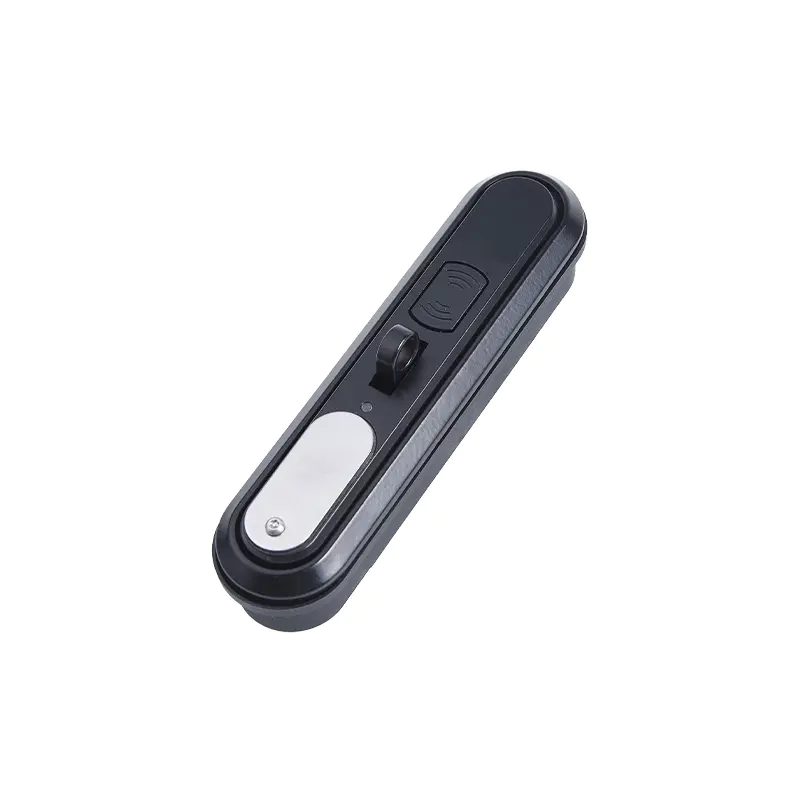
DS864-2P Active Electronic Lock for Industrial EnclosuresDS864-2P Active Electronic Lock for Industrial EnclosuresThis electronic lock offers APP, card, RS485, and emergency unlock, with IP65 rating and 200,000-cycle life for industrial cabinets.View Product →

Mortise and Multi-Point Locks

A mortise lock sits in a pocket cut into the edge of the door and usually combines a latch and a deadbolt in one body. They are common in older properties and in solid-core doors, and they are strong, but repairs generally need a specialist and replacement parts are less interchangeable. Multi-point systems take the idea further, driving bolts into the frame at the top, bottom, and side from a single handle. They offer excellent resistance to prying and are increasingly standard on modern insulated doors, at the cost of more complex installation and adjustment.

Compression Latches for Gates, Sheds, and Outdoor Cabinets

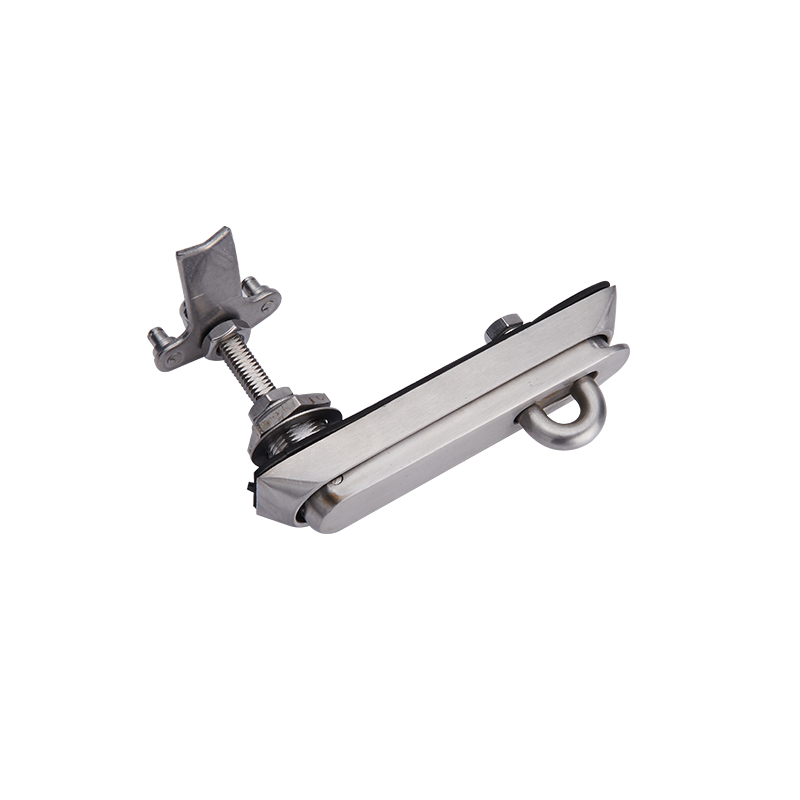
Not every door on a property is a front door. Garden gates, sheds, pool equipment boxes, and utility cabinets need hardware that copes with rain and temperature swings rather than resisting a crowbar. A compression latch pulls the door tight against its gasket as it locks, which seals out water and dust and stops the door rattling in the wind. That is the design we build for outdoor enclosures, and it is usually a better answer for a shed than an ornamental gate latch that looks the part but corrodes within two winters.
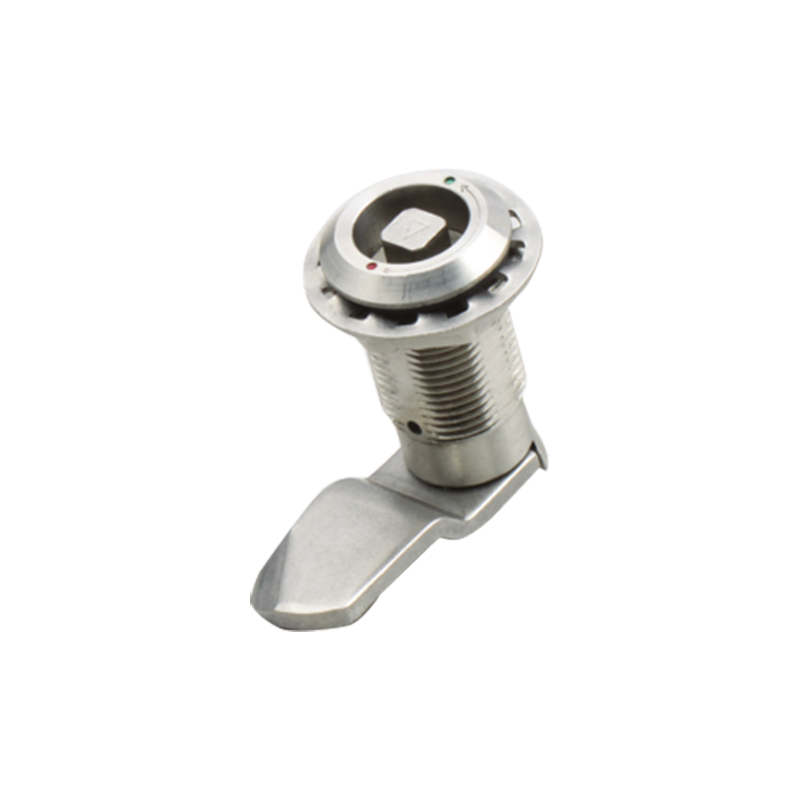
MS816-4B Stainless Steel Compression Latch Cabinet LockMS816-4B Stainless Steel Compression Latch Cabinet LockThis stainless steel compression latch lock provides 590 N static load and 90-degree rotation, ideal for outdoor cabinets and enclosures.View Product →

Comparing the Main Lock Types at a Glance

A quick comparison of lock types commonly considered for home security, based on typical residential installation rather than any single product.
Lock type Typical use Security level Main weakness
Single-cylinder deadbolt Front, back, and side doors High Thumb turn can be reached through nearby glass
Double-cylinder deadbolt Doors with glass within reach Very high Requires a key to exit, which is a fire-safety concern
Knob or lever lockset Interior rooms and secondary doors Low to medium Spring latch gives way under force
Mortise lock with deadbolt Older or solid-core exterior doors High Installation and repair need a specialist
Smart or electronic lock Main entry where keyless access is wanted Medium to high Depends on power, firmware, and account security
Multi-point locking system High-value entries and modern insulated doors Very high Higher cost and fiddly adjustment
Compression latch Sheds, gates, and outdoor cabinets Medium Seals and clamps rather than resists prying

Lock Grades and Ratings That Are Worth Reading

ANSI/BHMA grades are the most useful shorthand for residential hardware. Grade 1 is the toughest, Grade 2 is a solid middle ground, and Grade 3 covers basic residential products. A Grade 1 deadbolt has survived more cycles, impact, and torque testing than a Grade 3 unit, and the difference shows up in the strike, the bolt, and the cylinder housing rather than on the packaging. For key cylinders, UL 437 is the standard that separates high-security hardware from an ordinary pin tumbler. Doors that are fire rated must use listed hardware installed exactly as tested, and swapping parts on them is not a do-it-yourself job. If a product page never states a grade, treat the security language on it with caution.

Matching Lock Types to Each Entry Point

  • Front door: a Grade 1 or Grade 2 deadbolt plus a keyed lever or knob set, with a shielded cylinder and a reinforced strike.
  • Back and side doors: the same deadbolt specification, but choose hardware rated for outdoor exposure and check that the frame is solid.
  • Glass doors and doors with sidelights: a double-cylinder deadbolt or a keyless electronic lock, keeping local egress rules in mind.
  • Sheds, gates, and utility boxes: a compression latch or a heavy padlockable hasp, in stainless steel for coastal areas.
  • Interior rooms: simple privacy sets are enough, since deadbolts on interior doors add cost without adding much protection.
  • Apartment entries: hardware is often regulated by the landlord and by code, so confirm before changing anything.

Materials and Finishes Decide How Long a Lock Lasts

Zinc alloy and brass are the usual base materials for residential hardware, with stainless steel reserved for coastal, humid, or exposed installations. A 304 stainless steel body will not corrode the way plated steel does, and it holds its shape under load far longer. Finishes matter less than the substrate underneath: a mirror-polished coating on a steel base will pit long before a brushed stainless surface gives up. Check the bolt as well, since hardened steel resists cutting while soft alloys simply do not. We have seen plenty of hardware fail for the same reason in industrial settings and in homes: someone chose a component for how it looked and then left it to fight weather for years.

Questions We Hear Often

Which lock type is best for a front door?

Usually a Grade 1 or Grade 2 single-cylinder deadbolt paired with a keyed lever or knob set. Add a reinforced strike plate fixed with long screws that reach into the wall stud, because the strongest bolt in the world still depends on the frame it locks into.

Are smart locks as secure as mechanical locks?

Mechanically, a good electronic deadbolt can match a mid-range mechanical one. The risk sits in the electronics and the override: flat batteries, outdated firmware, weak app credentials, and a cheap back-up cylinder. Choose a model with a dependable physical or keypad backup and keep it serviceable.

Is a more expensive lock always better?

No. Fit matters as much as price. A well-made Grade 2 deadbolt in a solid frame will outperform a Grade 1 lock installed in a hollow door with a loose strike plate, and it will do so for years.

Home security works as a system, not as a single purchase. The lock type, the door, the frame, the strike plate, and the habits of everyone who lives there either reinforce each other or quietly undermine each other. Choose the type that suits the door and its exposure, insist on a grade that is actually stated, and install the hardware properly. That combination beats an expensive lock fitted badly every time.

We spend our working hours on industrial enclosures rather than front doors, but the questions we ask before designing any mechanism are the same ones worth asking at home: what is being protected, who needs access, and what will the weather do to it in ten years? If you would like to see the material grades and locking mechanisms that come out of that thinking, you can browse our product range to get a feel for how the hardware is built.

Product Description

OUR COMPANY

We are a high-quality manufacturer specializing in
R&D, production and sales of industrial locks.

Ningbo Oubao Technology Co., Ltd.

As China Best Lock Types for Home Security: A Manufacturer's Guide to Safer Doors Suppliers and Best Lock Types for Home Security: A Manufacturer's Guide to Safer Doors Factory, Ningbo Oubao Technology Co., Ltd. specializes in the production of high and low voltage switch cabinet locks, chassis cabinet locks, instrument cabinet locks, communication cabinet locks electronic locks and hinges, handles, limit devices, cabinet lock accessories and other products, which are widely used in industrial cabinets, engineering Machinery, network, communication, computer industry, automobile industry, navigation, high-speed rail, rail transportation, machinery and equipment and other industries. In order to adapt to the development of the market, Oubao has developed more than ten types of electronic lock product models, which have various functions such as APP unlocking, WeChat temporary authorized unlocking, remote wireless unlocking, and Bluetooth copper key emergency unlocking. Survive, honest service and development" business purpose. Committed to providing you with high-quality products and high-quality services. There is a professional and dedicated design management team, from product design, mold making, product die-casting, sprinting, hardware CNC machining, surface treatment, to assembly, every link and process has been strictly tested and controlled. In recent years, the company has continuously Introduce advanced technology and equipment to optimize production efficiency.

News

Contact

Please complete the form below and one of our team will get back to you as soon as possible.

News

Home / News / Industry News / Best Lock Types for Home Security: A Manufacturer's Guide to Safer Doors

Best Lock Types for Home Security: A Manufacturer's Guide to Safer Doors

Most people start shopping for a lock by choosing a finish and a brand. A better first question is simpler: what type of lock does this door actually need? A deadbolt, a lever set, a mortise lock, and an electronic lock each solve a different problem, and picking the wrong one for a front door leaves a gap that no amount of polishing will close.

We manufacture industrial locks, the heavy-duty hardware that secures switchgear cabinets, telecom enclosures, and transformer boxes, so we spend our days arguing about bolt throw, cylinder design, and how a mechanism behaves after ten years of rain, dust, and vibration. Not everything transfers to a home, but the underlying logic does. Here is how the main lock types compare, which ratings are worth reading, and where cheaper hardware usually gives way.

Why the Type of Lock Matters More Than the Brand

A brand name tells you who will answer the phone when something goes wrong. The lock type tells you what the hardware can physically do. A deadbolt resists a kick because the bolt travels deep into the strike and the frame, while a spring latch in a knob set can release under a firm push no matter how well it was made. In the same way, a lock with an exposed cylinder can be drilled or picked, while a shielded, high-security cylinder is much harder to reach.

Before comparing models, answer three practical questions:

  • How exposed is the door? A street-facing entry, a sheltered porch, and a coastal gate present very different risks.
  • Who needs to pass through it, and how often? Family members, guests, contractors, and delivery access all change the answer.
  • What are the door and frame made of? Solid timber, steel, aluminium, and hollow-core doors accept different hardware.

Once those answers are clear, the list of suitable lock types shrinks quickly, and you can spend your budget on the parts that matter instead of the parts that shine.

The Main Lock Types Used in Home Security

Deadbolts

The deadbolt is the baseline for exterior doors, and for good reason. It has no spring, so it cannot be slipped or pushed back, and a one-inch bolt throw that seats fully into the strike is the benchmark most standards work from. Single-cylinder deadbolts are opened with a key outside and a thumb turn inside, which is the safest option for everyday use. Double-cylinder versions need a key on both sides, which helps when glass sits within arm's reach of the lock, but they can slow an exit in an emergency, so many local codes restrict them. Whichever you choose, the strike plate and the screws holding it are part of the lock. A Grade 1 bolt in a soft frame with a two-screw strike will fail before an average bolt installed properly.

Knob and Lever Locksets

Almost every home has at least one. These are convenience hardware first and security hardware second: the latch is designed to hold a door closed, not to survive a forced entry. That is not a reason to avoid them, only a reason to pair them with a deadbolt on any door that leads outside. Lever handles are easier for children and for anyone with limited grip strength, while knobs tend to catch on clothing less often. If you are rekeying or replacing a set, check whether the cylinder can be removed and repinned without dismantling the whole door.

Cylinder Locks: Where Key Control Really Lives

The cylinder is the small, round mechanism the key enters, and it is the part most attacks target. Pin tumbler cylinders with security pins, tight tolerances, and a cylinder that cannot be gripped with pliers are far harder to pick, drill, or snap than a basic wafer design. We build cylinder locks for cabinets and enclosures, and the fundamentals are identical on a front door: a hardened plug, a well-fitted housing, and a keyway that limits who can copy the key. If you would like to see how these mechanisms are assembled and where they are normally used, this explanation of how cylinder locks are built and applied is a good place to start.

MS705-3B-3S SUS304 Stainless Steel Industrial Cylinder LockMS705-3B-3S SUS304 Stainless Steel Industrial Cylinder LockThis SUS304 stainless steel industrial cylinder lock offers 90-degree rotation, 270N static load, and 9 N.m torque, suited for cabinets and enclosures.View Product →

Material choice matters here too. A stainless steel cylinder body resists corrosion and deformation far better than a plated one, which is why we default to stainless in any application where moisture, salt air, or cleaning chemicals are part of daily life.

Smart and Electronic Locks

Keypads, fingerprint readers, app control, and temporary codes for guests have made electronic locks genuinely useful, especially for rentals and shared entrances. Mechanically, a well-built electronic deadbolt can match a mid-range mechanical one. The weak points sit elsewhere: batteries run flat, firmware needs updating, app accounts can be compromised, and the mechanical override is sometimes the cheapest part of the assembly. Treat the override cylinder as seriously as the electronics, and keep a physical key or code path that works when the network does not. We apply the same principle to the electronic locks we build for industrial enclosures, where a lost connection must never mean a locked-out crew.

DS864-2P Active Electronic Lock for Industrial EnclosuresDS864-2P Active Electronic Lock for Industrial EnclosuresThis electronic lock offers APP, card, RS485, and emergency unlock, with IP65 rating and 200,000-cycle life for industrial cabinets.View Product →

Mortise and Multi-Point Locks

A mortise lock sits in a pocket cut into the edge of the door and usually combines a latch and a deadbolt in one body. They are common in older properties and in solid-core doors, and they are strong, but repairs generally need a specialist and replacement parts are less interchangeable. Multi-point systems take the idea further, driving bolts into the frame at the top, bottom, and side from a single handle. They offer excellent resistance to prying and are increasingly standard on modern insulated doors, at the cost of more complex installation and adjustment.

Compression Latches for Gates, Sheds, and Outdoor Cabinets

Not every door on a property is a front door. Garden gates, sheds, pool equipment boxes, and utility cabinets need hardware that copes with rain and temperature swings rather than resisting a crowbar. A compression latch pulls the door tight against its gasket as it locks, which seals out water and dust and stops the door rattling in the wind. That is the design we build for outdoor enclosures, and it is usually a better answer for a shed than an ornamental gate latch that looks the part but corrodes within two winters.

MS816-4B Stainless Steel Compression Latch Cabinet LockMS816-4B Stainless Steel Compression Latch Cabinet LockThis stainless steel compression latch lock provides 590 N static load and 90-degree rotation, ideal for outdoor cabinets and enclosures.View Product →

Comparing the Main Lock Types at a Glance

A quick comparison of lock types commonly considered for home security, based on typical residential installation rather than any single product.
Lock type Typical use Security level Main weakness
Single-cylinder deadbolt Front, back, and side doors High Thumb turn can be reached through nearby glass
Double-cylinder deadbolt Doors with glass within reach Very high Requires a key to exit, which is a fire-safety concern
Knob or lever lockset Interior rooms and secondary doors Low to medium Spring latch gives way under force
Mortise lock with deadbolt Older or solid-core exterior doors High Installation and repair need a specialist
Smart or electronic lock Main entry where keyless access is wanted Medium to high Depends on power, firmware, and account security
Multi-point locking system High-value entries and modern insulated doors Very high Higher cost and fiddly adjustment
Compression latch Sheds, gates, and outdoor cabinets Medium Seals and clamps rather than resists prying

Lock Grades and Ratings That Are Worth Reading

ANSI/BHMA grades are the most useful shorthand for residential hardware. Grade 1 is the toughest, Grade 2 is a solid middle ground, and Grade 3 covers basic residential products. A Grade 1 deadbolt has survived more cycles, impact, and torque testing than a Grade 3 unit, and the difference shows up in the strike, the bolt, and the cylinder housing rather than on the packaging. For key cylinders, UL 437 is the standard that separates high-security hardware from an ordinary pin tumbler. Doors that are fire rated must use listed hardware installed exactly as tested, and swapping parts on them is not a do-it-yourself job. If a product page never states a grade, treat the security language on it with caution.

Matching Lock Types to Each Entry Point

  • Front door: a Grade 1 or Grade 2 deadbolt plus a keyed lever or knob set, with a shielded cylinder and a reinforced strike.
  • Back and side doors: the same deadbolt specification, but choose hardware rated for outdoor exposure and check that the frame is solid.
  • Glass doors and doors with sidelights: a double-cylinder deadbolt or a keyless electronic lock, keeping local egress rules in mind.
  • Sheds, gates, and utility boxes: a compression latch or a heavy padlockable hasp, in stainless steel for coastal areas.
  • Interior rooms: simple privacy sets are enough, since deadbolts on interior doors add cost without adding much protection.
  • Apartment entries: hardware is often regulated by the landlord and by code, so confirm before changing anything.

Materials and Finishes Decide How Long a Lock Lasts

Zinc alloy and brass are the usual base materials for residential hardware, with stainless steel reserved for coastal, humid, or exposed installations. A 304 stainless steel body will not corrode the way plated steel does, and it holds its shape under load far longer. Finishes matter less than the substrate underneath: a mirror-polished coating on a steel base will pit long before a brushed stainless surface gives up. Check the bolt as well, since hardened steel resists cutting while soft alloys simply do not. We have seen plenty of hardware fail for the same reason in industrial settings and in homes: someone chose a component for how it looked and then left it to fight weather for years.

Questions We Hear Often

Which lock type is best for a front door?

Usually a Grade 1 or Grade 2 single-cylinder deadbolt paired with a keyed lever or knob set. Add a reinforced strike plate fixed with long screws that reach into the wall stud, because the strongest bolt in the world still depends on the frame it locks into.

Are smart locks as secure as mechanical locks?

Mechanically, a good electronic deadbolt can match a mid-range mechanical one. The risk sits in the electronics and the override: flat batteries, outdated firmware, weak app credentials, and a cheap back-up cylinder. Choose a model with a dependable physical or keypad backup and keep it serviceable.

Is a more expensive lock always better?

No. Fit matters as much as price. A well-made Grade 2 deadbolt in a solid frame will outperform a Grade 1 lock installed in a hollow door with a loose strike plate, and it will do so for years.

Home security works as a system, not as a single purchase. The lock type, the door, the frame, the strike plate, and the habits of everyone who lives there either reinforce each other or quietly undermine each other. Choose the type that suits the door and its exposure, insist on a grade that is actually stated, and install the hardware properly. That combination beats an expensive lock fitted badly every time.

We spend our working hours on industrial enclosures rather than front doors, but the questions we ask before designing any mechanism are the same ones worth asking at home: what is being protected, who needs access, and what will the weather do to it in ten years? If you would like to see the material grades and locking mechanisms that come out of that thinking, you can browse our product range to get a feel for how the hardware is built.