language
 Español

Moving a hotel from metal keys or magnetic cards to an RFID door lock system touches check-in, housekeeping, lost-card recovery, fire safety, IT, and maintenance. The right system makes daily access quieter; the wrong one adds calls at the front desk. This guide covers the parts, trade-offs, and questions to settle before you sign.
What a hotel RFID door lock system actually includes
An RFID hotel lock is a chain, not a single cylinder. A guest presents a 13.56 MHz card, fob, wristband, or phone to a reader. The reader authenticates it and signals the lock controller to release. The controller may sit in the lock, a wall unit, or a network panel. Software manages who can go where and when. If any link is weak, the guest feels it at the door.
The lock body still matters
You still need the right mortise, cylindrical, or narrow-stile hardware for the door. Fire-rated doors need safe egress. Power may be battery or wired. Online locks report to software; offline locks store permissions and upload audits later. Do not let a tap-and-open demo hide power, network, alignment, and battery access.
Software and PMS integration
Most hotels want PMS or access software to issue, extend, and revoke credentials. Ask what happens when PMS is down, how staff and vendor access expire, and how lost cards are cancelled. Integration is a daily workflow, not a checkbox.
Why hotels choose RFID, and where it still falls short
RFID fixes several old problems. Lost credentials can be revoked at once; mechanical keys cannot. Check-in can issue access in seconds. Housekeeping and maintenance can receive time-limited, zone-based rights. The system can show who entered and when. Cards also survive pockets better than magnetic stripes.
Benefits depend on installation. A misaligned door, weak battery, or flaky network can make modern access feel worse than a brass key. RFID is an operations change as much as a technology change.
RFID cards, mobile access, and mechanical keys compared
Use the table as a starting point. Door type, fire strategy, and local code will narrow the options.
| Credential type | Main strength | What to watch |
|---|---|---|
| Mechanical key | Simple, no power, low upfront cost | Hard to revoke, easy to duplicate, no audit trail |
| Magnetic-stripe card | Familiar and inexpensive | Stripe wear, cloning risk, damage from pockets |
| RFID card or fob | Fast, durable, revocable, auditable | Credential encryption, reader quality, battery management |
| Mobile or BLE credential | Guest convenience, fewer desk stops | Phone compatibility, power, fallback, staff training |
RFID is not automatically secure because it is contactless. Check credential encryption, reader authentication, and instant revocation.
Choosing the right system for your property
Start with a door survey
Survey every door before comparing software: material, fire rating, closer, frame, thickness, power, and exposure. Coastal or poolside rooms need corrosion-resistant finishes. Fire doors need safe egress. A lock that fits a showroom door may not fit a 40-year-old guest-room door.
Online, offline, or hybrid
Online control gives real-time revocation, diagnostics, and audit, but needs network and power discipline. Offline locks keep working when the network fails, yet rely on distributed updates. Hybrid designs can be sensible. Choose by risk and maintenance capacity, not by the word smart.
Total cost, not sticker price
Include installation, door remediation, network, licenses, cards, encoders, batteries, service, spares, training, warranty, and firmware support. Ask for a five-year view and how the system grows from 30 to 300 rooms without replacing its core.
Security, installation, and the 2 a.m. test
Put these on the tender: encrypted credentials and mutual authentication; audit trails; staff access with expiry and zones; emergency override and fire-alarm release; fail-safe or fail-secure behavior by door; firmware response; lost-card workflow. Ask for a live revocation test, not only a tap-and-open demo.
The best system is the one your team can support at 2 a.m. Commissioning should test alignment, reader range, battery level, audit upload, PMS connection, and a documented fallback. Keep spares and train front desk and housekeeping. Salt air, cleaning chemicals, and heavy closers are normal hotel conditions.
Back-of-house cabinets: where industrial locking experience helps
Guest-room access gets attention, but hotels also secure server racks, electrical rooms, pool-chemical cabinets, maintenance stores, and vendor lockers. Those doors need durability and controlled keys, not guest-room styling.
At Ningbo Oubao Technology, we design and manufacture industrial locks and electronic locking mechanisms for cabinets and enclosures. We do not make hospitality guest-room locks, and we will not present a cabinet lock as one. The relevant experience is power-failure behavior, corrosion resistance, credential handling, and service access.
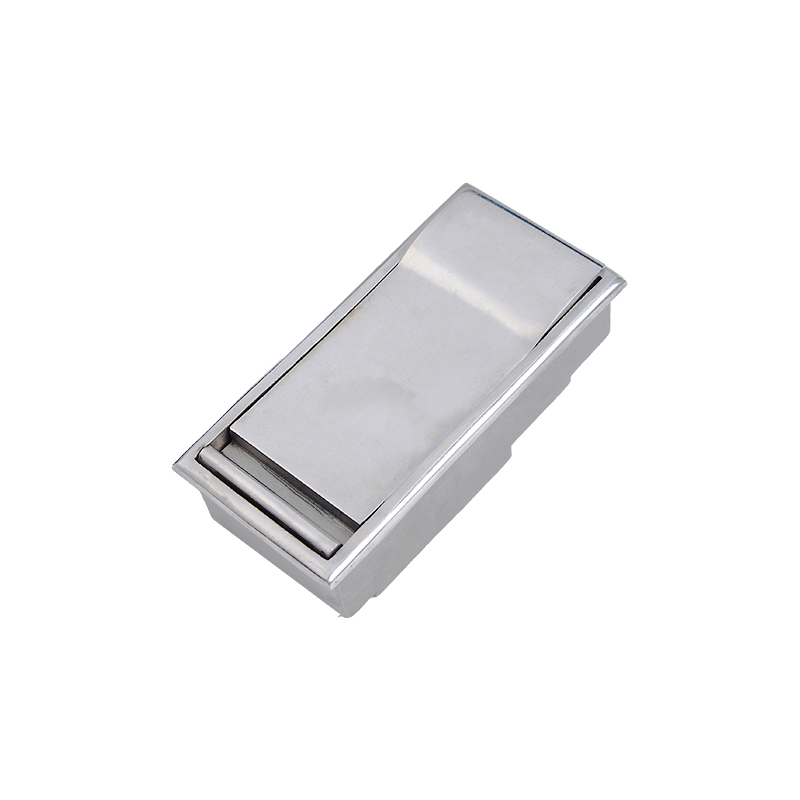
For back-of-house enclosures that need multiple unlocking methods and controlled access, the DS8642P active electronic lock is a practical example.
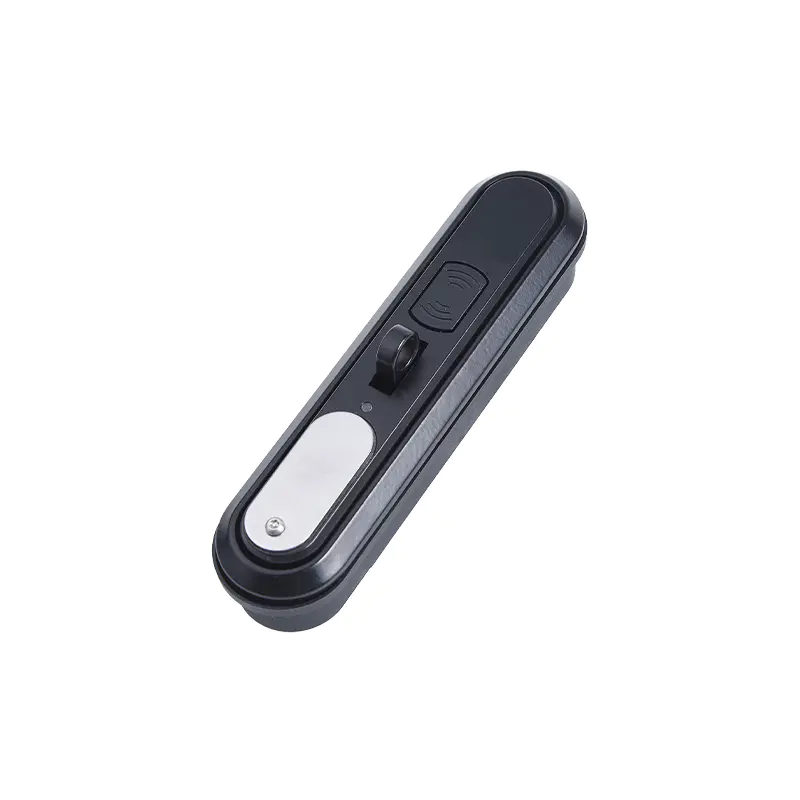 DS864-2P Active Electronic Lock with Multiple Unlocking MethodsFor controlled back-of-house enclosures, this active lock supports Bluetooth, card, RS485 and emergency unlocking with a zinc-alloy base and handle.View Product →
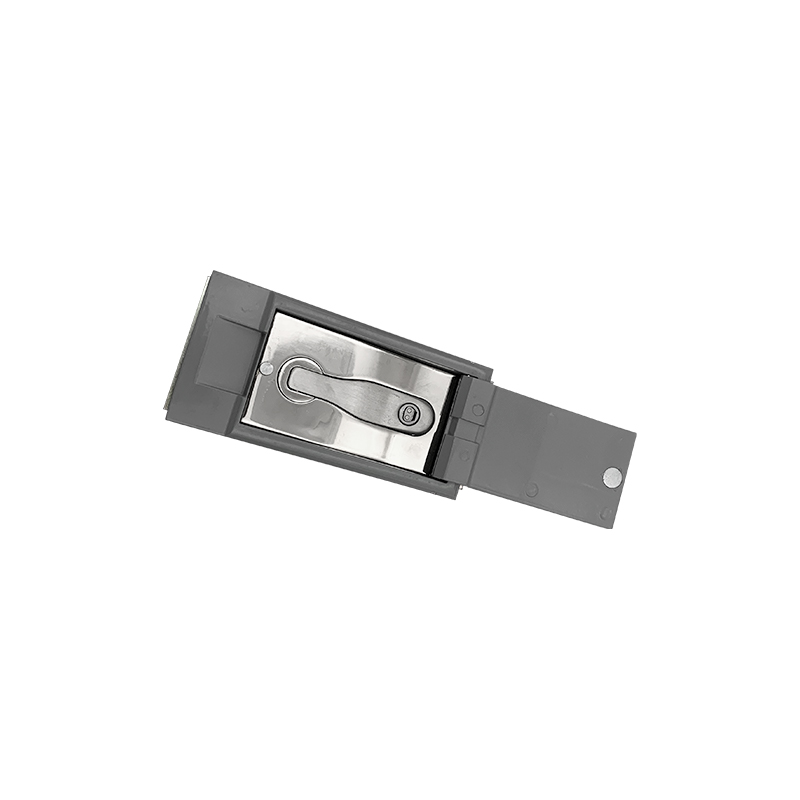
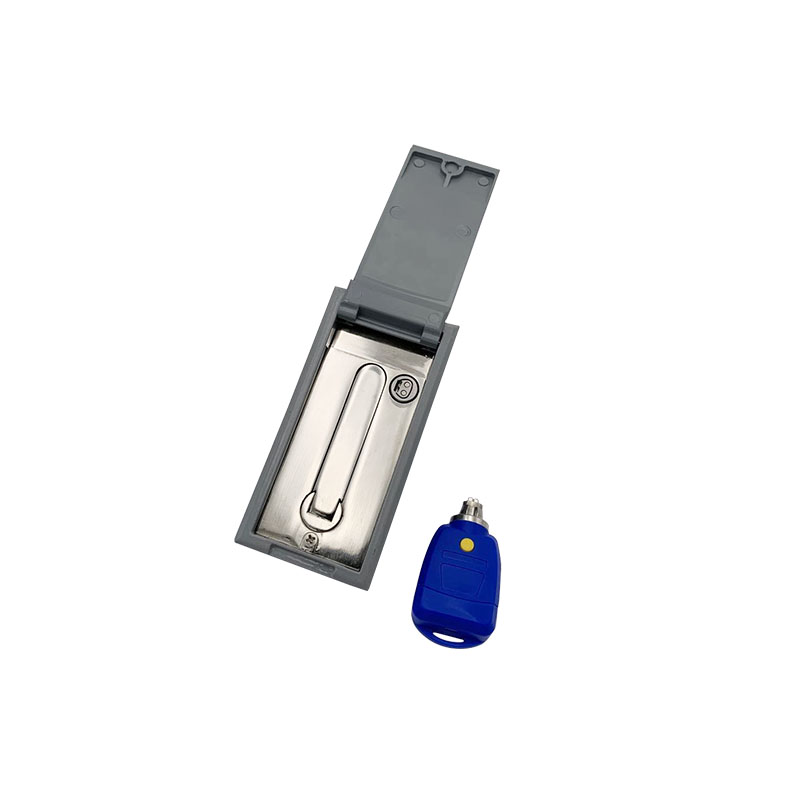
Where mains power is not practical, the DS7052M passive electronic lock uses an electronic key without continuous power draw.
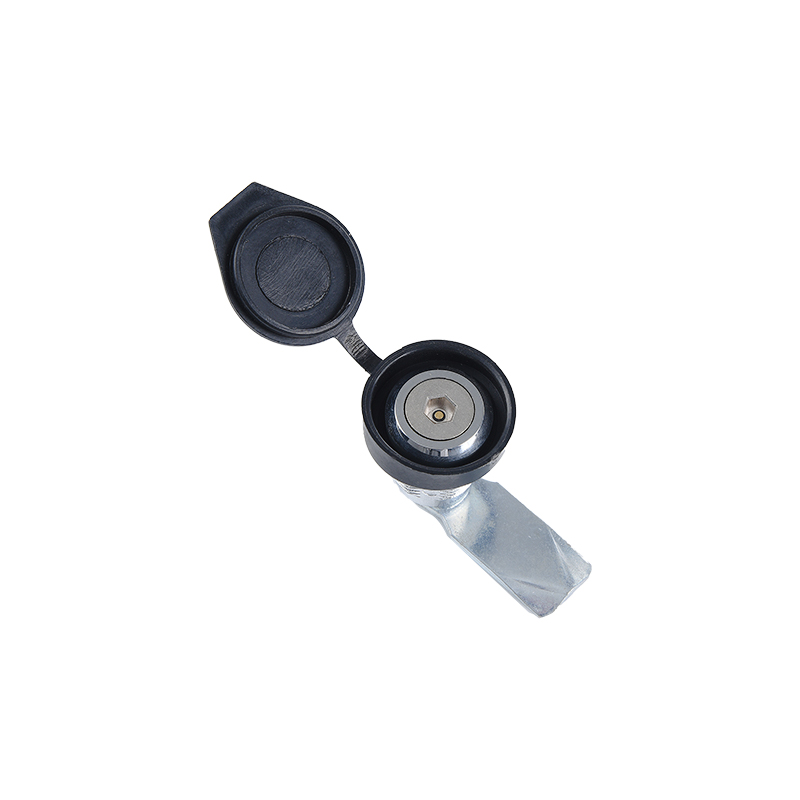 DS705-2M Passive Electronic Lock with Electronic KeyWhere mains power is not practical, this passive lock uses an electronic key, offers 200,000 cycles and tolerates -40°C to 80°C.View Product →
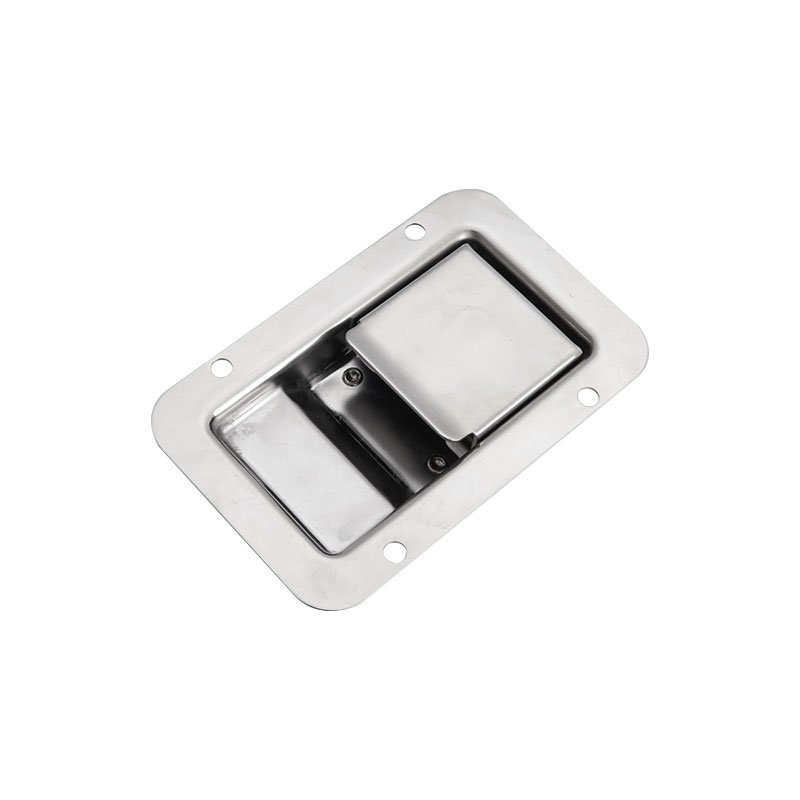
For maintenance staff who need quick, controlled access to a service panel, the DS8181 combines a handle with electronic key unlocking.
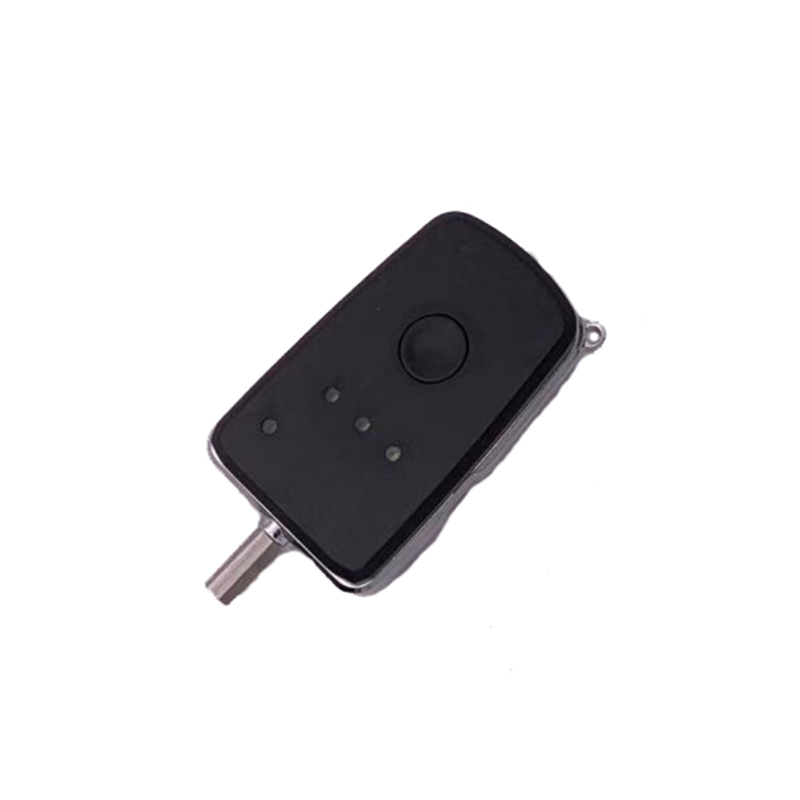 DS818-1 Quick-Open Passive Electronic Lock with HandleFor fast service-panel access, this handle-mounted passive lock uses an electronic key and supports 200,000 cycles with single- or three-point locking.View Product →
For more on the trade-offs, our team’s notes on active electronic lock implementation are a useful companion. Treat these as complementary hardware, not substitutes for a certified hotel room lock.
Common mistakes and supplier questions
Common mistakes include buying locks before surveying doors, assuming RFID is invulnerable, choosing online control without a network budget, forgetting card lifecycle costs, and leaving maintenance out of selection. Another is accepting a demo that never tests failure.
- Which credential technology and encryption do you support?
- What happens during power loss or network outage?
- How does PMS integration handle revocation?
- What battery life and replacement cost should we plan for?
- What is your service response and spare-parts commitment?
- Can we pilot 20 rooms and review audit data?
A practical buying decision
A hotel RFID door lock system should make access quieter, not more dramatic. Start with doors, then security, then integration; make maintenance part of the decision. If a supplier cannot explain failure modes, revocation, and spares in plain language, keep looking. The right partner helps you choose less, but choose better.