language
 Español

Electronic Locks and Access Management in Industrial Settings
Electronic locks are often described in consumer terms—smart doorbells, keypad entry, and home automation. In industrial equipment, the conversation is different. The lock is part of a cabinet, switchgear enclosure, telecom box, or machine panel, and the people who open it may be maintenance technicians, inspectors, contractors, or control-room staff. Access management is therefore not a feature list; it is the practical discipline of deciding who can open which enclosure, under what conditions, and with what record.
That distinction matters when specifying hardware. A household lock may be replaced on a whim, but an industrial lock has to match the door structure, withstand dust and moisture, work with existing hinges and handles, and offer a predictable response when power or connectivity is unavailable. Our electronic lock range sits within a catalogue of cabinet locks, hinges, handles, and connecting-rod hardware, because the lock is rarely the only component that determines whether access works well.
What Access Management Means at the Cabinet Door
Access management answers four questions: who is authorised, what they can open, when permission applies, and how the event is recorded. On one enclosure, a mechanical key and paper log may be enough. Across dozens of cabinets, the same questions become a system design problem. Electronic locks can support the policy; they do not create it.
This is why it helps to separate three layers:
- Credential layer — the electronic key, card, code, app permission, or QR token.
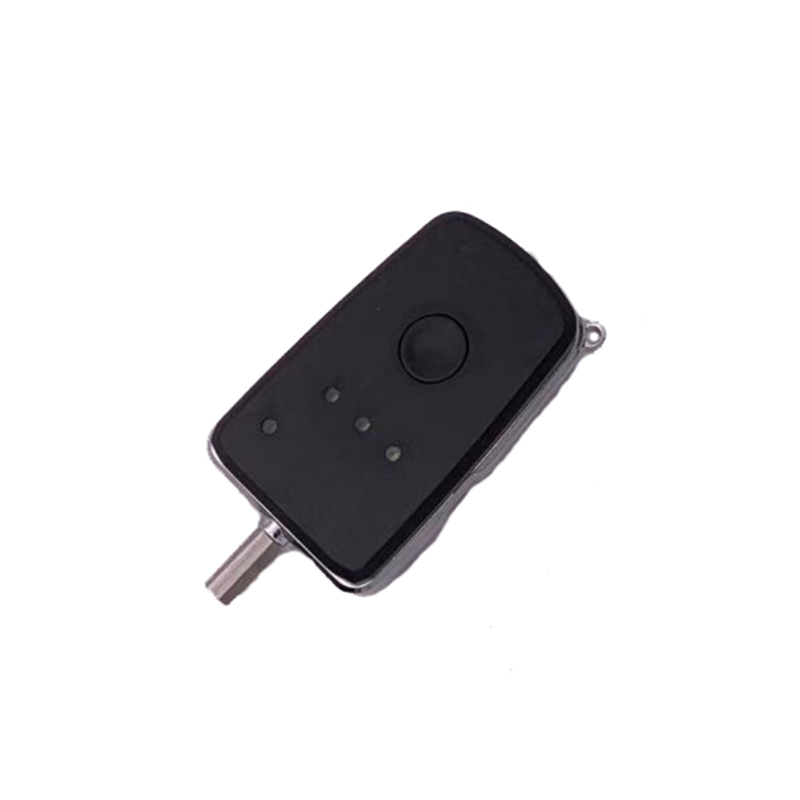
- Lock layer — the active or passive electronic lock, its mounting, power, and emergency opening method.
- Management layer — the rules for issuing, changing, auditing, and revoking access.
When those layers are planned together, an electronic lock becomes useful. When only the lock is changed and the policy is left informal, the result is often a more expensive key.
Active and Passive Electronic Locks: A Working Difference
Industrial electronic locks do not all share the same power model. Our active and passive families are kept separate because they suit different cabinet conditions. Active models are generally intended where local power and control are available or multiple credential routes are expected. Passive models often fit where wiring is difficult, an electronic key is the established credential, or a compact retrofit matters.
The shift is not only about replacing a key. It changes how a cabinet door is commissioned, maintained, and audited—a point explored in our note on active electronic lock technology. The practical question is not which lock sounds more advanced, but which lock meets the access rule without creating a maintenance burden.
For a representative active option, the DS8642P is listed with multiple unlocking methods—useful where different users or service scenarios need more than one way to gain entry.
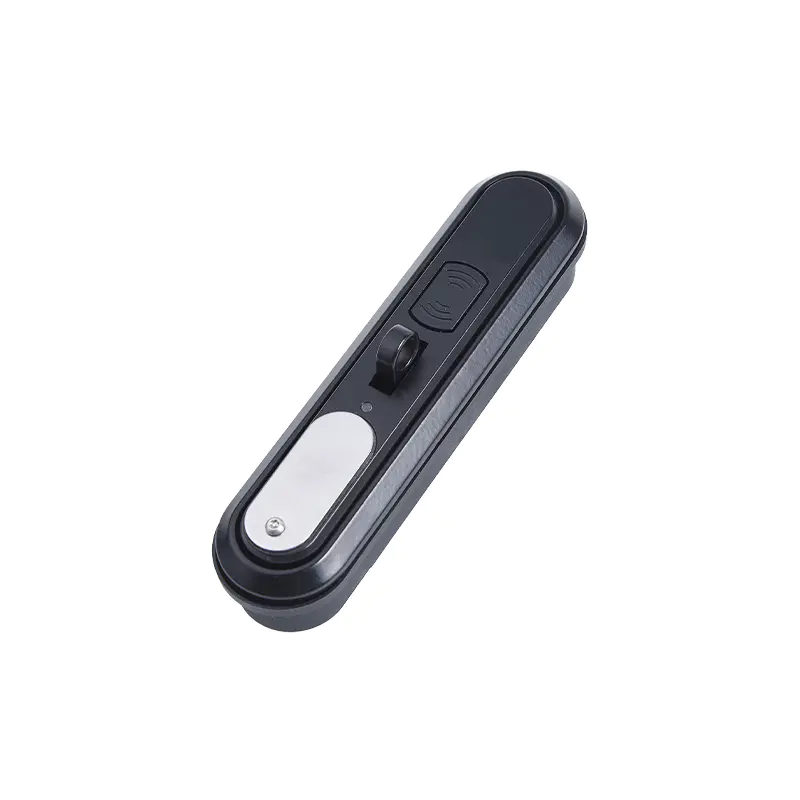 DS864-2P Active Electronic Cabinet LockActive cabinet lock with APP Bluetooth, card, RS485, and emergency unlocking, plus a 200,000-cycle electronic cylinder for industrial cabinet and enclosure use.View Product →
On the passive side, the DS7052M uses an electronic key for unlocking, which can suit cabinet fleets where key-based electronic credentials already fit the maintenance routine.
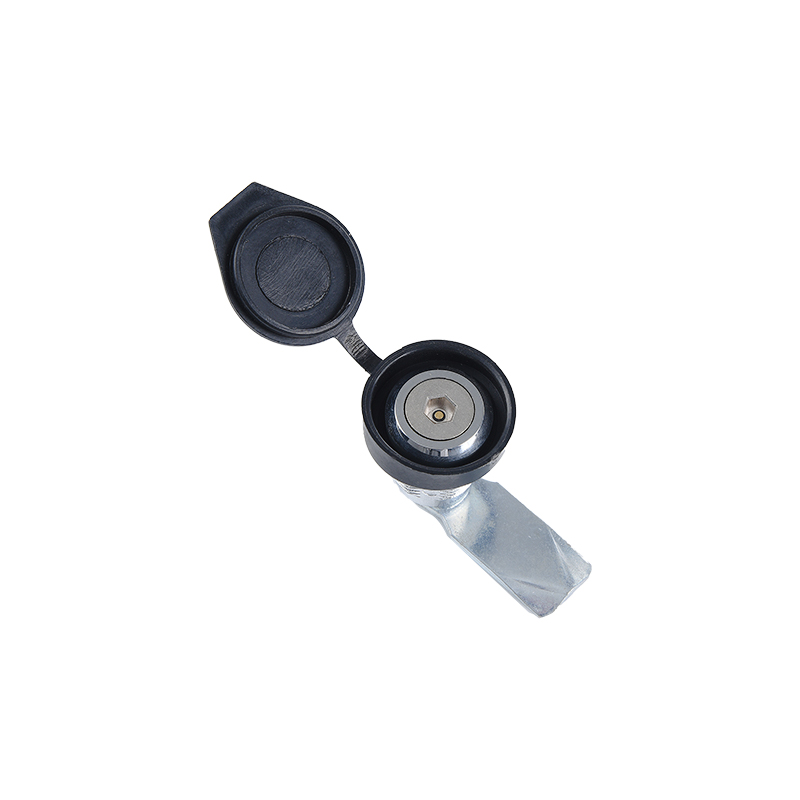 DS705-2M Passive Electronic Key LockPassive electronic lock for electronic-key unlocking with a secondary method, rated for 200,000 operations and -40°C to 80°C cabinet use.View Product →
A quick comparison
| Consideration | Active electronic lock | Passive electronic lock |
|---|---|---|
| Power and wiring | Usually planned with local power and control; plan backup or bypass. | Often suited to low-wiring retrofits; operation may centre on an electronic key. |
| Credential options | Can support multiple methods where the model allows. | Commonly built around an electronic key credential. |
| Emergency access | Design and test it; do not assume it. | Design and test it, with spare credentials or mechanical bypass. |
Choosing a Lock for the Door, Environment, and Duty Cycle
The enclosure decides more than the catalogue does. A dry control-room wall box differs from an outdoor transformer enclosure, a stainless-steel washdown cabinet, or a machine panel. Start with the door: material, thickness, hinge type, handle arrangement, and space for a lock body. Then consider dust, water, temperature swings, and cleaning routines.
Material selection is part of the access plan, not a cosmetic choice. Stainless-steel bodies and handles suit corrosion-prone sites; zinc-alloy and carbon-steel parts may suit protected indoor cabinets; sealed covers and waterproof accessories help where washdown or weather is a concern. A lock that seizes after two seasons is an access failure.
For outdoor or transformer-style cabinets, a waterproof passive lock such as the DS8882 can be a sensible starting point when the door design and credential routine support a passive approach.
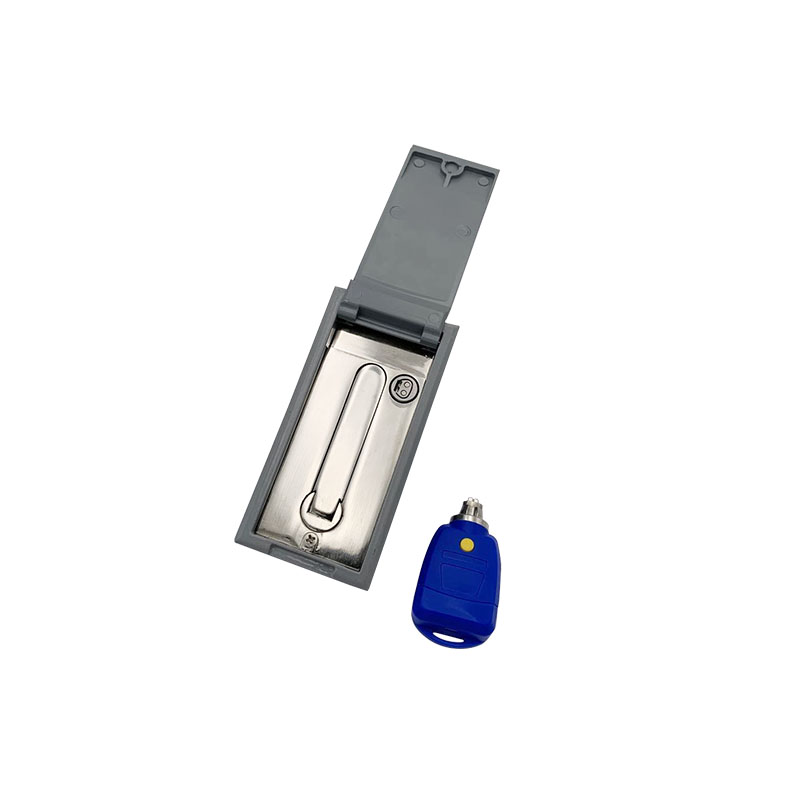 DS888-2 Waterproof Passive Transformer LockWaterproof box-type passive transformer lock using an electronic key as secondary unlocking, rated for 200,000 operations from -40°C to 80°C.View Product →
Treat hinges, handles, and connecting rods as part of the locking system. A multi-point connecting-rod lock may spread holding force across a large door, while a compression latch may provide sealing pressure. If the door sags or the handle misaligns, the lock will be blamed for a mechanical problem.
Installation, Commissioning, and Daily Maintenance
Installation is where access management becomes reliable or becomes a recurring call-out. For an industrial cabinet, use a commissioning sequence rather than a simple fit-and-test approach:
- Confirm door hardware: hinge condition, handle alignment, connecting-rod travel, and mounting surface.
- Check power or credential path: wiring, battery, electronic key, or network dependency.
- Set access rights by role and cabinet zone; record who holds which credential.
- Test every opening method and the emergency route with the door under normal load.
- Document as-built configuration, spare parts, and the person responsible for access changes.
- Schedule inspection for alignment, corrosion, seals, and credential validity.
Maintenance should include gaskets, dust covers, lock cylinders, and the mechanical bypass. An electronic lock that opens perfectly but lets water into the cabinet, or cannot be opened when a battery is flat, is not a successful installation.
Access Management Policies That Keep Working
Technology does not remove administration. A practical policy for industrial electronic locks should be short enough to follow and specific enough to audit. These points form a useful framework:
- Assign ownership by zone: a named person owns each cabinet group, credential list, and emergency procedure.
- Separate roles: installers, administrators, and daily users should not share the same access level.
- Use temporary permissions deliberately: where app, QR, or digital credentials are supported, set an expiry and clear scope.
- Keep a record of credential issue, return, revocation, and emergency openings.
- Plan for failure: document the mechanical key, Bluetooth emergency route, or other bypass, and test it.
- Review after change: contractors leave, shifts change, and cabinets are re-purposed.
Our wider electronic lock programme includes models with app-based unlocking, temporary authorisation, remote wireless unlocking, and Bluetooth emergency unlocking. Those capabilities are useful only when matched to a policy that says who may use them and when they expire.
When Mechanical Locks Still Make Sense
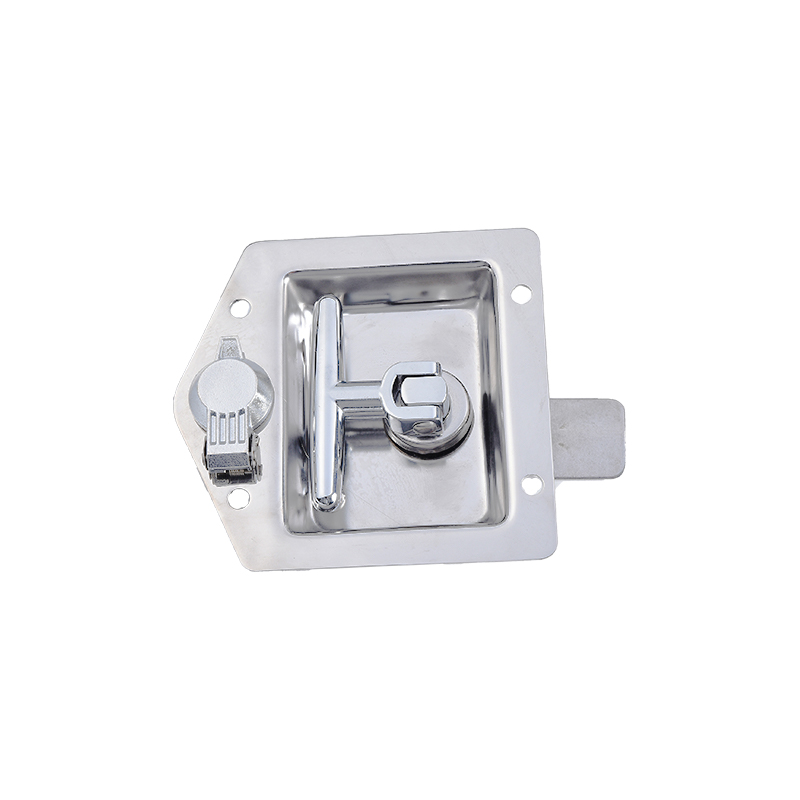
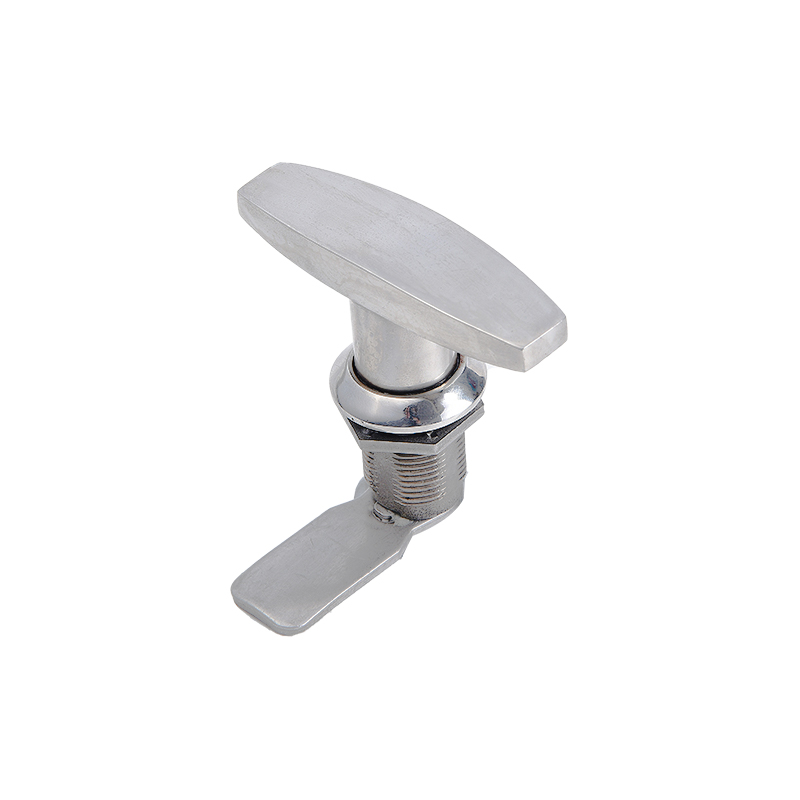
Not every cabinet needs an electronic lock. A well-built mechanical lock is often faster to deploy and simpler to support. Compression latches, handle locks, cylinder locks, and connecting-rod locks remain the backbone of cabinet security where access is infrequent or a physical key is established procedure.
Sites often use a hybrid approach: electronic locks where access must be traced, changed, or shared; mechanical locks where simplicity and predictable service matter. Keeping both within one hardware family helps with spares, installation practice, and door design. The aim is a coherent access system, not a collection of unrelated locks.
A Practical Path Forward
Electronic locks and access management work best when treated as part of the enclosure, not an add-on. Start with the cabinet type, door construction, service environment, and the access rule you need to enforce. Then choose active or passive, confirm the credential routine, and design the emergency path before installation.
At Ningbo Oubao Technology, our experience is in the hardware side of that sequence: industrial locks, hinges, handles, supports, and accessories built to fit cabinet and equipment designs. If you are comparing an electronic lock with a mechanical platform, share the door details, credential expectation, and service environment. A clear brief produces a better answer than a long catalogue list.