language
  Español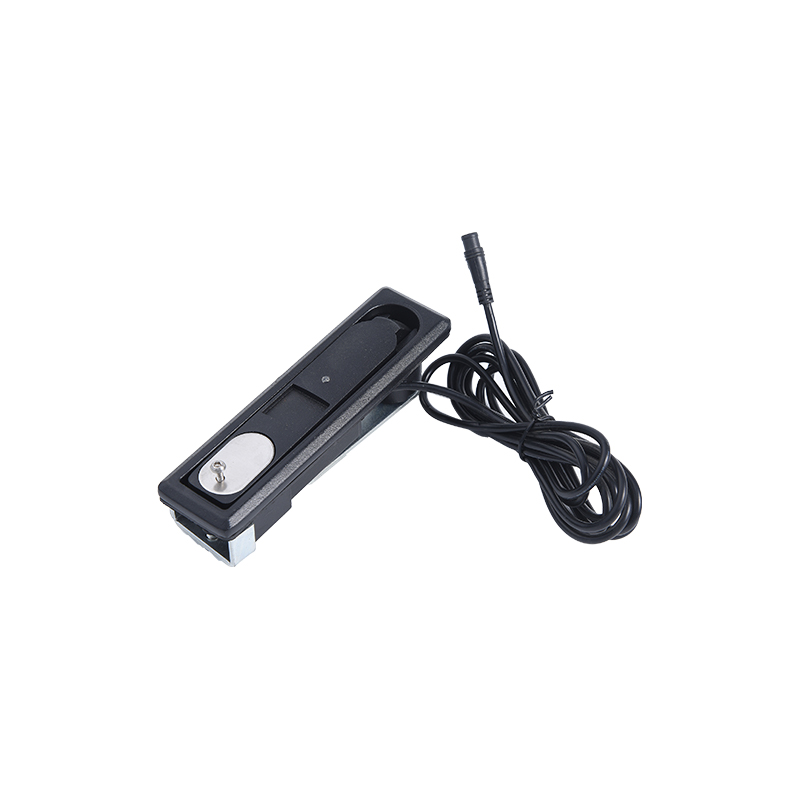

As buildings, campuses, and critical infrastructure increasingly depend on connected systems, physical access control has undergone a fundamental transformation. The IoT-Enabled High-Security Active Electronic Lock represents one of the most significant advances in this space, merging mechanical security engineering with real-time networked intelligence. Unlike conventional locks that simply respond to a valid credential, these devices continuously monitor their own state, detect anomalies, and communicate with a broader security ecosystem. This article examines the technology in depth, covering its architecture, authentication methods, communication protocols, active defense mechanisms, deployment scenarios, and the considerations organizations should weigh when selecting a solution.
Understanding the Active Electronic Lock Concept
To appreciate what sets an IoT-Enabled High-Security Active Electronic Lock apart, it helps to compare it against earlier generations of electronic locking hardware. Traditional electronic locks are largely passive: they wait for a credential such as a card swipe, PIN entry, or key fob signal, verify it, and then trigger a motor or solenoid to release the bolt. Outside of that transaction, the lock does little else. Its security depends almost entirely on the mechanical strength of the bolt and housing.
An active electronic lock changes this model by embedding continuous sensing and decision-making capability directly into the device. Internal sensors monitor vibration, unauthorized force, voltage fluctuations, and communication integrity around the clock. When an anomaly is detected, the lock does not simply wait for further instructions. It can reinforce its locking state, trigger a local alarm, log the event with a timestamp, and push a notification to a connected management platform, all without requiring a person to be physically present.
When this active behavior is combined with IoT connectivity, its value multiplies. Instead of remaining an isolated mechanical device, the lock becomes a networked security node capable of reporting status changes in real time, receiving remote commands, and participating in coordinated responses across an entire facility. A single suspicious event at one entry point can, if configured appropriately, inform access policies at other doors within seconds.
Core System Architecture
A complete IoT-Enabled High-Security Active Electronic Lock system is typically composed of five interdependent layers: the mechanical lock body, the embedded control board, the communication module, the cloud management platform, and the mobile or desktop application used by administrators and end users. Each layer contributes a distinct function, and the overall security posture depends on how well these layers are integrated.
Mechanical Lock Body
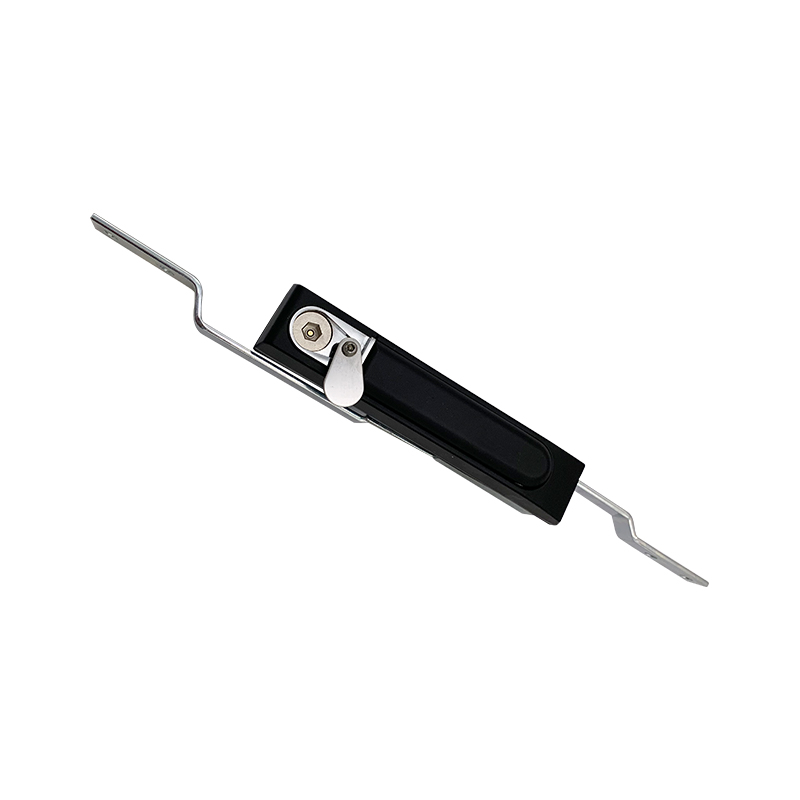
The mechanical structure remains the first physical line of defense. High-security models generally use hardened stainless steel or reinforced zinc-alloy components for the bolt and strike, often supplemented with anti-drill plates, hardened steel pins, and anti-pick mechanisms borrowed from traditional high-security locksmithing. The actuation mechanism is usually either motor-driven or solenoid-driven. Motor-driven designs tend to offer faster response times and lower standby power consumption, while solenoid-based designs often provide more consistent holding force during power interruptions, which can be important for fail-secure configurations.
Embedded Control Board
The control board houses a microcontroller running a hardened real-time operating system. This is the coordination center of the device, responsible for reading sensor data, executing authentication logic, controlling the actuator, and managing the communication module. To prevent firmware tampering, high-security products typically implement secure boot processes that cryptographically verify firmware integrity at power-up, rejecting any unsigned or modified code before the device becomes operational.
Communication Module
This layer handles data exchange between the lock and the broader network, whether through a local gateway or a direct cellular connection. The choice of protocol significantly affects latency, power consumption, and range, and is discussed in more detail later in this article.
Cloud Management Platform
The cloud platform aggregates data from potentially hundreds or thousands of locks across multiple sites. It stores access logs, manages user credentials, enforces access policies, and provides dashboards for security teams. Many platforms also support role-based administration, allowing different levels of access for facility managers, security officers, and system integrators.
Mobile and Desktop Applications
End-user applications allow individuals to unlock doors using smartphones, request temporary access, or receive notifications about their assigned entry points. Administrative applications, by contrast, focus on credential issuance, audit trail review, and real-time monitoring of lock health and battery status across an entire deployment.
Authentication and Identity Verification Methods
High-security active electronic locks rarely rely on a single authentication factor. Instead, they combine multiple methods to reduce the likelihood of unauthorized access even if one credential type is compromised.
- PIN codes: Numeric codes entered on a keypad, often paired with rate limiting to prevent brute-force guessing attempts.
- RFID and NFC cards: Contactless credentials that are quick to use but must be paired with encrypted card data to resist cloning.
- Biometric verification: Fingerprint, palm vein, or facial recognition sensors that tie access directly to an individual rather than a transferable object.
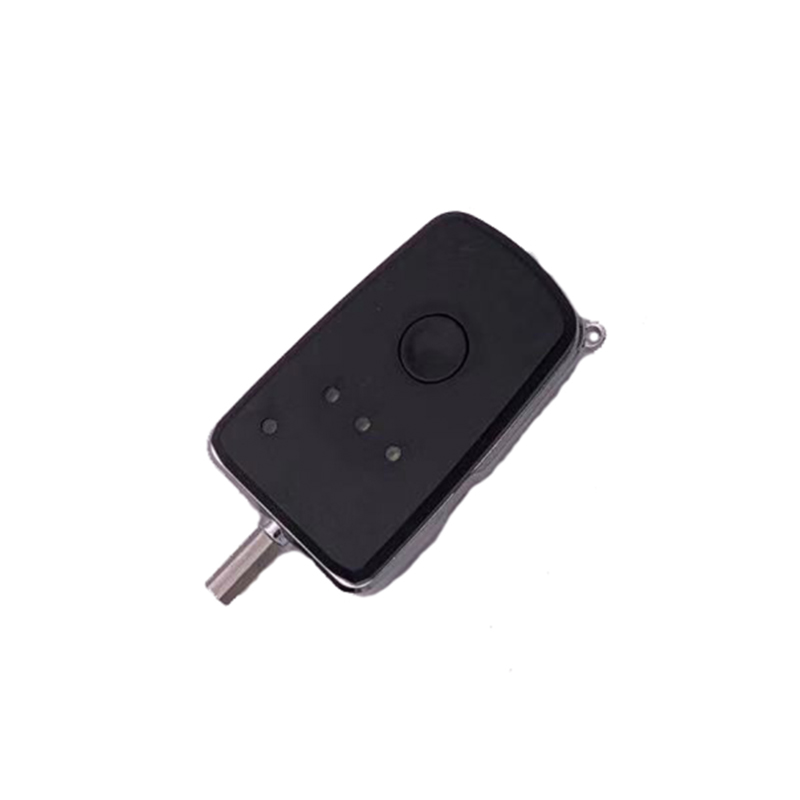
- Mobile credentials: Bluetooth Low Energy or NFC-based smartphone unlocking, typically secured through device-bound cryptographic keys.
- Multi-factor combinations: Pairing two or more of the above, such as a fingerprint scan followed by a PIN, for environments requiring elevated assurance.
In high-security deployments such as data centers or government facilities, dual-factor or even triple-factor authentication is common practice. Some systems also implement duress codes, which appear to unlock the door normally while silently alerting security personnel that the user is acting under coercion.
Encryption and Data Protection
Because these locks transmit sensitive data over networks, encryption is central to their security model. Communication between the lock and the gateway or cloud platform is typically secured using Transport Layer Security, ensuring that credential data and command traffic cannot be intercepted or altered in transit. Locally stored data, including biometric templates and access logs, is generally protected using symmetric encryption standards such as AES-256, with cryptographic keys stored in a dedicated secure element separate from the main processor.
Firmware updates present a particular security challenge, since a compromised update mechanism could allow an attacker to install malicious code directly onto the device. Reputable systems address this through signed over-the-air update packages, where the lock verifies a cryptographic signature before accepting new firmware, along with rollback protection to prevent downgrade attacks that might reintroduce previously patched vulnerabilities.
Key management is equally important. Rather than relying on static keys that never change, many high-security systems implement periodic key rotation and unique per-device credentials, so that a compromise of one lock does not expose the entire deployment.
Active Defense and Anomaly Detection
The defining characteristic of an active electronic lock is its ability to detect and respond to threats without waiting for external instruction. This is achieved through a combination of embedded sensors and onboard logic that continuously evaluates the physical and electrical state of the device.
Tamper and Intrusion Sensors
Accelerometers and vibration sensors detect drilling, prying, or forceful impact against the lock body. When a pattern consistent with a break-in attempt is identified, the lock can trigger a local audible alarm, reinforce the bolt position, and immediately notify the management platform.
Voltage and Power Monitoring
Sudden voltage drops or irregular power draw can indicate an attempt to bypass the lock electronically. Active locks monitor these parameters continuously and can flag suspicious patterns, such as repeated brief power interruptions that might signal an attacker probing for a fault-based bypass.
Communication Integrity Checks
Because these locks depend on network connectivity, they also monitor the health of their own communication channel. A sudden loss of connectivity, especially if paired with other suspicious activity, can be treated as a potential jamming attempt, prompting the lock to fall back to a secure default state and log the event for later review.
Failed Authentication Tracking
Repeated failed authentication attempts, whether from an incorrect PIN, an invalid card, or a rejected biometric scan, are tracked and can trigger progressive responses, ranging from a temporary lockout period to an immediate alert sent to security personnel.
Communication Protocols and Connectivity Options
The connectivity layer determines how a lock exchanges data with gateways, hubs, or the cloud. Different protocols offer distinct trade-offs in range, power consumption, bandwidth, and reliability, and the right choice often depends on the specific deployment environment.
| Protocol | Typical Range | Power Usage | Best Suited For |
|---|---|---|---|
| Bluetooth Low Energy | Short (up to 30 meters) | Very low | Mobile credential unlocking, residential use |
| Zigbee | Medium, mesh extendable | Low | Multi-door commercial deployments |
| Z-Wave | Medium, mesh extendable | Low | Smart home integration |
| Wi-Fi | Medium | Moderate to high | Locations with existing wireless infrastructure |
| NB-IoT or LTE-M | Wide area cellular | Low | Remote or standalone installations without local Wi-Fi |
| Thread and Matter | Medium, mesh extendable | Low | Interoperable smart building ecosystems |
Many enterprise-grade deployments use a hybrid approach, pairing a low-power mesh protocol such as Zigbee for day-to-day operation with a cellular fallback channel that ensures the lock remains reachable even if the local network fails. This redundancy is particularly valuable in high-security contexts where connectivity loss cannot be allowed to create a blind spot.
Power Management and Reliability
Because many electronic locks are battery powered, especially in retrofit installations where running new wiring is impractical, power efficiency is a critical design consideration. High-security active locks typically rely on lithium battery packs rated for extended service life, often twelve months or longer under normal usage patterns, with low-battery alerts pushed to the management platform well before failure occurs.
Fail-safe and fail-secure configurations are another important consideration. A fail-secure lock remains locked during a power failure, prioritizing security over accessibility, while a fail-safe lock releases automatically to allow emergency egress. Building codes and fire safety regulations often dictate which configuration is appropriate for a given door, particularly in commercial and public buildings where emergency evacuation requirements take precedence over strict access control.
Application Scenarios
The versatility of IoT-enabled active electronic locks has led to adoption across a wide range of environments, each with distinct requirements.
Commercial Office Buildings
Large office complexes benefit from centralized management across dozens or hundreds of doors, with the ability to instantly revoke access for departed employees and generate detailed audit trails for compliance purposes.
Data Centers and Server Rooms
These environments demand the highest levels of assurance, often combining biometric authentication with strict logging requirements and real-time alerting for any unauthorized access attempt, given the sensitivity of the equipment and data housed within.
Residential and Multi-Family Housing
Smart apartment complexes use these locks to offer residents keyless entry through mobile credentials while giving property managers remote oversight of common areas and the ability to issue temporary access codes to visitors or service providers.
Government and Defense Facilities
Given the sensitivity of these environments, deployments typically emphasize tamper detection, encrypted audit logging, and integration with broader physical security information management systems.
Logistics and Warehousing
Distribution centers use active locks on secure storage areas and loading docks, often integrating access events with inventory management systems to correlate physical access with stock movement records.
Healthcare Facilities
Hospitals apply these locks to pharmaceutical storage, medical record rooms, and restricted clinical areas, where regulatory requirements demand precise, tamper-evident access records.
Advantages Over Traditional Locking Systems
Compared to conventional mechanical or basic electronic locks, IoT-enabled active electronic locks offer several distinct benefits.
- Real-time visibility into lock status and access events across an entire facility or portfolio of properties.
- Remote credential management, eliminating the need to physically collect and reissue keys when personnel changes occur.
- Proactive threat detection through continuous sensor monitoring rather than relying solely on after-the-fact investigation.
- Detailed, tamper-evident audit trails that support regulatory compliance and incident investigation.
- Integration potential with broader building management and security systems, including video surveillance and alarm platforms.
- Flexible access policies, such as time-restricted permissions or one-time access codes for temporary visitors.
Key Considerations When Selecting a System
Organizations evaluating these solutions should weigh several factors beyond the headline features advertised by manufacturers.
- Certification and compliance: Look for relevant security certifications appropriate to the deployment region and industry, along with documented penetration testing history.
- Interoperability: Consider whether the lock supports open standards such as Matter, which reduces vendor lock-in and simplifies integration with existing building systems.
- Offline resilience: Evaluate how the lock behaves during network outages, including whether local authentication continues to function and how events are queued for later synchronization.
- Scalability: For multi-site organizations, confirm that the management platform can handle the intended scale without performance degradation.
- Vendor support and firmware update cadence: A strong track record of timely security patches is often a better indicator of long-term reliability than initial feature lists.
- Total cost of ownership: Factor in battery replacement, subscription fees for cloud management, and potential integration costs alongside the upfront hardware price.
Emerging Trends and Future Directions
The category continues to evolve as adjacent technologies mature. Edge computing capabilities are increasingly being embedded directly into lock hardware, allowing more sophisticated anomaly detection to run locally without depending on cloud connectivity for every decision. This reduces response latency and improves resilience during network disruptions.
Artificial intelligence is also beginning to play a role in behavioral analysis, with systems learning typical access patterns for a given door or user and flagging deviations that might indicate credential theft or misuse, even when the credential itself is technically valid. Additionally, some manufacturers are exploring distributed ledger approaches for audit logging, aiming to create tamper-evident records that are cryptographically verifiable across multiple independent nodes rather than relying on a single centralized database.
Interoperability standards, particularly Matter, are pushing the industry toward greater openness, allowing locks from different manufacturers to participate in unified smart building ecosystems rather than remaining locked into proprietary platforms. This shift is likely to accelerate adoption among organizations that previously hesitated due to vendor lock-in concerns.
The IoT-Enabled High-Security Active Electronic Lock represents a meaningful evolution in physical access control, moving beyond passive credential checking toward continuous, intelligent monitoring and rapid response. By combining robust mechanical construction with layered authentication, strong encryption, active anomaly detection, and flexible connectivity options, these systems address the security demands of environments ranging from residential buildings to critical infrastructure. As edge computing, artificial intelligence, and open interoperability standards continue to mature, the capabilities of these devices are likely to expand further, reinforcing their role as a foundational component of modern integrated security architecture.