language
  Español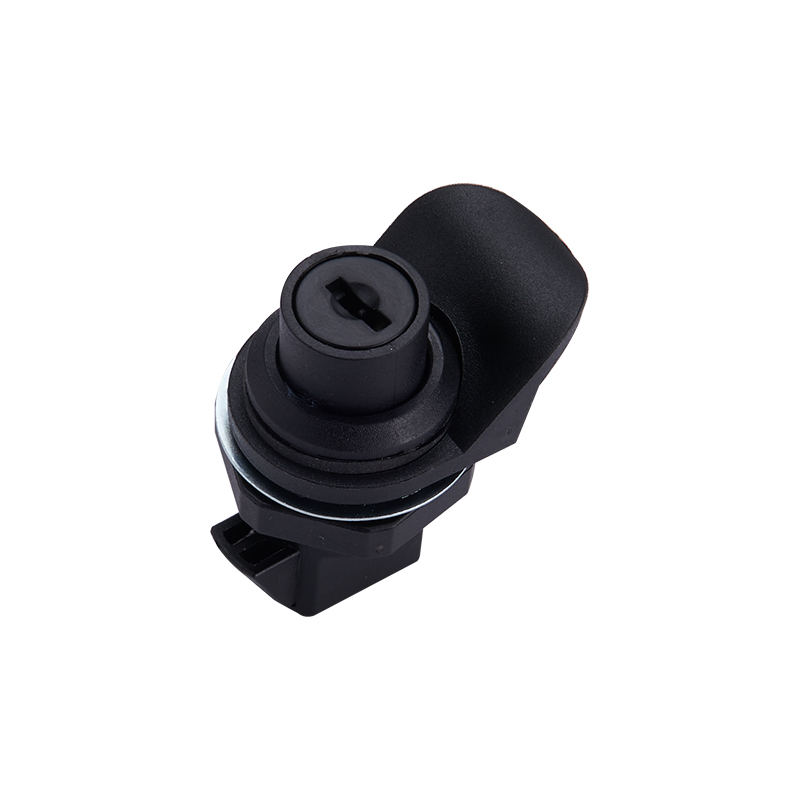

What Is a Cabinet Cylindric Lock?
A cabinet cylindric lock is a compact, cylinder-shaped locking mechanism designed to secure cabinet doors, drawers, and enclosures. Unlike deadbolts or padlocks, it fits flush within a drilled hole — typically 16mm to 22mm in diameter — and is operated with a key to rotate the cylinder and engage or disengage a latch or cam. These locks are widely used in office furniture, filing cabinets, tool storage, medical cabinets, and retail display cases.
The core advantage is simplicity and space efficiency: the entire locking unit sits inside the cabinet panel itself, leaving no external hardware exposed. This makes them ideal for environments where aesthetics and compactness matter as much as security.
How a Cabinet Cylindric Lock Works
The mechanism relies on a pin tumbler or wafer tumbler system inside the cylinder. When the correct key is inserted, it aligns the internal pins or wafers to the shear line, allowing the cylinder plug to rotate. This rotation moves a cam or tailpiece at the rear of the cylinder, which actuates the locking bar or latch connected to the cabinet.
Most cabinet cylindric locks operate with a 90° or 180° turn, which is enough to retract a bolt or release a drawer latch. The installation requires only a round hole and a retaining clip or screw, making replacement and rekeying straightforward.
Common Types of Cabinet Cylindric Locks
Not all cylindric locks are built the same. The type you need depends on your cabinet material, security level, and application.
Cam Locks
The most common type for light-duty cabinets. A rotating cam at the back of the cylinder engages a strike plate or bar. They come in standard (3/4") and extended barrel lengths and fit panels up to 38mm thick. Widely used in office drawers and mailboxes.
Plunger Locks
These use a spring-loaded bolt that retracts when the key is turned. Common in filing cabinets and lateral file drawers. They offer faster engagement than cam locks and work well with sliding-door cabinets.
Radial Pin Tumbler Locks
A higher-security option where pins are arranged radially around the cylinder rather than in a single row. These are significantly harder to pick and are used in pharmaceutical storage, server racks, and secure tool cabinets.
Wafer Tumbler Locks
A simplified, lower-cost alternative using flat wafers instead of spring-loaded pins. These are found in lower-security residential or light commercial cabinets. While economical, they offer less resistance to picking compared to pin tumbler designs.
Key Specifications to Compare
When evaluating cabinet cylindric locks, pay close attention to these measurable specifications:
| Lock Type | Cylinder Diameter | Panel Thickness | Security Level | Typical Use |
|---|---|---|---|---|
| Cam Lock | 16–22mm | Up to 38mm | Low–Medium | Office drawers, mailboxes |
| Plunger Lock | 19–22mm | Up to 32mm | Medium | Filing cabinets, sliding doors |
| Radial Pin Tumbler | 22–25mm | Up to 50mm | High | Medical, server, secure storage |
| Wafer Tumbler | 16–19mm | Up to 25mm | Low | Residential, light commercial |
How to Choose the Right Cabinet Cylindric Lock
Selecting the correct lock depends on four primary factors:
- Panel thickness: Measure your cabinet door or drawer front precisely. A lock barrel that's too short won't reach the retaining clip; too long and it won't seat correctly.
- Security requirement: For cabinets storing sensitive documents or medications, choose radial pin tumbler locks with at least 6 pins. For general office use, a standard 5-pin cam lock is sufficient.
- Keying system: Decide between individual keying (each lock has a unique key), keyed-alike (multiple locks share one key), or master keyed (a master key opens all locks, individual keys open specific ones). Keyed-alike systems are popular in offices with 10+ cabinets.
- Material and finish: Zinc alloy bodies suit indoor use; solid brass or hardened steel cylinders are better for humid or high-traffic environments. Common finishes include chrome, satin nickel, and matte black.
Installation Steps for a Cabinet Cylindric Lock
Most cylindric locks can be installed in under 10 minutes with basic tools. Here's the standard process:
- Drill a hole matching the lock's cylinder diameter (commonly 19mm or 22mm) through the cabinet panel at the desired location.
- Insert the lock cylinder from the front face of the panel.
- Slide the retaining washer and clip (or threaded nut) onto the cylinder barrel from the inside and tighten securely.
- Attach the cam or tailpiece to the rear of the cylinder using the provided screw.
- Test the key operation and adjust the cam angle if necessary to align with the strike bar or latch.
For replacing an existing lock, note the cylinder length and cam type before purchasing a replacement to ensure compatibility with the existing strike hardware.
Common Issues and Maintenance Tips
Cabinet cylindric locks are low-maintenance but can develop issues over time, especially in high-use environments:
- Stiff or sticky key operation: Usually caused by dust or oxidation inside the cylinder. Apply a graphite-based lubricant — avoid WD-40, which attracts debris over time.
- Loose cylinder: The retaining clip may have loosened. Tighten from the inside without removing the lock entirely.
- Cam misalignment: If the cam no longer catches the strike bar, loosen the cam screw and rotate it to the correct angle, then re-tighten.
- Lost keys: Many manufacturers offer key duplication by code. Always record the key code stamped on the lock face when installing a new lock — it can save significant time and cost later.
When to Upgrade Your Cabinet Cylindric Lock
Standard wafer tumbler or basic cam locks can be compromised with simple tools in under 60 seconds by someone with minimal skill. If your cabinet stores anything of real value — pharmaceuticals, financial records, IT equipment — it's worth upgrading to a high-security cylindric lock with anti-pick, anti-drill, and anti-pull features.
Look for locks that meet recognized standards such as ANSI/BHMA Grade 1 (commercial, heavy duty) or EN 1303 (European standard for cylinder security). A Grade 1 cam lock from a reputable brand typically costs $15–$40 per unit — a modest investment compared to what's being protected.