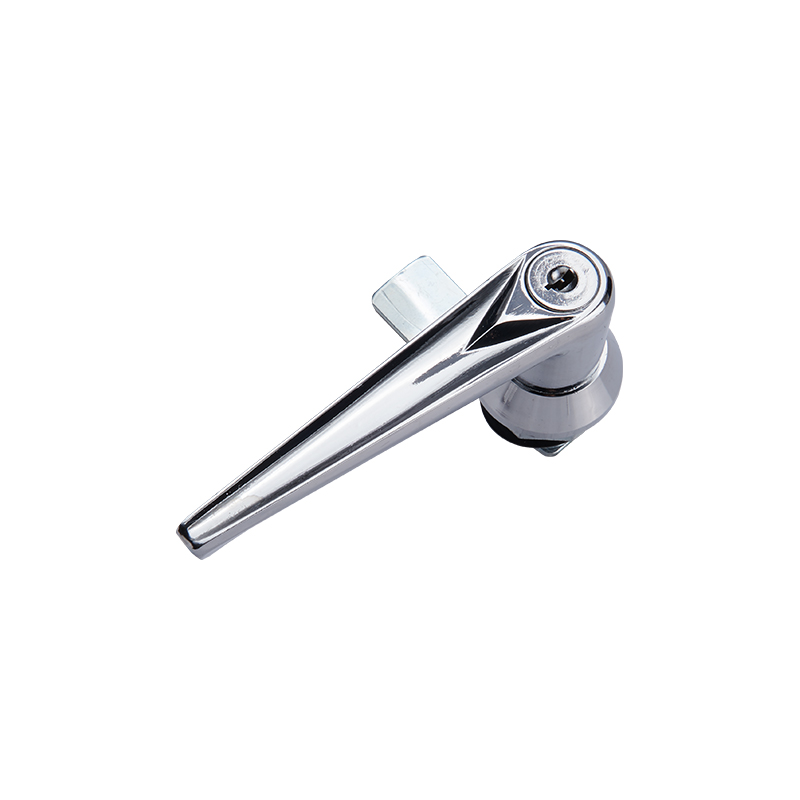
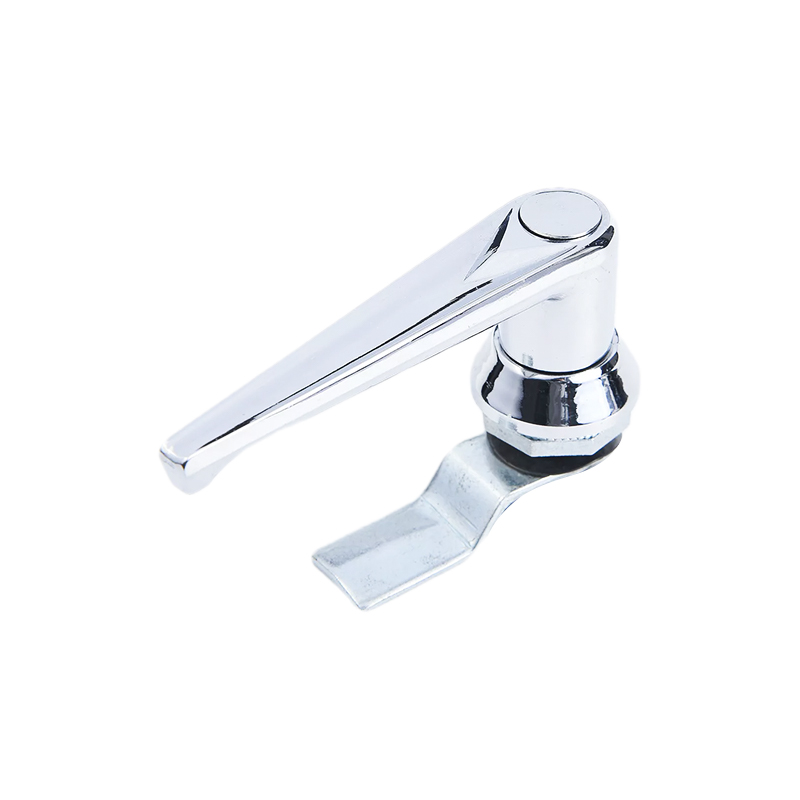
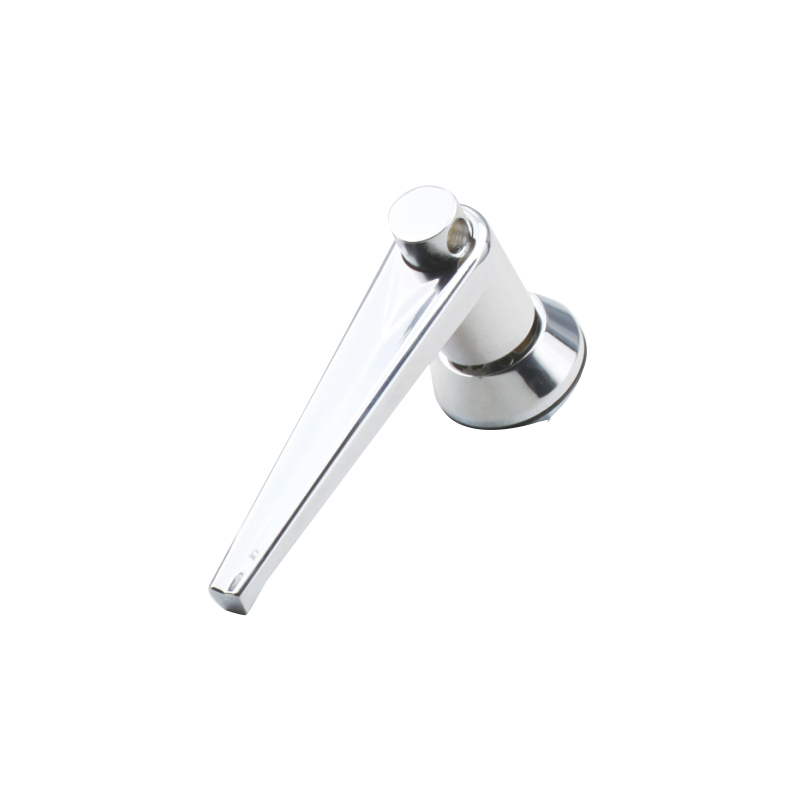
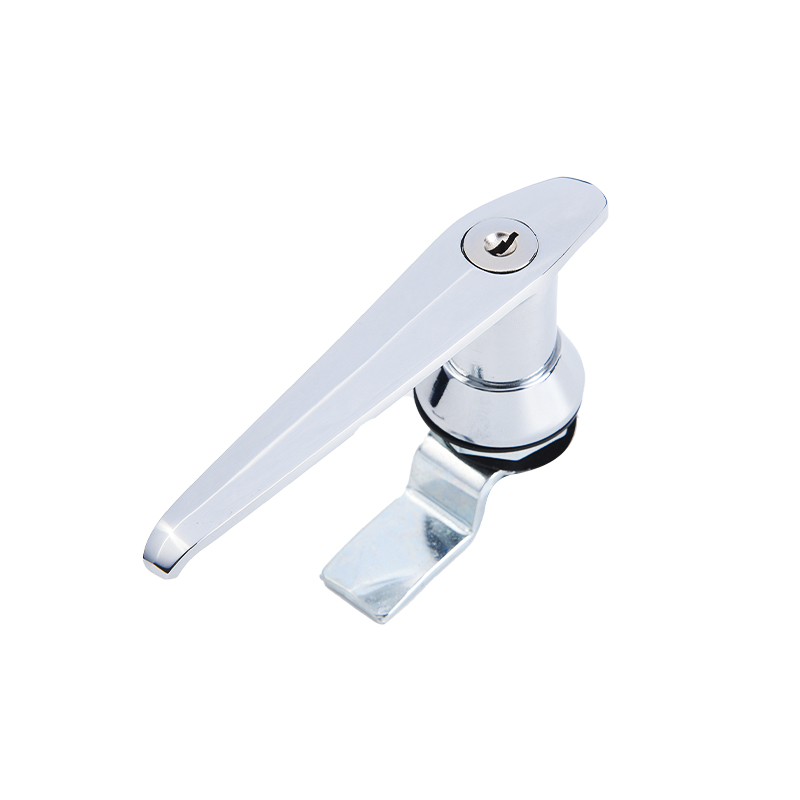
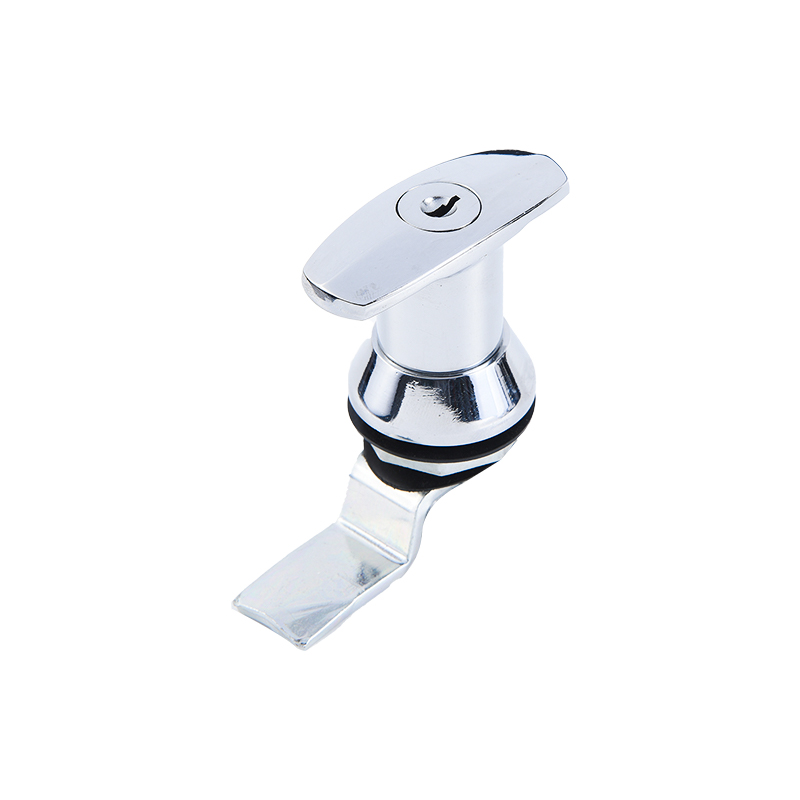
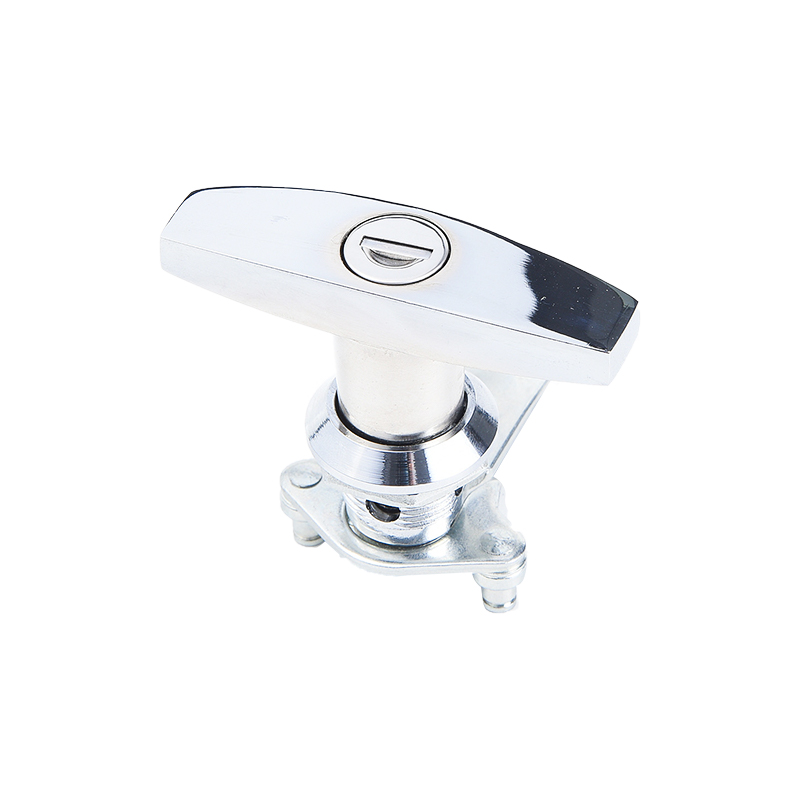
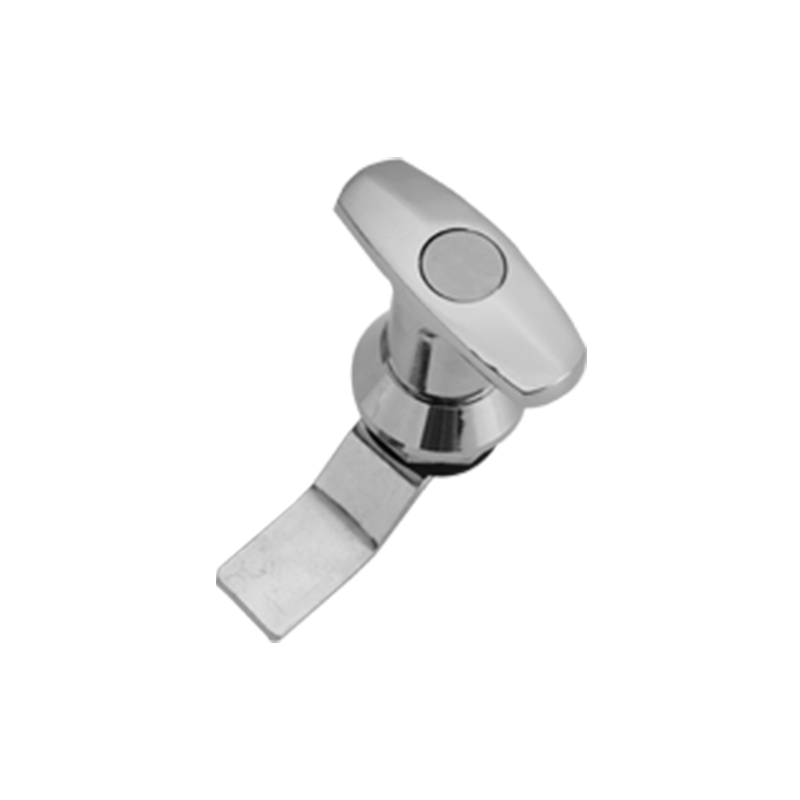
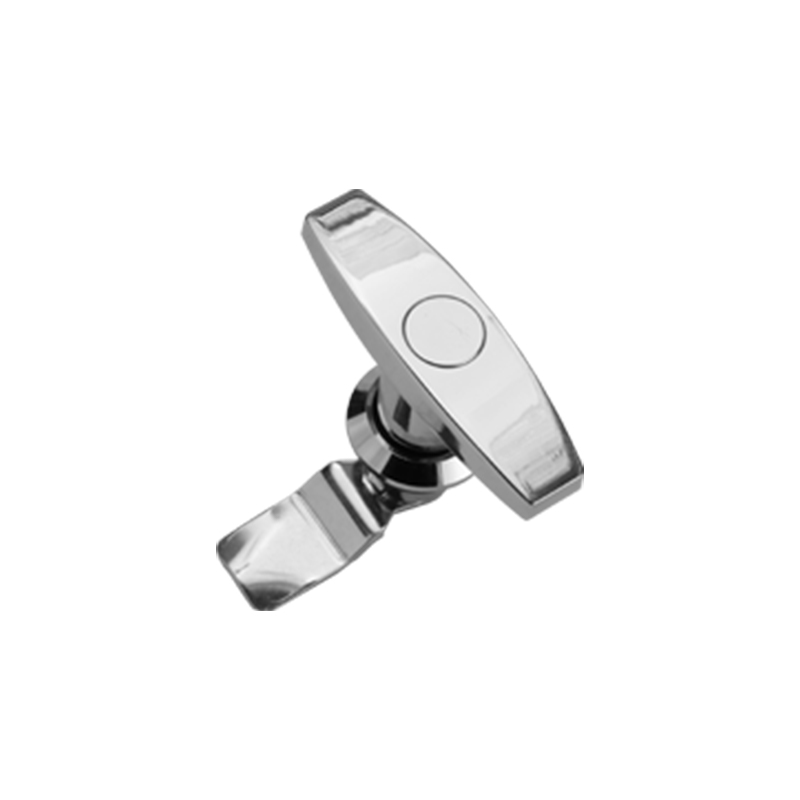
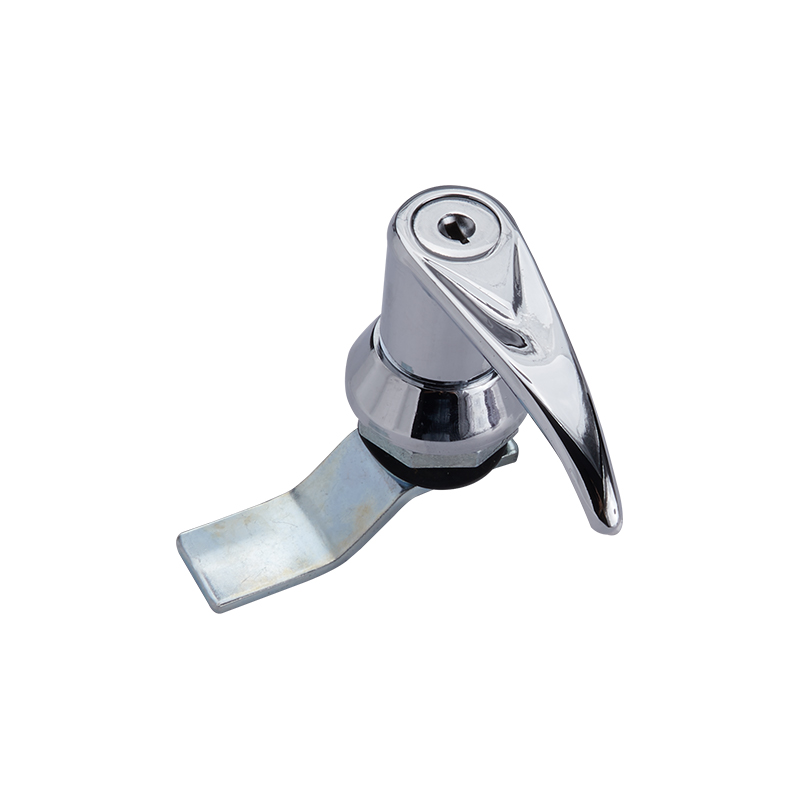
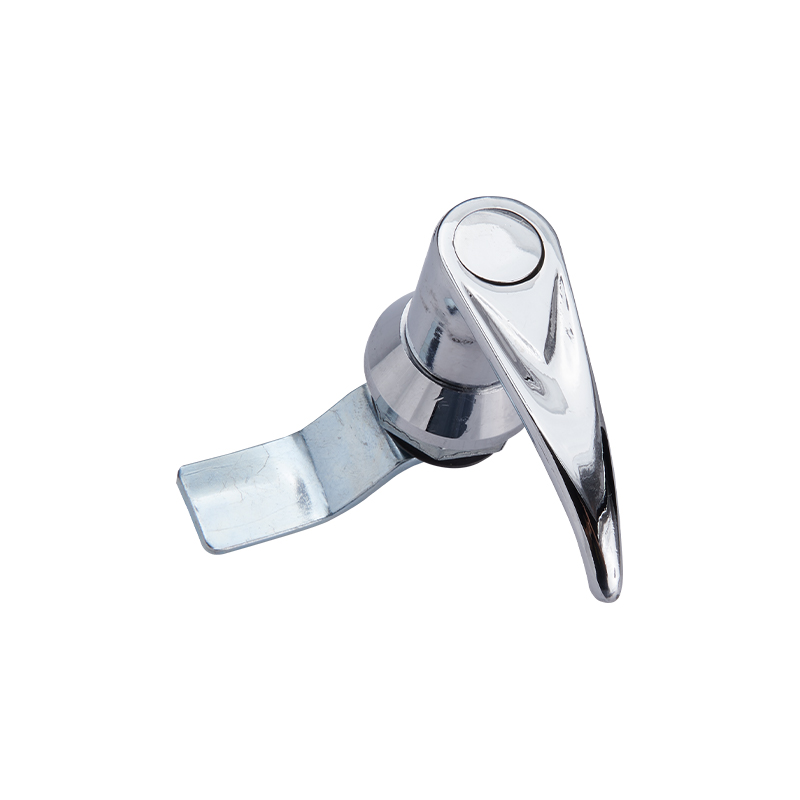
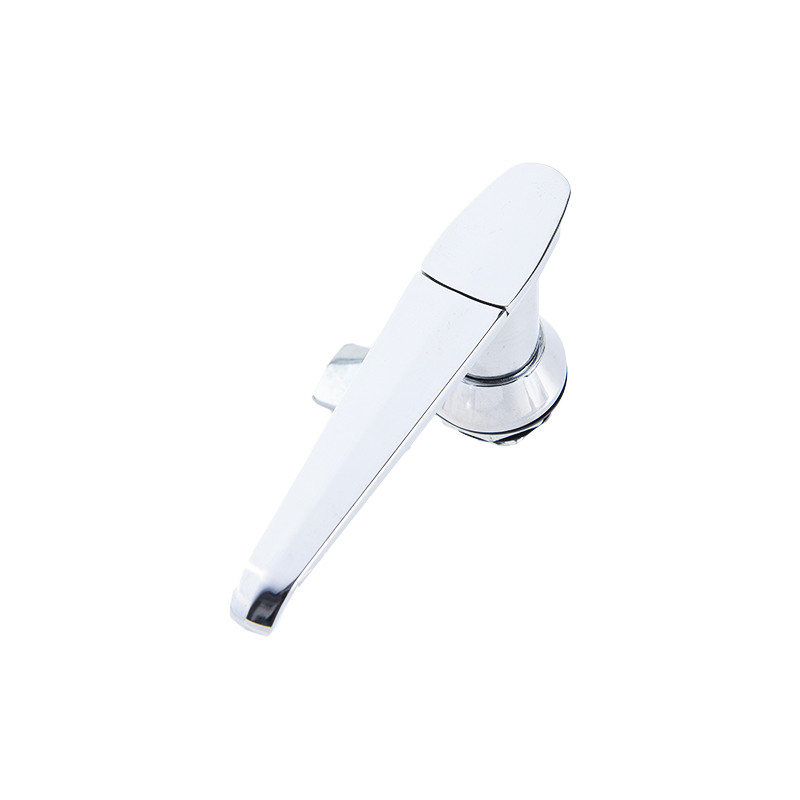
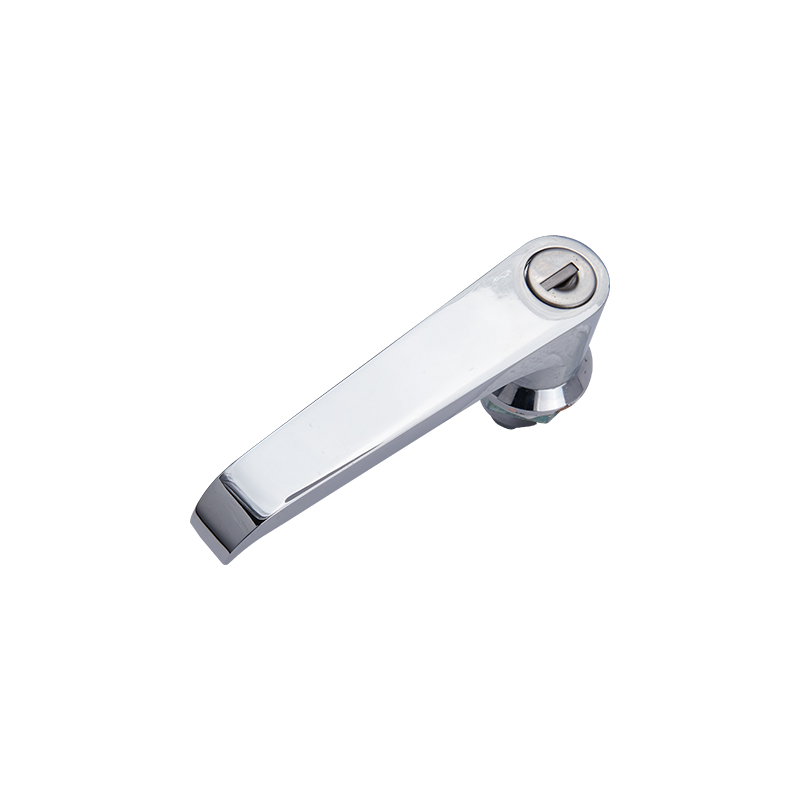
In the electrical industry, safety and security are paramount. Switch cabinets, commonly used to house circuit breakers, disconnect switches, and other essential electrical components, require robust locking systems to prevent unauthorized access. Handle locks, on the other hand, are widely utilized for securing various types of doors, cabinets, and enclosures. Both of these locking systems are vital in safeguarding electrical infrastructure and improving overall security.
1. Understanding Switch Cabinet Locks
Switch cabinets are critical elements in industrial, commercial, and residential electrical systems. These cabinets house vital electrical equipment that must be protected from unauthorized access to avoid accidents, tampering, or theft. Switch cabinet locks are designed to safeguard these enclosures, ensuring that only authorized personnel can access the contents. These locks are essential for ensuring compliance with safety regulations, particularly in environments where electrical systems are exposed to environmental risks like dust, moisture, or temperature fluctuations.
At Ningbo Oubao Technology Co., Ltd., we specialize in the development of high-quality switch cabinet locks, integrating advanced 3D drawing design and industrial lock research. Our products go through stringent testing and quality checks to ensure that they meet global security standards and deliver reliable performance.
Types of Switch Cabinet Locks
There are several types of switch cabinet locks that serve different needs. Choosing the right lock depends on factors such as the required level of security, ease of use, and the type of electrical components to be protected.
| Lock Type |
Description |
Security Level |
Ideal Applications |
| Keyed Locks |
Traditional mechanical locks that require a physical key. |
Medium |
Small to medium-sized cabinets with basic security needs. |
| Digital Locks |
Electronic locks that use keypads, biometrics, or RFID for access control. |
High |
High-security cabinets in industrial or commercial settings. |
| Padlocks |
Detachable locks used with a hasp or locking mechanism. |
Low to Medium |
Less critical areas or temporary installations. |
| Cam Locks |
Small, compact locks that rotate to lock or unlock. |
Medium |
Secure small enclosures or electrical compartments. |
Ningbo Oubao Technology Co., Ltd. offers a wide range of switch cabinet locks, from traditional mechanical solutions to modern digital systems, tailored to meet the specific needs of each client.
Importance of Switch Cabinet Locks
The primary function of switch cabinet locks is to provide security for electrical systems. They prevent unauthorized individuals from accessing critical equipment, which could lead to accidents, malfunctioning of electrical components, or even theft. These locks also serve as a protective barrier against environmental hazards like dust and moisture, ensuring that the electrical components remain in optimal working condition.
Furthermore, in industries such as manufacturing, energy, and telecommunications, compliance with safety standards is a top priority. Using high-quality, reliable switch cabinet locks ensures that businesses adhere to these regulations, preventing potential fines and penalties. With the increasing need for advanced security, Ningbo Oubao Technology Co., Ltd. continues to lead the way in providing innovative solutions that address the evolving demands of the electrical industry.
2. Handle Locks: Versatility and Security for Various Applications
Handle locks are integral to various types of enclosures, including doors, cabinets, and machinery. These locks are mounted on the handle itself, making them an efficient solution for securing a wide range of equipment. They are available in various designs, including lever handle locks, T-handle locks, knob locks, and push-button locks. Depending on the design, handle locks can provide varying levels of security, making them versatile for multiple applications.
At Ningbo Oubao Technology Co., Ltd., we understand the importance of both functionality and security. Our handle lock products are designed to offer easy access while ensuring the safety of the enclosed systems. We combine cutting-edge technology with precise engineering to develop locking systems that are durable and reliable.
Types of Handle Locks
Handle locks come in several varieties, each designed for different purposes. Here are some of the most common types:
| Lock Type |
Description |
Security Level |
Ideal Applications |
| Lever Handle Locks |
These are commonly used in residential and commercial settings. The lock is integrated into the handle, allowing for easy operation. |
Medium |
Residential doors, commercial offices, and smaller equipment enclosures. |
| T-Handle Locks |
Featuring a T-shaped handle, these locks are often used in industrial and machinery applications. |
High |
Industrial cabinets, machinery doors, and larger enclosures requiring heavy-duty security. |
| Knob Handle Locks |
A classic and simple lock that can be installed on doors or cabinets. It requires a twisting motion to engage or disengage. |
Medium |
Office furniture, small storage units, and commercial spaces. |
| Push Button Locks |
These locks feature a keypad or button mechanism, allowing for keyless entry and customizable access codes. |
High |
Secure cabinets, lockers, and areas where high traffic and frequent access are required. |
Applications of Handle Locks
Handle locks are widely used across different sectors, including residential, commercial, and industrial applications. In residential spaces, they are used for securing doors, cabinets, and storage units. In commercial settings, handle locks can be found on office doors, file cabinets, and lockers. Industrial environments, such as factories and warehouses, rely on handle locks for securing machinery and equipment cabinets, where a higher level of security is required.
Ningbo Oubao Technology Co., Ltd. offers a range of handle locks designed to meet the needs of various industries. Our products are crafted with high-quality materials and feature advanced locking mechanisms to ensure maximum security and ease of use.
3. Choosing the Right Lock for Your Needs
Selecting the right lock for your switch cabinet or handle application requires careful consideration of several factors, including the level of security required, ease of access, and the environment in which the lock will be used. In industrial settings, for instance, the security requirements are often more stringent compared to residential environments. Likewise, convenience and accessibility may be more important in commercial spaces, where employees need frequent access to cabinets and lockers.
At Ningbo Oubao Technology Co., Ltd., we take a customized approach to each project, ensuring that the locking solutions we provide are tailored to the specific needs of our clients. Our team of experts works closely with clients to assess their requirements and recommend the most suitable locking solutions.
Factors to Consider When Choosing a Lock
| Factor |
Description |
Impact on Lock Selection |
| Security Level |
How secure the lock needs to be. Higher security may require digital or advanced mechanical locks. |
Higher security demands advanced locking systems, while basic security needs can be met with traditional locks. |
| Ease of Access |
How frequently the lock will be accessed. |
For high-access areas, keyless or lever handle locks may be more practical, while low-access areas may require high-security locks. |
| Compliance Requirements |
Whether the lock needs to meet specific safety or industry regulations. |
Locks that meet compliance standards may be necessary for certain industries, like healthcare, energy, or manufacturing. |
| Environment |
Whether the lock will be used indoors or exposed to outdoor elements. |
Outdoor applications may require weather-resistant locks, while indoor environments may allow for more flexible options. |


 language
  Español