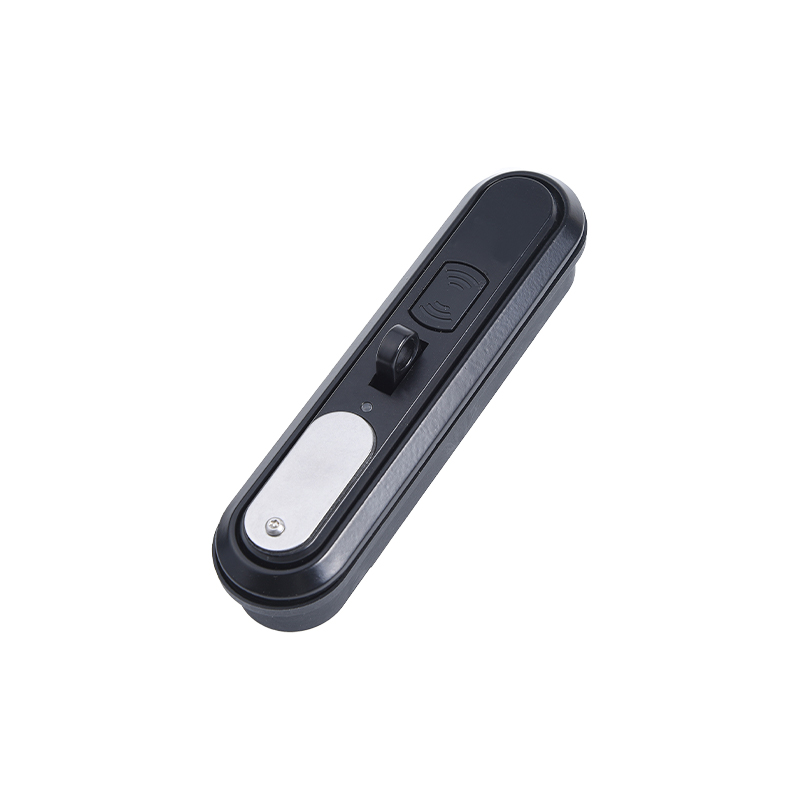
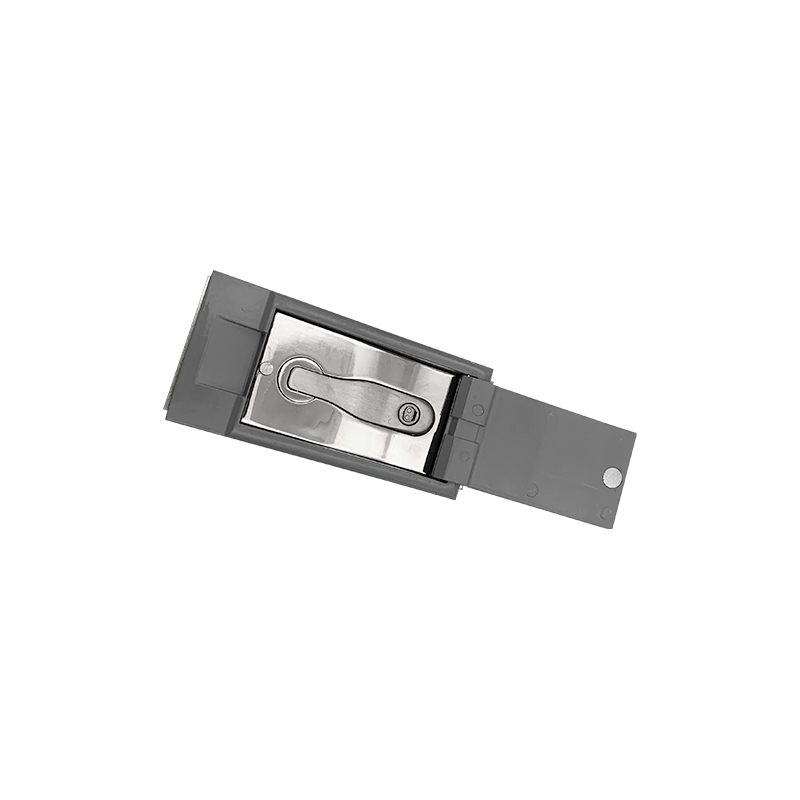
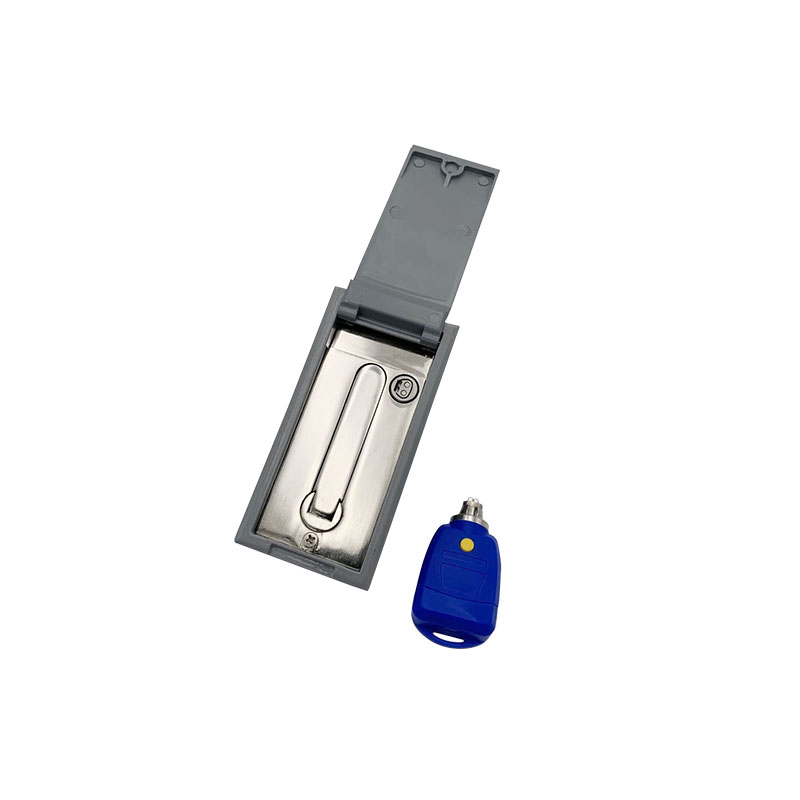
In today’s industrial environments, electrical cabinets play a crucial role in housing essential electrical components. These cabinets not only safeguard sensitive electrical systems but also ensure that industrial operations run smoothly and safely. As electrical systems grow more complex and are used in environments with higher risks, the need for secure access to these systems becomes more critical. This is where electrical cabinet locks come into play.
At Ningbo Oubao Technology Co., Ltd., we specialize in providing high-quality electrical cabinet locks designed to meet the demanding requirements of industrial environments. With years of experience in the field of electrical security, we understand the importance of choosing the right lock system to prevent unauthorized access to electrical cabinets and ensure overall safety.
Why Are Electrical Cabinet Locks Essential for Industrial Safety?
Electrical cabinets house critical components such as circuit breakers, fuses, and distribution panels, often carrying high voltage or controlling hazardous machinery. Unauthorized access to these systems can lead to dangerous situations such as electrical shocks, equipment damage, or even catastrophic fires. Therefore, electrical cabinet locks are essential for preventing unauthorized individuals from tampering with or accessing these components.
For instance, in a factory setting, an employee or a visitor without proper training and authorization could inadvertently create an unsafe situation by tampering with the electrical cabinet. A simple mistake, such as touching live wires or improperly adjusting the settings, could lead to fatal accidents. Electrical cabinet locks act as the first line of defense against such risks.
At Ningbo Oubao Technology Co., Ltd., we offer a variety of locking solutions that are designed to meet stringent safety standards. Our locks ensure that only authorized personnel can open electrical cabinets, maintaining both operational safety and compliance with industry regulations.
| Lock Type |
Key Features |
Best Used For |
Security Level |
Durability |
| Mechanical Locks |
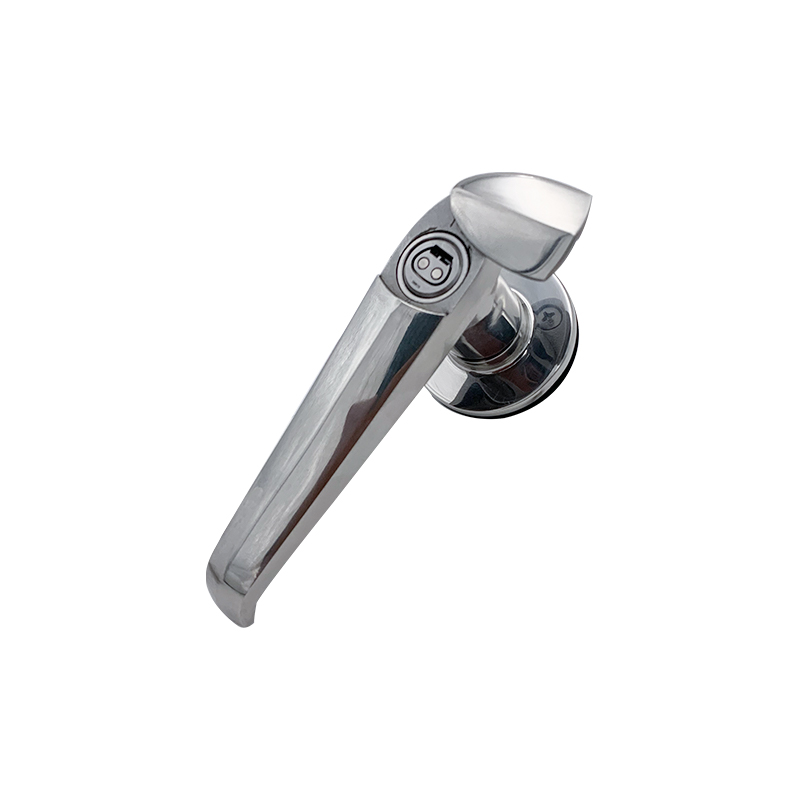
Simple key operation, cost-effective |
Small factories, low-risk environments |
Medium |
High |
| Electronic Locks |
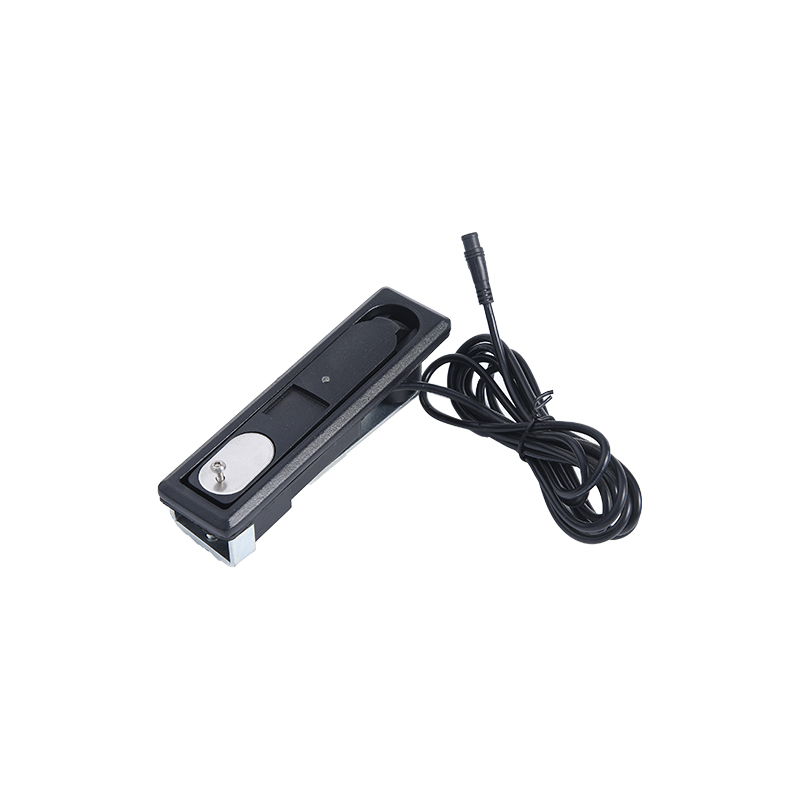
Advanced features like time-based access control, remote management |
Large facilities, high-security needs |
High |
High |
| Push-Button Locks |
No keys required, convenient access control |
Offices, non-critical areas |
Medium |
Medium |
By understanding the unique features of each type of lock, facilities can better determine which lock system suits their specific security and safety needs.
Why Is It Important to Choose the Right Electrical Cabinet Lock for Your Factory Needs?
Choosing the right electrical cabinet lock is not just about security; it’s also about compatibility with the operational and environmental conditions in which the cabinet is situated. In a factory or commercial setting, factors like frequency of access, environmental stress, and the type of personnel who will have access all play a role in the decision-making process.
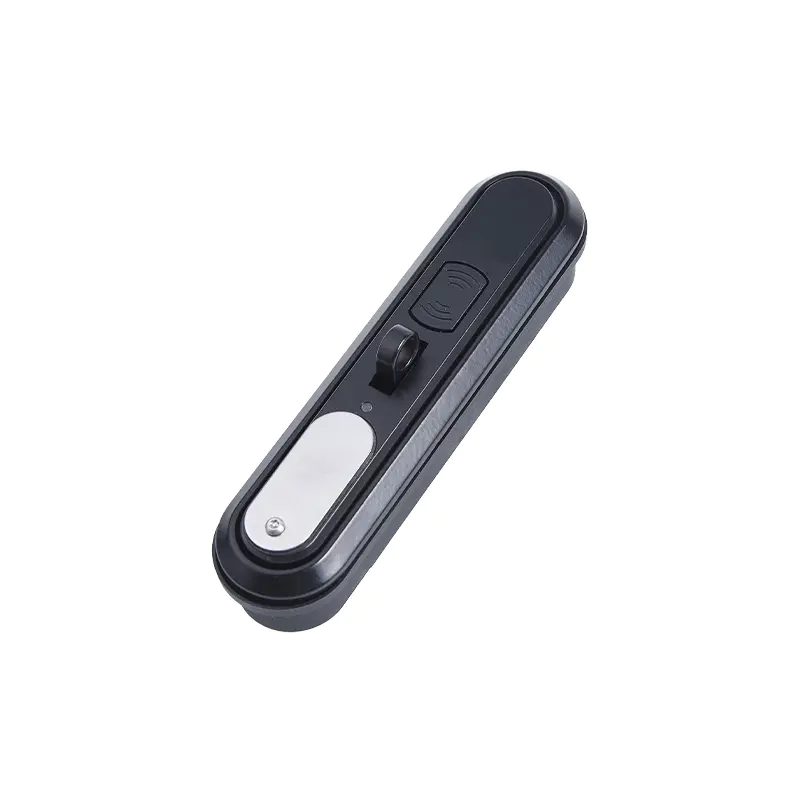
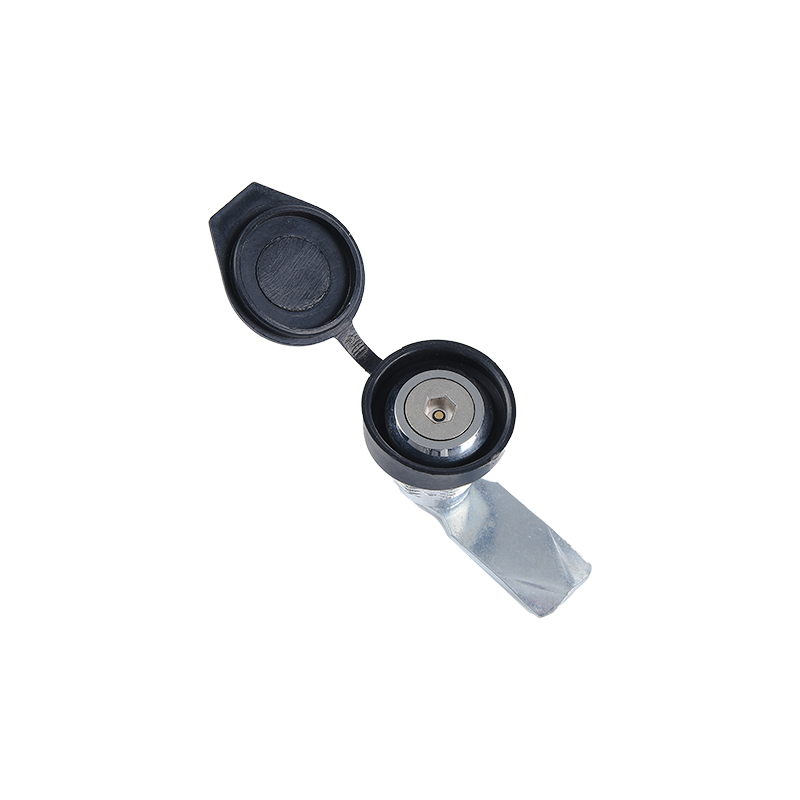
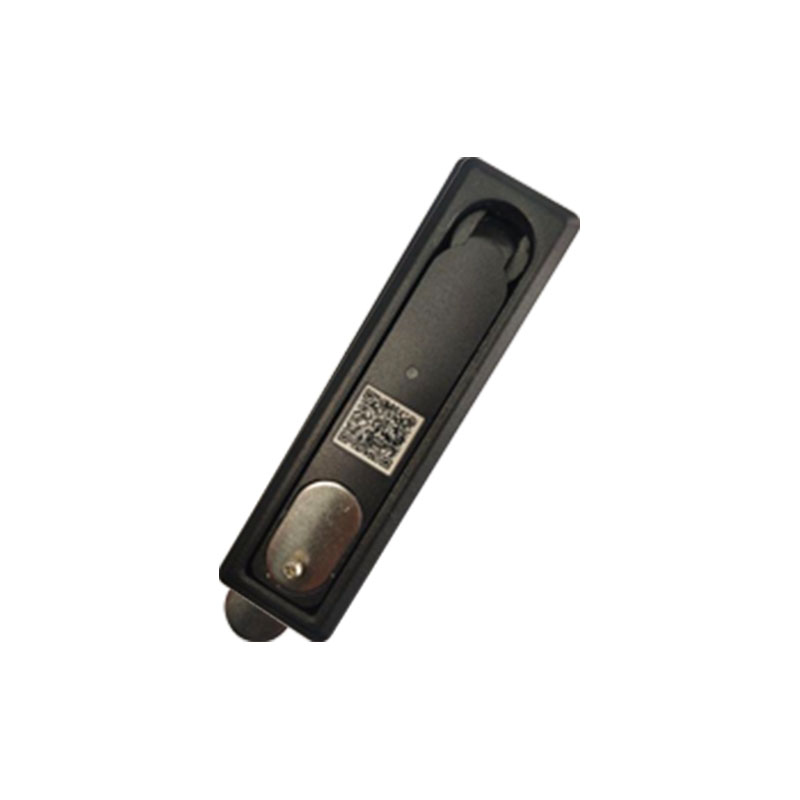
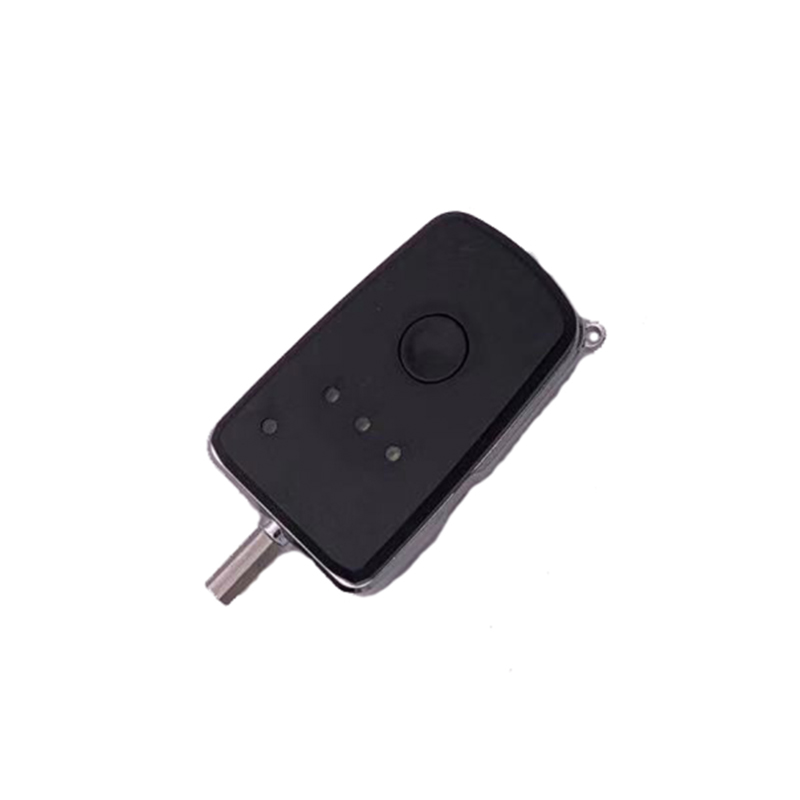
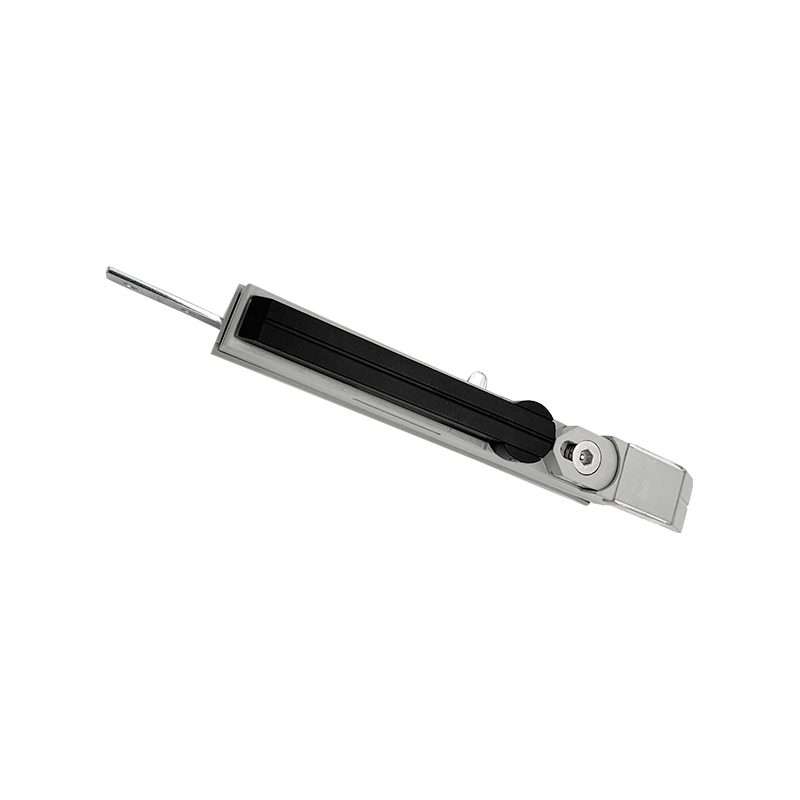
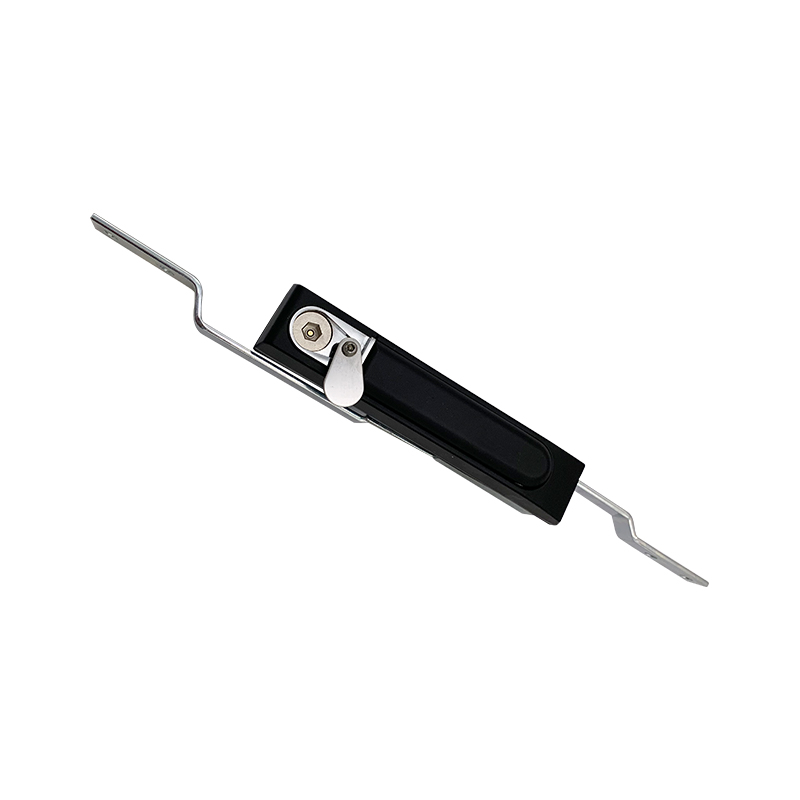
At Ningbo Oubao Technology Co., Ltd., we take pride in offering a range of electrical cabinet locks that can be customized to meet the specific needs of our clients. Whether you need locks for a small-scale factory or a large industrial complex, we provide solutions that address every possible scenario. Our locks are available in various types, including keyed locks, combination locks, electronic locks, and smart locks. Each of these options provides unique benefits, depending on your factory’s needs.
How Can You Choose the Right Electrical Cabinet Lock for Your Factory?
The first consideration when choosing the right lock system is the level of security required. In facilities dealing with sensitive electrical systems, such as data centers, laboratories, or critical infrastructure, high-security locks with features like biometric access, digital keypads, or RFID technology may be necessary. These locks help ensure that only authorized individuals have access to high-risk areas.
For general factory settings where electrical systems are not as critical, a simpler mechanical lock may suffice. These locks are often more affordable, easier to maintain, and still offer sufficient protection against unauthorized access.
Another important factor is the environmental conditions in which the lock will be used. For example, factories exposed to high levels of dust, humidity, or extreme temperatures need locks that are durable and resistant to these environmental stresses. Ningbo Oubao Technology Co., Ltd.’s locks are designed to withstand harsh environments, offering durability that meets the needs of both indoor and outdoor industrial applications.
Additionally, consider the access control needs of your factory. If your employees require frequent access to electrical cabinets, a push-button or combination lock may be the best solution. For larger facilities where access must be managed centrally, electronic locks with remote control and time-based access may be ideal.
| Lock Type |
Ideal Use Case |
Key Features |
Security Level |
Environmental Suitability |
| Mechanical Locks |
Small factories, low-risk environments |
Simple key operation, affordable |
Medium |
Moderate to High |
| Electronic Locks |
Large industrial sites, high-security areas |
Remote access, time-based control, audit trails |
High |
High |
| Smart Locks |
High-security installations, regulated industries |
Biometric access, RFID, smartphone-controlled |
Very High |
High |
By assessing the needs of your factory, including operational scale and security concerns, you can select the most appropriate lock system that enhances both safety and efficiency.
Can Electrical Cabinet Locks Contribute to Enhanced Compliance and Risk Mitigation?
Regulatory compliance is a critical concern in industries that deal with electrical systems, especially in sectors such as manufacturing, energy, and construction. Electrical safety is governed by strict standards such as OSHA (Occupational Safety and Health Administration) regulations, IEC 61439 (International Electrotechnical Commission standards), and local building codes. Electrical cabinet locks play a key role in ensuring that these standards are met and that potential risks are mitigated.
At Ningbo Oubao Technology Co., Ltd., we understand that compliance isn’t just about preventing accidents; it’s also about protecting your business from potential legal liabilities. Properly securing electrical cabinets helps your business avoid costly fines, lawsuits, and reputational damage. By using high-quality electrical cabinet locks, you demonstrate a commitment to both safety and compliance with industry regulations.
How Can Electrical Cabinet Locks Contribute to Enhanced Compliance?
Electrical cabinet locks contribute to regulatory compliance in several ways:
-
Preventing Unauthorized Access: Many safety regulations require that electrical systems be secured to prevent unauthorized access. By using robust electrical cabinet locks, facilities ensure that only qualified personnel have access to the systems, reducing the likelihood of human error or accidental exposure to electrical hazards.
-
Audit Trails and Access Logs: Electronic locks and smart locks can record access times and personnel, providing a clear audit trail that can be useful in case of safety inspections or investigations. These logs can help demonstrate compliance with regulations that require controlled access to electrical systems.
-
Reducing Liability Risks: Properly securing electrical cabinets reduces the risk of accidents caused by unauthorized tampering or exposure to live electrical components. This not only enhances safety but also reduces the likelihood of legal claims in the event of an accident.
| Lock Type |
Compliance Benefits |
Ideal Use Case |
Security Level |
| Mechanical Locks |
Basic access control, simple compliance |
Small facilities, low-security areas |
Medium |
| Electronic Locks |
Audit trails, time-based access control |
Large factories, high-risk areas |
High |
| Smart Locks |
Enhanced audit logs, access control with verification |
Regulated industries, critical infrastructure |
Very High |
Incorporating these locking systems into your electrical enclosures ensures that your business not only protects its assets but also maintains adherence to safety standards, providing peace of mind to both employees and regulators.


 language
  Español