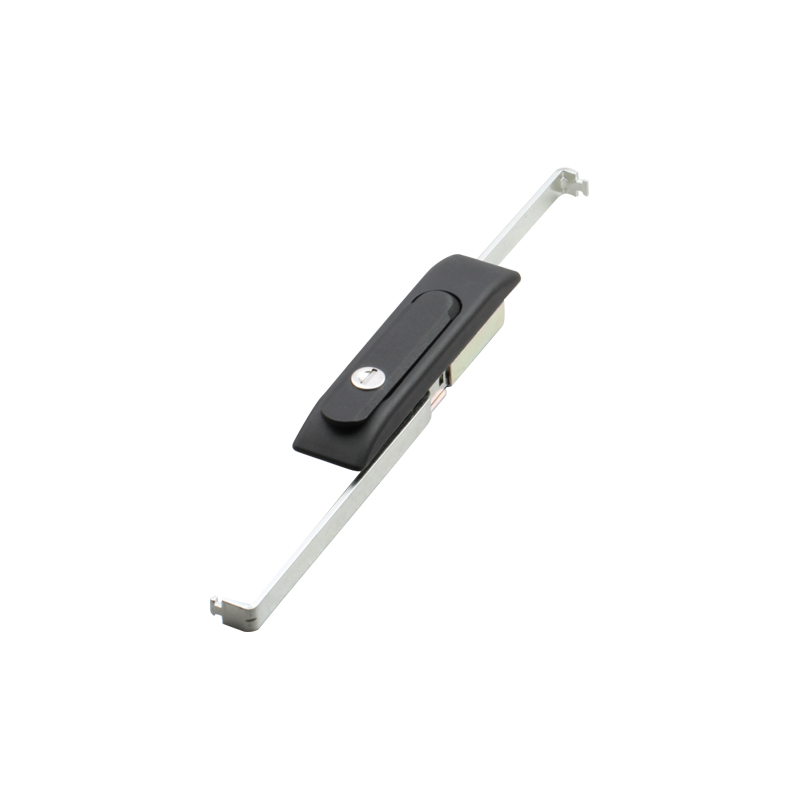
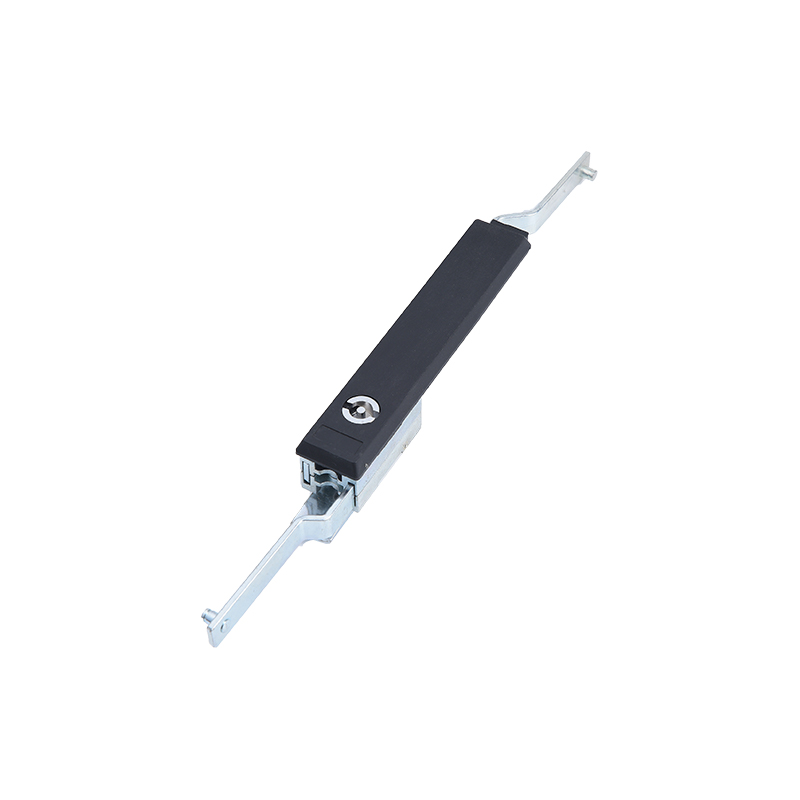
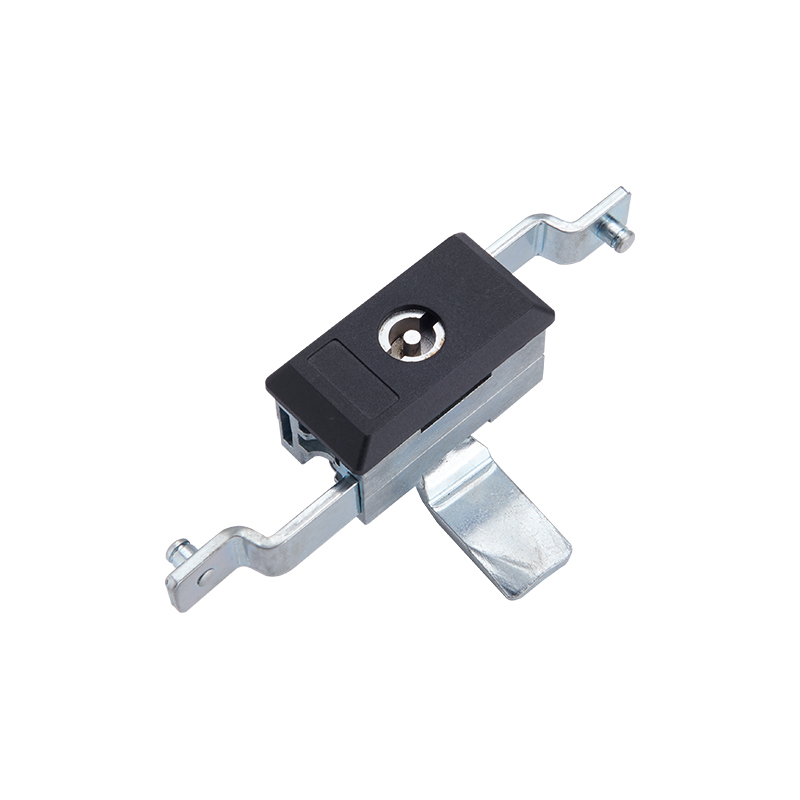
1. Overview and Function of Cabinet Connecting Rod Locks
Cabinet Connecting Rod Locks are essential safety components used in various types of furniture, cabinets, and filing cabinets. Their primary function is to connect the various parts of the cabinet system through a locking mechanism to ensure that the cabinet cannot be opened without the correct key. As a high-security lock, Cabinet Connecting Rod Locks are widely used in places that require confidentiality and theft prevention, such as office filing cabinets, hotel storage units, and bank safes.
Basic Components:
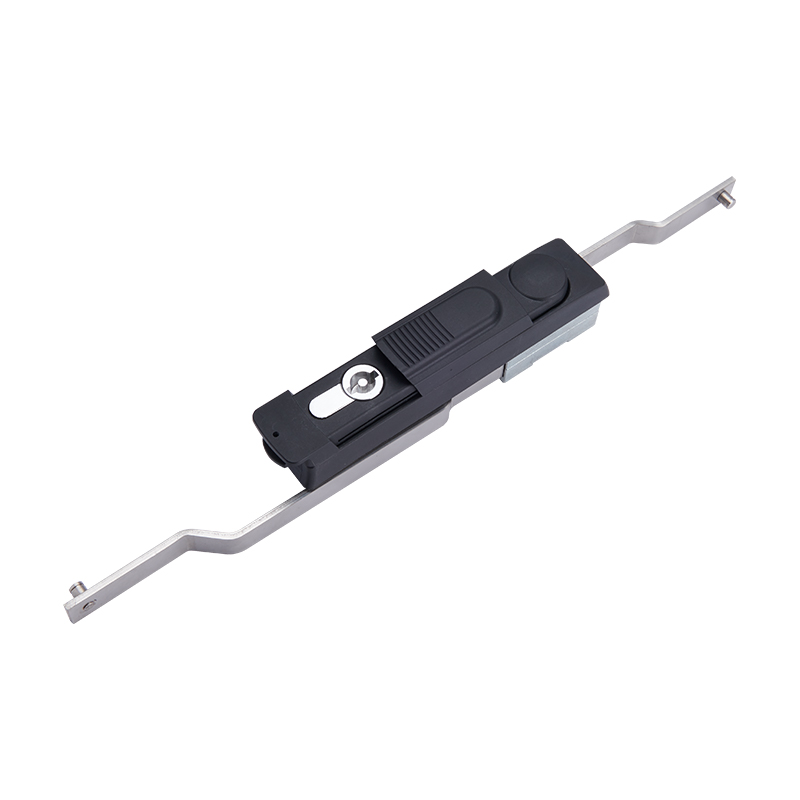
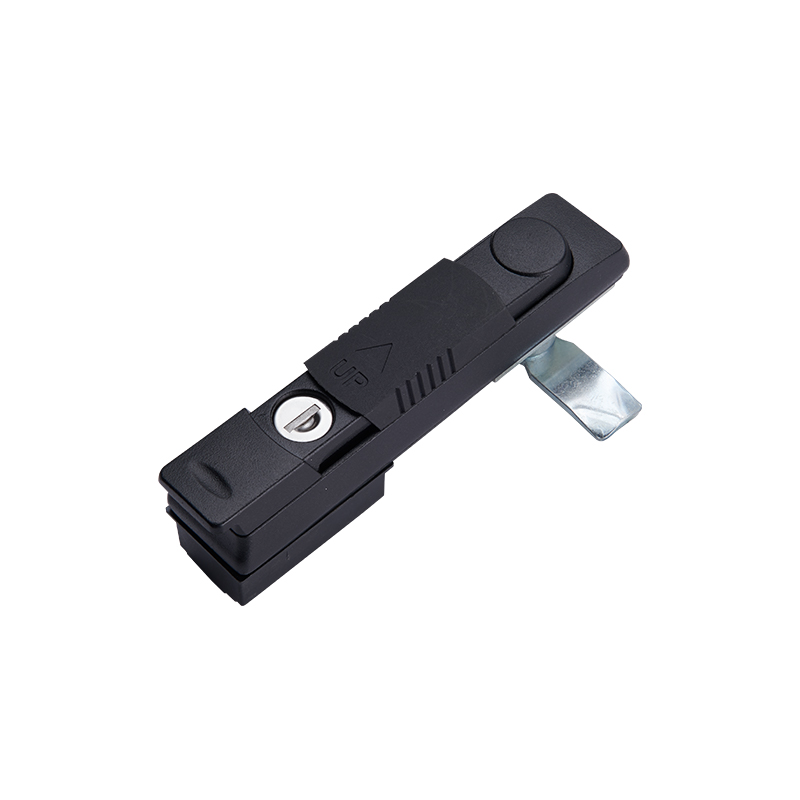
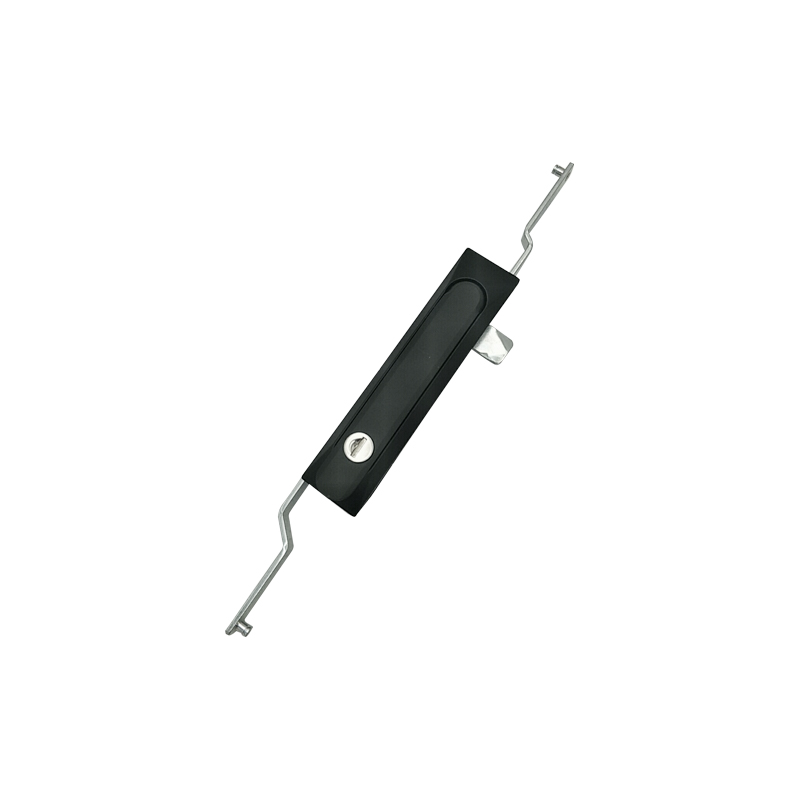
A typical Cabinet Connecting Rod Lock is composed of several key parts, including the lock core, latch, connecting rod, and outer housing. The connecting rod system connects the lock core to the internal components of the cabinet to ensure the locking function. When the correct key is inserted into the lock core, the connecting rod is activated, causing the latch to extend into the locking hole, securing the door or drawer in place.
This type of lock is designed with two major features: ease of operation and high security. It aims to provide users with convenience while minimizing the risk of unauthorized access. Due to its compact structure and durability, Cabinet Connecting Rod Locks have become the preferred solution for securing storage spaces in both commercial and residential environments.
Ningbo Oubao Technology Co., Ltd., as a leading manufacturer in the industry, has been dedicated to the development and production of various types of Cabinet Connecting Rod Locks. The company is equipped with advanced production facilities and a first-class R&D team, committed to providing high-quality and reliable security solutions for clients worldwide.
Our product range includes Cabinet Connecting Rod Locks, which are recognized for their stable performance and durability. Through continuous innovation, we have introduced several models that meet international standards and are suitable for different applications, offering clients comprehensive security protection.
Common Cabinet Connecting Rod Lock Material and Specifications
| Lock Type |
Material |
Application Area |
Theft Prevention Level |
Lock Core Type |
Security Features |
| Standard Lock |
Stainless Steel, Zinc Alloy |
Office, Commercial Cabinets |
High |
Double-sided Key |
High Security Guard |
| High Security Lock |
Alloy, Copper |
Bank Safes, Heavy-duty Cabinets |
Very High |
Multi-point Locking System |
Anti-drill, Anti-pry Design |
| Smart Lock |
ABS Plastic, Zinc Alloy |
Smart Homes, Modern Office Spaces |
Medium |
Fingerprint, Password |
Remote Locking |
2. Common Materials and Structural Design of Cabinet Connecting Rod Locks
The design and manufacturing of Cabinet Connecting Rod Locks need to consider multiple factors, with the most important being the material choice and structural design. Different usage environments and security requirements demand that the locks are durable, corrosion-resistant, and resistant to tampering. Ningbo Oubao Technology Co., Ltd. pays special attention to material selection and structural optimization when manufacturing these locks to ensure that each product meets the highest safety standards.
Common Materials:
The material selection for Cabinet Connecting Rod Locks is crucial. The most common materials include stainless steel, zinc alloy, and copper, which offer excellent corrosion resistance and high-strength durability.
- Stainless Steel: Known for its superior corrosion resistance and high strength, stainless steel is commonly used in areas that require high levels of security.
- Zinc Alloy: With excellent processing capabilities, zinc alloy is ideal for environments with standard security requirements.
- Copper: Often used in high-end lock products, copper has excellent anti-oxidation properties and durability, along with fine craftsmanship and aesthetic appeal.
Structural Design:
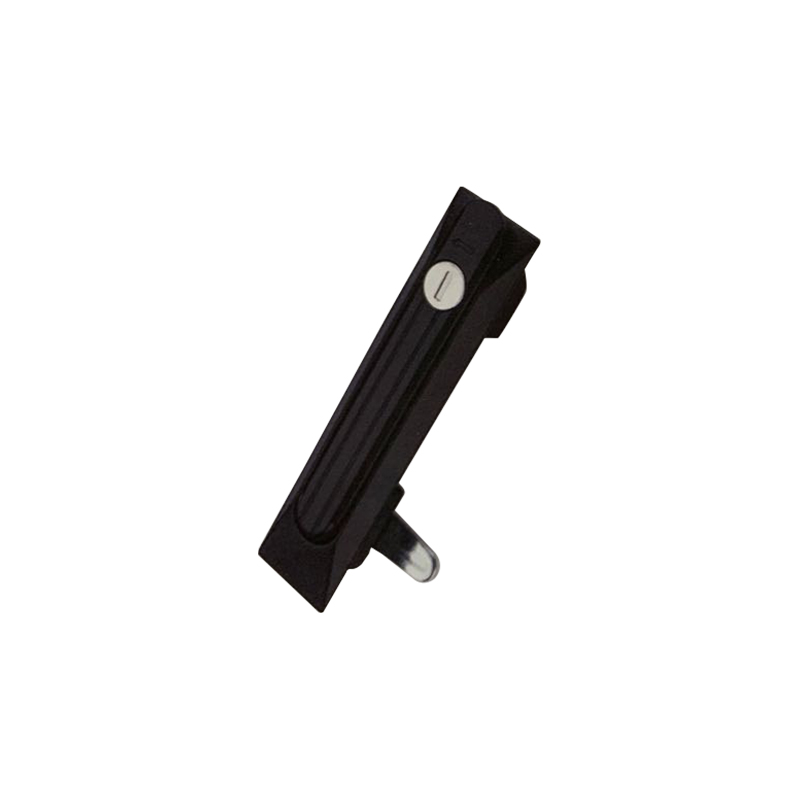
A typical Cabinet Connecting Rod Lock consists of several components: the lock core, latch, connecting rod, and outer casing.
- Lock Core: The lock core is the heart of the lock mechanism, typically featuring multiple springs and lock pins to ensure that only the authorized key can unlock it.
- Connecting Rod: The connecting rod is generally made of metal or steel wire and connects the lock core to the cabinet, enabling the locking function.
- Latch: The latch is the part of the lock that engages the cabinet’s locking hole, securing the door or drawer in place when the lock is engaged.
- Outer Casing: The outer casing serves to protect the internal components of the lock and also contributes to the aesthetic design.
Ningbo Oubao Technology Co., Ltd. focuses on “exquisite craftsmanship” in the design and production of Cabinet Connecting Rod Locks. We carefully select materials and conduct strict quality testing to ensure that every product has a long service life and offers efficient security protection.
Material and Structural Design Table
| Material |
Characteristics |
Suitable Environment |
Typical Products |
| Stainless Steel |
Corrosion-resistant, high temperature resistance |
Heavy-duty cabinets, outdoor environments |
High-security cabinet locks |
| Zinc Alloy |
Good processing capability, cost-effective |
Standard office furniture |
Mid-range protective locks |
| Copper |
Excellent anti-oxidation, aesthetic appeal |
High-end locations |
Luxury cabinet connecting rod locks |
| ABS Plastic |
Lightweight, shock-resistant |
Smart homes |
Smart cabinet locks |
3. Market Outlook and Development Trends for Cabinet Connecting Rod Locks
With the increasing global demand for security, the market for Cabinet Connecting Rod Locks is growing rapidly. Particularly with the rise of office automation, smart homes, and intelligent security systems, traditional mechanical locks are gradually transitioning to smart locks, and Cabinet Connecting Rod Locks, as a fundamental security component, have a promising future. Ningbo Oubao Technology Co., Ltd. keeps pace with industry development trends, continuously innovating and developing smart Cabinet Connecting Rod Locks to meet future demands.
Smartization Trend:
With the advent of technologies such as the Internet of Things (IoT) and Artificial Intelligence (AI), more and more traditional mechanical locks are evolving into smart locks. Smart Cabinet Connecting Rod Locks integrate features such as fingerprint recognition, password protection, and remote unlocking, offering users greater convenience and enhanced security. For instance, users can monitor the lock status in real-time via a mobile app and remotely lock or unlock their cabinets from anywhere.
Environmental Sustainability:
In response to the global focus on environmental protection and sustainability, the lock industry is undergoing changes in material selection and manufacturing processes. Ningbo Oubao Technology Co., Ltd. actively supports eco-friendly practices, using sustainable materials and green manufacturing methods to reduce energy consumption and carbon emissions during production.
Market Demand:
The demand for Cabinet Connecting Rod Locks continues to rise in various sectors, including office spaces, homes, and commercial establishments. In particular, places requiring high levels of security, such as large corporations, banks, and hotels, continue to rely on these locks. As consumers place more emphasis on security, smart lock products are becoming increasingly popular.
Ningbo Oubao Technology Co., Ltd.'s ongoing innovation in smart locks allows us to introduce products that meet market needs and become an important supplier in the global security lock industry.
Market Outlook and Trends Table
| Development Trend |
Specific Features |
Future Demand |
Company Strategy |
| Smartization |
Smart fingerprint locks, remote unlocking |
High-end offices, homes |
Increase investment in smart product development |
| Eco-friendly Materials |
Use of environmentally safe materials |
Green buildings, enterprises |
Promote eco-certified products |
| Enhanced Security |
Multi-layered protection, anti-tamper features |
Financial institutions, government agencies |
Optimize lock’s anti-tamper performance |


 language
  Español